

Cannabis Use Disorder Treatment: Breakthroughs & Strategies
Let’s face it—cannabis is riding a tidal wave of legalization and mainstream acceptance. But as laws and social attitudes catch up, a not-so-chill issue has come into focus: cannabis use disorder treatment. Why does that matter right now? Because new research, cutting-edge therapies, and shifting regulations are changing how we help those struggling with cannabis dependence. In this piece, we’ll break down the latest data, explore proven strategies, and set the record straight with facts you can trust.
Background: Evolving Attitudes, Regulations Around Cannabis Use Disorder Treatment
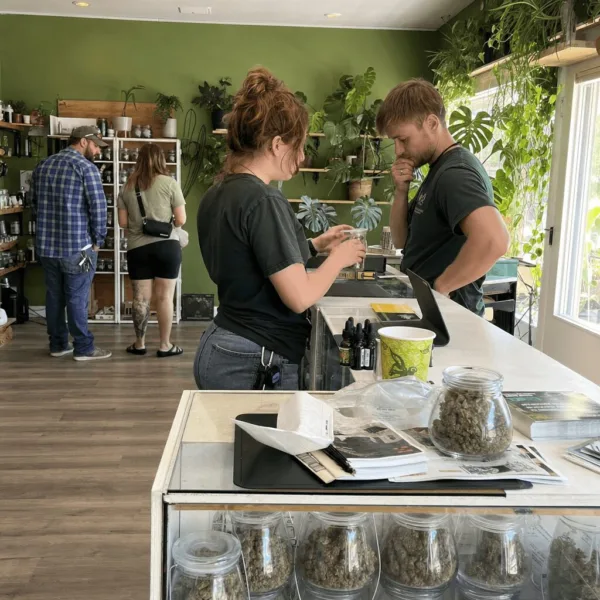
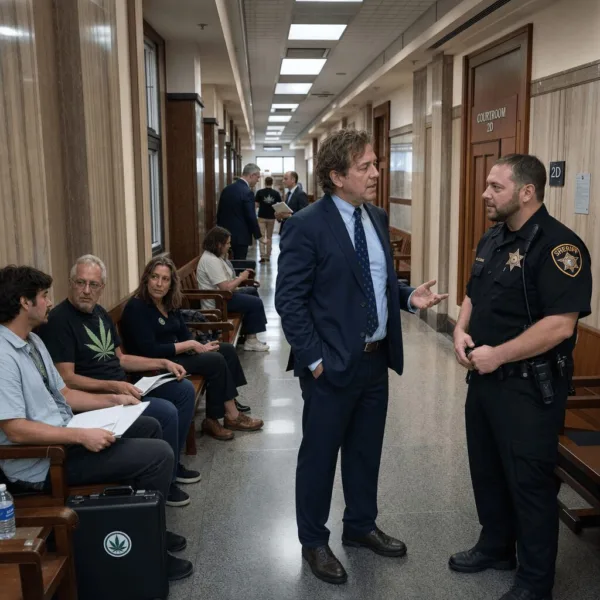
Over the past decade, cannabis has gone from back-alley stigma to sophisticated dispensaries and prime-time talk. This rapid evolution has sparked heated debates on how society handles problematic cannabis use. According to research published in NCBI, around 10% of regular cannabis users will experience some form of cannabis use disorder, pushing demand for effective, evidence-based treatment solutions even higher. The Substance Abuse and Mental Health Services Administration (SAMHSA) now recognizes cannabis use disorder as a legitimate diagnosis, further fueling innovation and funding in the treatment space. Globally, more countries are reassessing their stance, with regions from North America to Europe rolling out policies that focus on harm reduction, treatment access, and public health over punishment. Major cities are also reevaluating related enforcement, as evidenced by recent actions in Baltimore, which demonstrate society’s shifting priorities. This paradigm shift is a win for everyone seeking a nuanced, compassionate approach to cannabis use disorder treatment.
Key Developments, Emerging Issues: Cannabis Use Disorder Treatment in the Spotlight
According to a compelling article by Dove Medical Press, cannabis use disorder treatment is reshaping the conversation about responsible consumption. Researchers point to increased cases in regions with legal markets, prompting calls for adaptive care models. In 2023, several major health organizations, like the CDC, highlighted the risk of dependence for some users, underscoring the importance of new intervention strategies. Clinics across states like Colorado and California report a steady uptick in demand for behavioral counseling and pharmacological support for cannabis use disorder treatment. Notably, emerging therapies such as cognitive-behavioral therapy and motivational enhancement therapy are showing real promise. Meanwhile, the evolving legal framework around taxation in places like Pine City, as revealed by recent developments in unlicensed cannabis tax cases, shows how regulatory gaps intersect with public health responses. At the same time, initiatives are popping up to train healthcare professionals in recognizing and managing cannabis-specific dependence. Finally, data-driven telehealth programs in the addiction field signal a huge step toward accessible, stigma-free support for those in need.
Expert Analysis, Innovative Approaches & Cannabis Community Perspectives
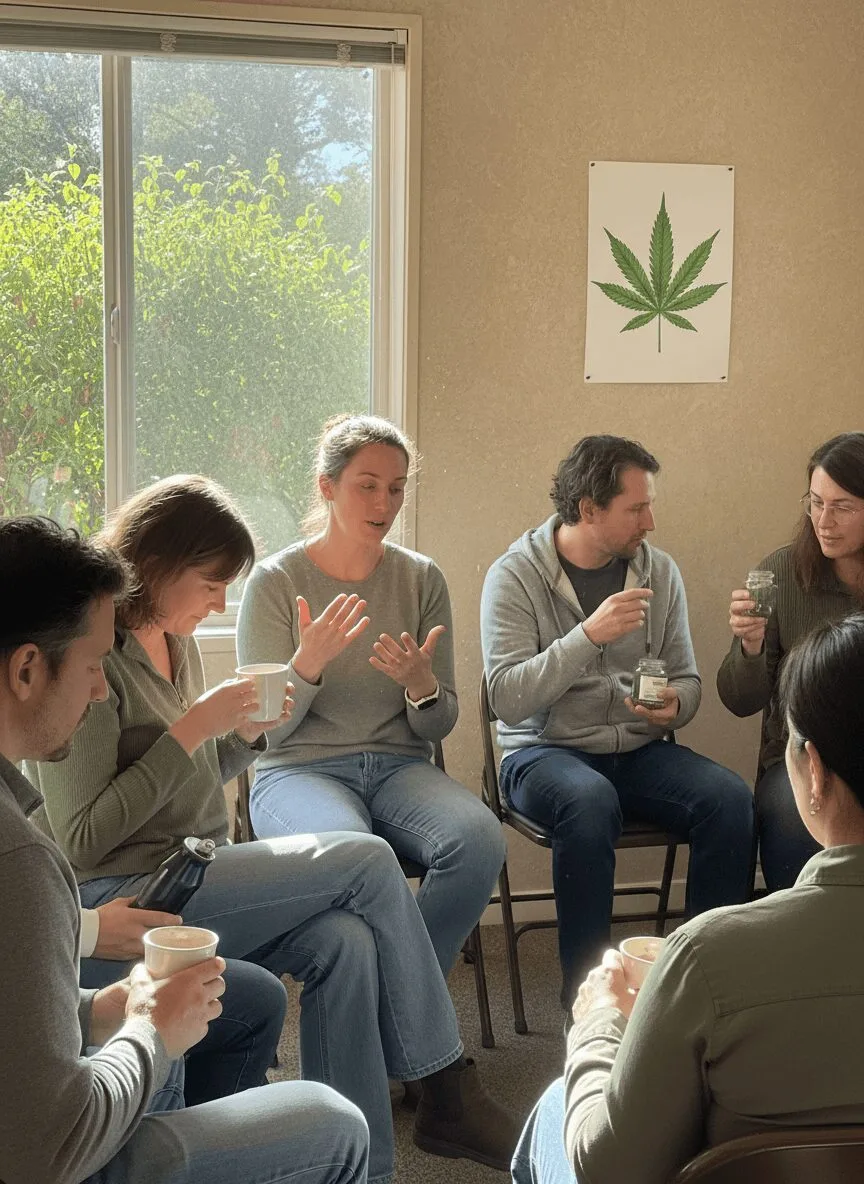
The explosion of interest in cannabis use disorder treatment is actually a sign of cannabis’s maturity as an industry. While skeptics like to focus on potential negatives, the cannabis community isn’t shying away from the data, instead, we are tackling it head-on. As longtime cannabis policy advocate Paul Armentano of NORML says, “The best way to reduce harm is through honest education, access to resources, and reducing the stigma of seeking help.” This open-minded approach has inspired developers to refine existing models and integrate personalized, holistic care—think mindfulness training, nutrition, and peer support. As the National Institute on Drug Abuse reports, collaboration between healthcare providers, social services, and cannabis organizations has sparked bold, patient-centered programs. And as local debates in places like Grand Rapids show, both healthcare and the cannabis community have a stake in fair, accessible cannabis regulations. These efforts not only address dependency but also highlight responsible use and wellness, a key part of cannabis culture. With every breakthrough, the line between abstinence-only models and realistic, harm-reduction strategies gets blurrier, and that’s a positive development for everyone.
Future Outlook & Conclusion: Building a Smarter, Healthier Cannabis Scene
The future of cannabis use disorder treatment is bright—and a little greener than before. New therapies, innovative clinics, and shifting laws prove that the industry is invested in supporting its community, not sweeping tough issues under the rug. As noted by Leafly health correspondents, social acceptance continues to rise, making it easier for individuals to seek help without fear or shame. With ongoing investment in research and fresh energy in public health, expect even more sophisticated, compassionate approaches to cannabis use disorder treatment. One thing is clear: The cannabis world isn’t stuck in the past—we’re rational, informed, and all about real solutions for real people. Cheers to progress, compassion, and a healthier future for everyone!
Originally reported by: dovepress.com