




Baltimore cannabis kingpin indictment: Shocking new details
Right now, everyone’s talking about the Baltimore cannabis kingpin indictment, and for good reason. With cannabis laws relaxing in some places while tightening in others, this high-profile case spotlights just how complicated the industry has become. Whether you’re a patient, a business owner, or just a casual observer, the fall-out from a 136-pound cannabis seizure in Baltimore County sends ripples far beyond Maryland. In this breakdown, we’ll cover what led to the indictment, what it means for the cannabis scene, and how industry insiders are reacting.
Legal and Social Backdrop: Evolving Cannabis Policies in Baltimore
Maryland, like much of the US, finds itself at a crossroads between old-school prohibition and modern regulation. Recreational cannabis became legal for adults in July 2023, a major leap driven by shifting public opinion and supported by organizations like NORML. Yet, federal prohibition and patchwork state rules still create headaches for everyone involved. Legal operators deal with intensive oversight, licensing barriers, and persistent stigma, while legacy players face serious legal risks. Baltimore, in particular, sits at the heart of this debate, as highlighted by recent reports in The Baltimore Sun. Just as the Pine City unlicensed tax evasion case revealed unique market gaps, turf wars between new, regulated businesses and traditional underground operations continue, and every major arrest, like the Baltimore cannabis kingpin indictment, shines a light on unresolved contradictions in policy and enforcement.
The Raid: What Really Happened With the Baltimore Cannabis Kingpin Indictment?
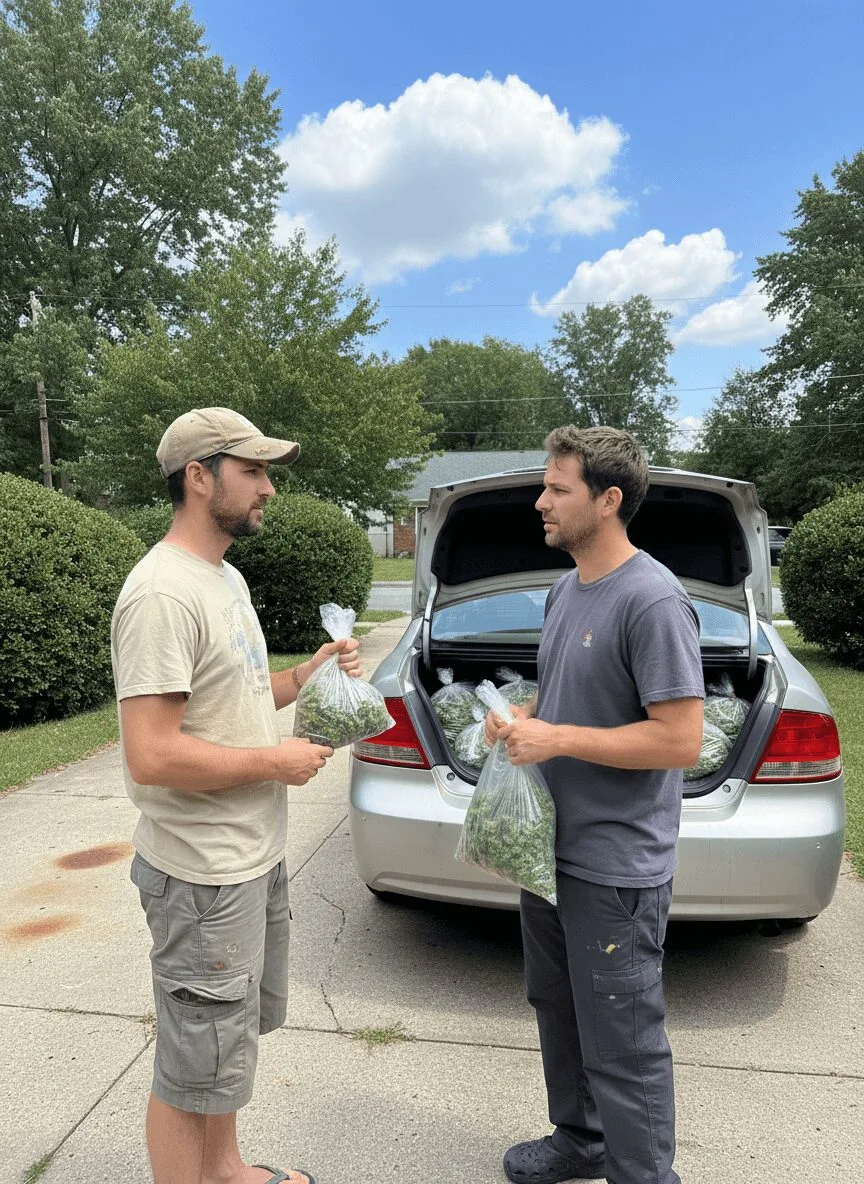
On March 31, 2026, Baltimore County authorities announced a major arrest that’s now hit national headlines, the Baltimore cannabis kingpin indictment. According to The Baltimore Sun, authorities raided a suburban garage, uncovering approximately 136 pounds of cannabis in large, clear bags, alongside distribution paraphernalia. Two men were arrested, both described as key figures in what officials called an “extensive trafficking network.” Prosecutors brought multiple felony charges, from possession with intent to distribute to maintaining a common nuisance, which is considered serious business when cannabis remains illegal at the federal level. The indictment, filed in Baltimore County Circuit Court, lays out a detailed series of alleged transactions stretching several months. Authorities claim this was not a mom-and-pop grow op, but a professionally-run enterprise moving serious weight across county lines, a scenario that echoes recent national busts that highlight the risks and stir larger debates, and could trigger both state and federal scrutiny.
Expert Insights: Impact and the Bigger Cannabis Industry Picture
The Baltimore cannabis kingpin indictment isn’t just one more news flash. It highlights the tangled mess created by inconsistent cannabis laws. As Leafly analyst David Downs puts it, “Cases like this underline the real need for consistent, thoughtful regulation. You can’t expect legacy operators to disappear overnight just because legalization happened.” The raid could push Baltimore’s gray-market actors further underground, or, more optimistically, incentivize more players to go legit if pathways open up. What stands out is the disconnect: while Maryland’s legal cannabis industry booms, netting record-setting revenues, enforcement against unlicensed distribution remains aggressive. Controversies like those seen in other cities’ cannabis licensing debates remind us just how fraught access and equity can be. For patients and small businesses, these cases raise doubts: is the market really accessible, or just another high-stakes gamble?
Forward Focus: Lessons and Hope for Baltimore’s Cannabis Scene
What comes next after the Baltimore cannabis kingpin indictment? For Maryland and the rest of the country, it’s a powerful reminder that progress comes with potholes. Criminalization still haunts those on the margins, even as the legal market attracts new entrepreneurs and investors. Advocates argue for better license access, social equity programs, and smarter enforcement that targets crimes with victims rather than peaceful cannabis sales. With more states poised to legalize, and with Congress actually talking about reform, hope is real. According to Marijuana Moment, ongoing pushes for federal reform may finally bridge these gaps. Ultimately, this moment is both cautionary tale and rallying cry for a fairer, more inclusive industry—one where nobody risks everything just for a bag of weed.
Originally reported by: baltimoresun.com


1 Comment
Pingback: Cannabis Use Disorder Treatment: Breakthroughs & Strategies