


Let’s get real—discussing cannabis use Black Americans today isn’t just about rolling one and zoning out. With cannabis policy evolving quicker than a new sneaker drop, the stakes are high for urban Black communities. cannabis use Black Americans isn’t some background issue; it’s front-and-center in conversations about equity, public health, and the fight against systemic disparities. Recent studies bring fresh context, nuanced realities, and sometimes uncomfortable truths about how urban life, gun violence, and cannabis habits intertwine. We’re breaking it down: why these findings matter, what’s shifting, and what it means for the movement.
Understanding the Cannabis Landscape for Black Americans
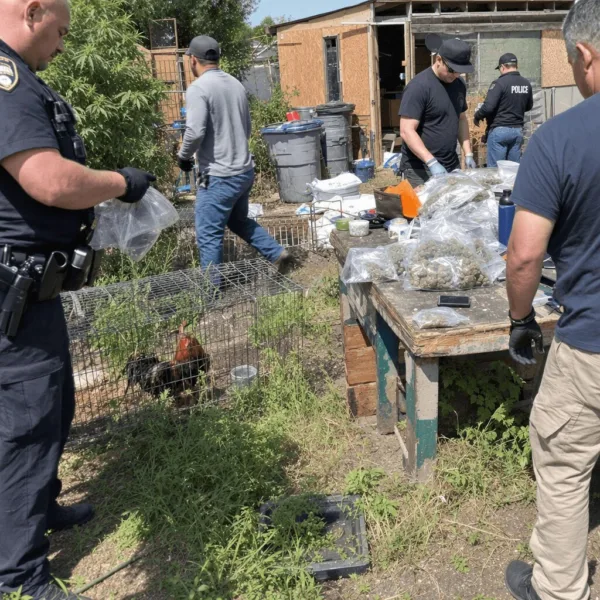
Dive into the tapestry of history and you’ll see cannabis use Black Americans has been shaped by unequal laws, targeted enforcement, and shifting market dynamics. For decades, harsh drug policies disproportionately penalized Black communities, fueling incarceration crises and social stigma. The ACLU highlights how, in many states, Black Americans are nearly four times as likely to be arrested for cannabis compared to whites, despite similar usage rates. The way prohibition policies have extended to situations such as prison visitor marijuana arrests further underscores the intensity of cannabis-related scrutiny for this community. Now, as legalization and decriminalization sweep the nation, old wounds are finally up for policy healing. States like Illinois and New York have baked equity provisions into their cannabis regulations, aiming to level the playing field, but issues such as systemic bias, unequal business access, and how best to support those most affected by past “war on drugs” laws continue to spark debate. The latest research steps right into the epicenter of these policy battles.
Key Developments: New Research Reveals Unequal Realities
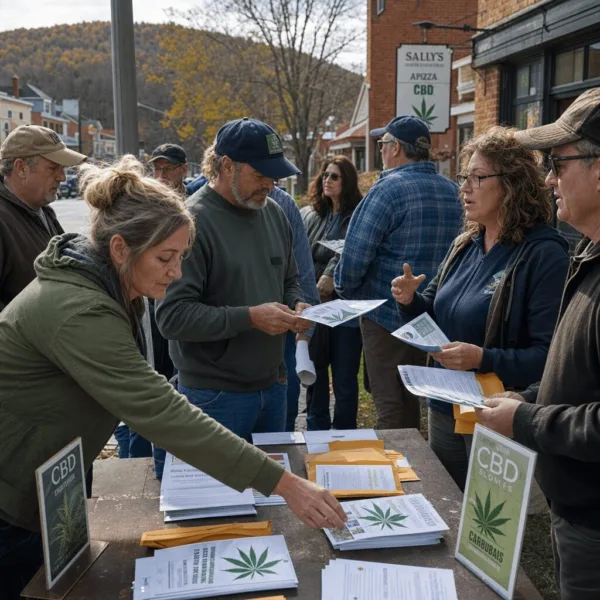
According to a recent study published by News-Medical.Net, experts at the University of Illinois at Chicago and Rush University Medical Center analyzed cannabis use among Black Americans living in inner-city neighborhoods marked by high gun violence. Their findings show how cannabis use is shaped by survival, coping, and community context, going far beyond stereotypes. The research involved men and women aged 18 to 33, recruited directly from city streets and community organizations in Chicago. Many participants reported using cannabis not just for recreation but to manage trauma, stress, and the daily fear linked to ongoing violence. Notably, the study reveals how cannabis is often a social connector, used to foster trust and decompress in group settings. Community-driven rituals like these highlight the vital, often hidden, role that cannabis use Black Americans plays in urban mental health. As legal ambiguity persists, particularly for street-involved users facing law enforcement scrutiny despite state legalization, policy gaps remain. According to Illinois regulatory documents, equity measures are improving access—but not all communities feel the impact equally. This is especially notable as local laws vary, similar to how places like Florida have enacted public marijuana smoking bans, which affect who can safely participate in legal cannabis markets.
Community Voices: Analysis & Pro-Cannabis Perspective
Let’s not sugarcoat it, the implications of this research extend far past the joint itself. Experts agree: if policymakers want genuine equity, they must address broader socioeconomic realities shaping cannabis use Black Americans. “Cannabis use isn’t a public health problem in isolation, it’s a reflection of community stresses and the resources (or lack thereof) available to cope,” notes Dr. Carl Hart, prominent neuroscientist and author, who regularly advocates for data-driven drug policies (Dr. Carl Hart). Industry insiders see this as a watershed moment—it goes beyond decriminalization and focuses on dismantling legacy harms with sustainable, community-based solutions. Social equity license programs from California to New York are foundational, but stakeholders agree these efforts need more real economic investment and targeted reinvestment in neighborhoods most impacted by prohibition. Publications like Leafly and the Marijuana Moment emphasize the need for accessible expungement pathways, funding, and consistent harm reduction strategies. As attitudes shift, especially among the younger generation, opposition to outdated stigmas is growing alongside new protections—highlighting the need for initiatives prioritizing health and fair treatment, like ongoing campaigns to ensure rights and workplace protections for cannabis workers.
Looking Forward: Equity, Opportunity, and Community Health
The path forward? Brighter than your favorite sativa strain on a summer day. As legalization advances and social equity becomes more than buzzwords, the industry is poised to make real changes. Groups like the Minority Cannabis Business Association are pushing for concrete policy fixes and grassroots investment, building bridges between industry leaders and urban neighborhoods. While challenges persist—especially for street-identified users featured in the recent study—momentum is building for fair access and restorative justice. Long term, the hope is that research like this will fuel policy rooted in compassion and evidence, ensuring cannabis use Black Americans means empowerment and healing, not risk or stigma. One thing’s for sure: these conversations, and community voices, are shaping the future of America’s cannabis story.
Originally reported by: news-medical.net