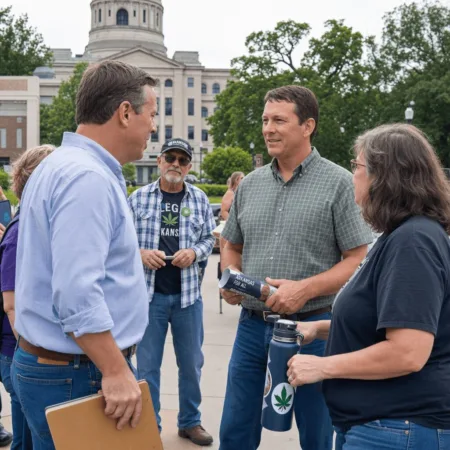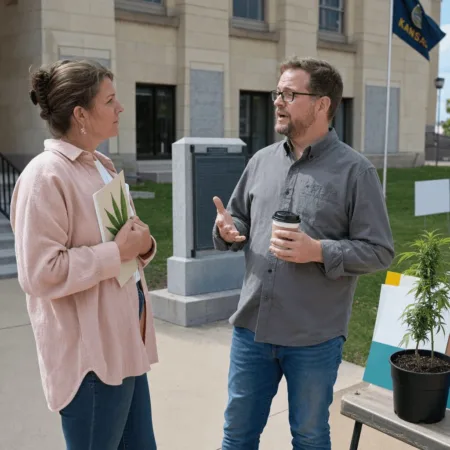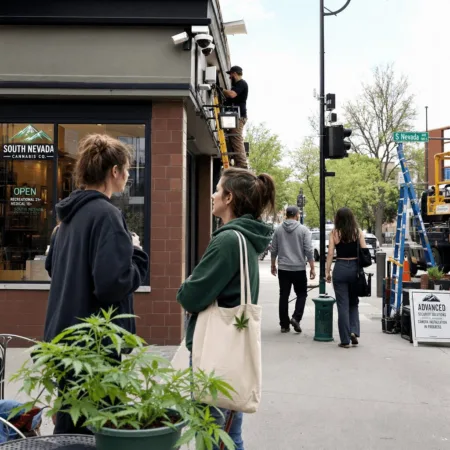



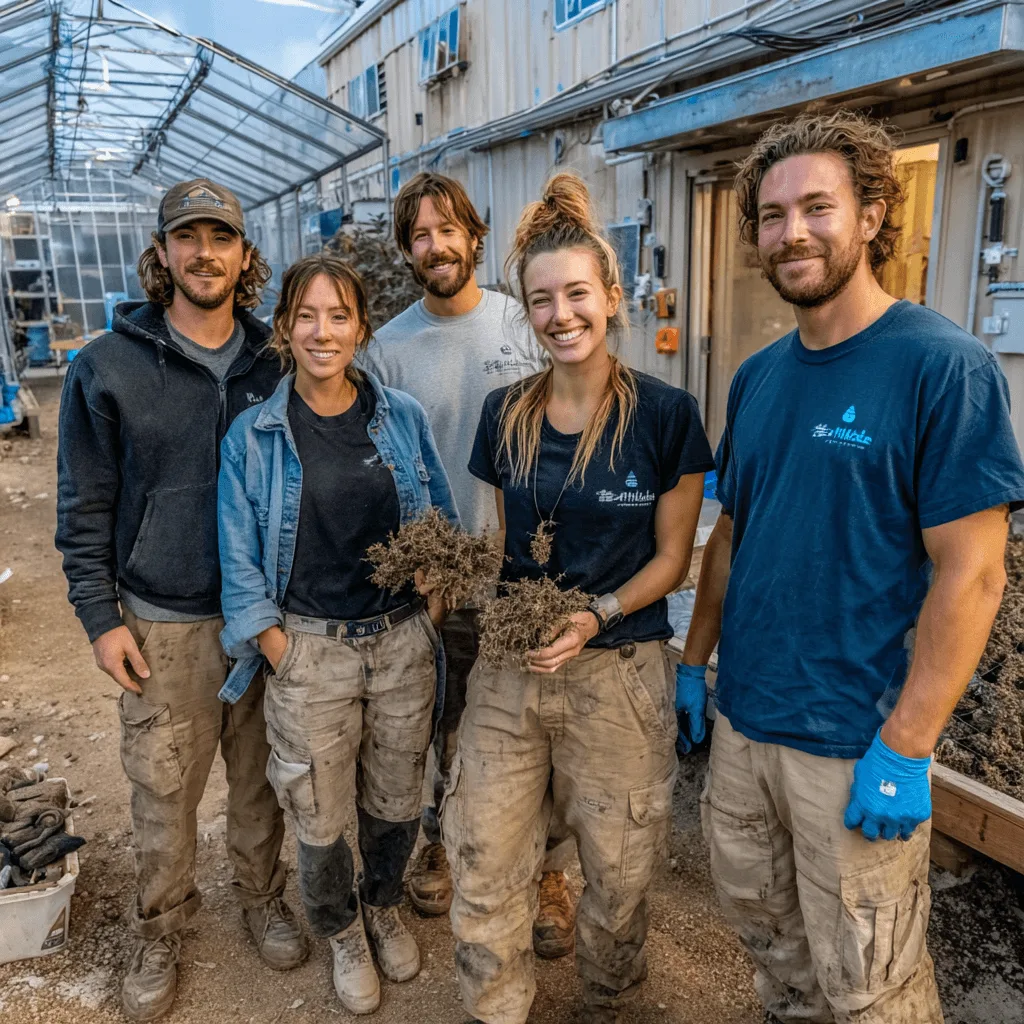
The landscape of cannabis labor is changing fast—and the cannabis unionization federal law is right at the center. With more states legalizing marijuana and cannabis jobs booming, workers are quietly asking big questions about their rights. What does federal law mean for unionizing in a still-federally-illegal industry? Buckle up as we break down what’s happening, why it matters now, and what every cannabis worker needs to know about navigating this new territory.
The Complex Regulatory Backdrop of Cannabis Unionization Federal Law
Cannabis sits at an awkward intersection: federally, marijuana is still classified as a Schedule I substance under the Controlled Substances Act (CSA), while over half of U.S. states have legalized or decriminalized its use. This split creates unique headaches for labor rights efforts. Most union drives in the U.S. rely on the National Labor Relations Act (NLRA), which is enforced by the National Labor Relations Board (NLRB). But the NLRA technically does not protect workers whose employment is illegal under federal law. So even as cannabis companies like Curaleaf and Green Thumb keep expanding, their workers—budtenders, growers, trimmers—face a legal gray zone if they try to organize. As noted in Leafly’s industry labor deep-dive, the social movement for better conditions isn’t waiting for perfect legal clarity, as seen in places where local dispensaries are sparking community change in Michigan. Unions like the United Food and Commercial Workers (UFCW) are pushing for collective bargaining agreements, and some states have created their own protections to fill the federal gaps. But confusion reigns, especially when federal and state laws clash. For many workers, this is more than legal jargon, it’s about real livelihood and power on the job.
Recent Developments: Key Legal Challenges and Events
Let’s get into the weeds (pun intended): The issue of cannabis unionization federal law took center stage in recent National Labor Relations Board (NLRB) cases. In 2023, workers at companies like Curaleaf and Green Thumb Industries sought union representation through the UFCW. Some employers, banking on federal prohibition, argued their cannabis workers shouldn’t be covered by the NLRA since their jobs involve a federally illegal product. According to MJBizDaily, the NLRB has consistently held that cannabis businesses, even though federally illegal, are still covered by labor protections, so long as their business activities fall under commerce that affects interstate trade. In May 2022, the Board restated this stance after several appeals in Illinois, providing clarity that workers could, in fact, engage in collective bargaining despite federal law. However, legal ambiguity remains. In some states that have legalized cannabis, including California and New York, union protection for cannabis workers is written into state law—sometimes even requiring cannabis licensees to accept labor peace agreements as a condition of doing business. Discussions about expanding retail access are reminiscent of how city-level dispensary regulations shape who gets to participate in this green economy. But the specter of a federal crackdown hovers, and the recent push by federal lawmakers for marijuana re-scheduling adds more fuel to the debate. Meanwhile, union campaigns continue to grow. According to Marijuana Moment, dozens of new unionization drives launched in 2023 alone, with mixed success but growing worker confidence.
Expert Analysis & Pro-Cannabis Perspective
The cannabis unionization federal law debate isn’t just a legal tangle, it’s a litmus test for how America treats new industries born from prohibition. The move by NLRB to protect cannabis worker rights, even in the face of contradictory federal law, is a big win for both labor and the maturing cannabis sector. Industry analysts from Leafly point out that unionized cannabis shops see lower turnover, more safety protocols, and worker-driven innovation. Bethany Moore, spokesperson for the National Cannabis Industry Association (NCIA), says: “Workers want what every American worker wants: a fair deal, protections, and a voice in their workplace. The rapid growth of cannabis should benefit everyone, not just investors.” That’s echoed by the UFCW, whose members in Illinois, New Jersey, and California are negotiating not just for pay, but for stable scheduling, on-the-job training, and a safer workplace—factors that drive mature industries. Even as federal prohibition persists, developments like the New Jersey Cannabis Loan Program are empowering entrepreneurs and workers in the industry to innovate and thrive. The blunt truth is, federal prohibition isn’t stopping cannabis unionization. Instead, it’s forcing the industry to innovate new models of labor protection. With the Biden administration signaling possible movement toward rescheduling, hope for clear federal union rights is growing. Still, as Leafly’s experts note, every win at the state level, like mandatory labor peace agreements, keeps the momentum rolling, regardless of federal foot-dragging.
Looking Forward: Cannabis Unionization Federal Law and the Future
If there’s one thing cannabis history teaches us, it’s that progress never comes easy, but it marches on. The cannabis unionization federal law debate may be messy, but it’s also a sign of a maturing industry finding its soul. Workers are making their voices heard, and forward-thinking companies see labor peace as good business. According to industry reports from NCIA, more states are building explicit worker protections into new cannabis laws, anticipating federal change. With possible federal rescheduling and new regulatory frameworks on the horizon, the optimism for national labor clarity grows. One thing is clear: The cannabis world is done waiting for permission—it’s already building fairer workplaces, one shop at a time. As the public continues to support legalization and labor protections, the future looks greener—for both workers and the entire cannabis community.
Originally reported by: mjbizdaily.com