





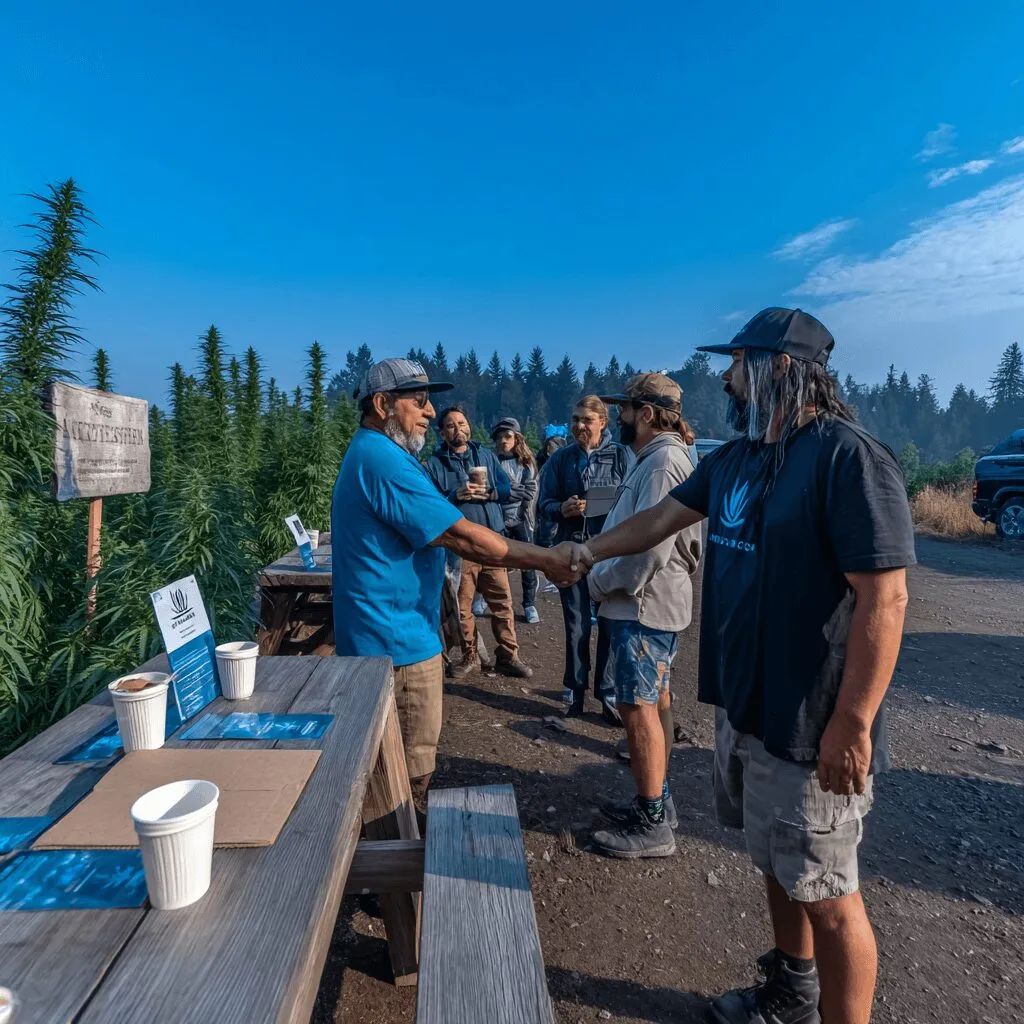
Cannabis Tribal Agreement: Red Lake Band Breaks New Ground
The latest cannabis tribal agreement is making serious waves across Indian Country and the mainstream cannabis industry. As legal reforms spark fresh opportunities, Native American tribes like the Red Lake Band are stepping up with visionary partnerships that could change the landscape forever. This moment matters—tribal sovereignty meets modern business, and the way forward could set new standards for community-led innovation, economic independence, and social justice. Here’s why this headline-grabbing deal deserves every industry watcher’s full attention.
Regulatory Landscape, Tribal Sovereignty, and the Push for Cannabis Equity
Cannabis policy is evolving at warp speed, but tribal nations stand apart, carving their own regulatory paths. As outlined by the National Congress of American Indians, federal law recognizes tribal sovereignty, allowing self-governance. However, cannabis occupies a legal twilight zone. While Congress and state legislatures moderate prohibition, tribal lands technically remain subject to federal law. Recent debates have shown how federal marijuana policy impacts the science and business of cannabis, as illustrated in the national conversation over reclassification and its effects on research and finance. Despite this, many tribes see cannabis as a game-changer for local economic development and public health, drawing on promising market data from sources like NCSL and New Frontier Data. With rising social acceptance, and after generations of exclusion from mainstream commerce, tribes now have a historic opportunity to lead in business, regulation, and social equity, especially as states like New Jersey continue to update their hemp regulation legislation.
Red Lake Band’s Cannabis Tribal Agreement: The Key Facts
On June 10, 2024, the Red Lake Band of Chippewa Indians officially signed a cannabis tribal agreement with the state of Minnesota, as reported by Walker MN News. This breakthrough marks one of the state’s first formal partnerships between a sovereign tribal government and Minnesota’s Office of Cannabis Management. The cooperative agreement grants the Red Lake Band significant licensing autonomy over their cannabis cultivation, retail sales, and regulatory oversight, respecting both tribal jurisdiction and state compliance mechanisms. In the context of evolving marijuana law, this development stands out alongside significant policy moves such as the recent executive order on marijuana rescheduling. What’s especially significant? The Red Lake Band will operate dispensaries, participate in cross-jurisdictional commerce, and set safety, environmental, and labor standards, tailored for their community needs. The agreement also establishes data-sharing frameworks and joint enforcement protocols. This pact wasn’t inked overnight; it’s the result of months of coordinated negotiation, legal work, and advocacy from leaders on both sides. Across the country, efforts to reform state cannabis laws, as in Tennessee, highlight the momentum for pioneering cannabis tribal agreements throughout Indian Country.
Expert Analysis: Why the Cannabis Tribal Agreement Matters
This isn’t just another business headline, it’s a tectonic industry shift. For Native communities, these partnerships open the doors to self-determination and economic revival, all while honoring unique cultural perspectives. According to MJBizDaily, tribal cannabis ventures are poised to outpace many traditional operators due to sovereign regulatory agility. Cannabis legal advisor Rachel Wright sums it up: “The cannabis tribal agreement empowers tribes to create wealth, jobs, and healthier communities, while also correcting long-standing injustices of the drug war era.” Aligning state law and tribal sovereignty is tricky business, but it’s the kind of challenge industry leaders crave. Rows of flourishing plants aren’t just a new cash crop, they symbolize resilience and long-overdue economic diversification. This evolving landscape is further shaped by innovative research into product safety and quality, which is shaking up the industry and setting new standards.
Looking Forward: Next Steps for Tribal Cannabis Agreements—and the Industry
The future is bright for tribal cannabis partnerships. As more tribes forge their own paths—drawing on early successes like Red Lake—the industry can expect smarter regulation, social investment, and community-driven innovation. According to Leafly, these tribal agreements are already shaping how states and major players approach equity and local control. Expect to see deeper collaborations, creative policy, and even more trailblazing headlines. Change is in the air, and as the cannabis tribal agreement model spreads, it’s crystal clear: tribes are at the forefront of a new era—where culture, commerce, and justice finally intertwine. Watch this space, because it’s only the beginning.
Originally reported by: walkermn.com



1 Comment
Pingback: Nevada cannabis future: What Trump's reclassification means