




Discover Cannabis Store Clustering Effects That Matter
The cannabis industry is moving at lightning speed, and questions about how dispensaries cluster together are hotter than ever. With new neighborhoods popping up full of cannabis retailers, understanding the cannabis store clustering effects is more than just an academic exercise—it’s key to shaping vibrant, responsible urban spaces. Whether you’re a policy-maker, shop owner, or just a curious citizen, these effects touch everything from economics to community vibes. In this article, we’ll break down why this trend matters right now, highlight recent legal shifts, and uncover what it all means for the future of cannabis commerce.
Setting the Scene: Regulatory, Market, and Social Realities
The cannabis store clustering effects didn’t happen overnight. As legalization has spread quickly from coast to coast, state and local governments have each taken unique regulatory approaches. For example, state regulatory frameworks shape where dispensaries can open, how close they can be to schools or each other, and what kind of licenses are available. In some cities, local zoning laws create retail clusters, much like what we’ve seen in California and Massachusetts, where municipalities may reduce cannabis business red tape in certain districts to boost local economies. In Michigan, recent changes echo how small towns have seen big changes from new marijuana votes, highlighting the far-reaching implications of regulatory decisions. Social attitudes have also shifted dramatically. According to recent Pew Research Center polls, over 88% of Americans support some form of cannabis legalization. With such broad acceptance, clusters of dispensaries often reflect not just business strategy, but also a growing community demand. The cannabis store clustering effects flow directly from this whirlwind of regulation, social change, and real market needs.
Clustering in the Real World: Who, What, and Why Now
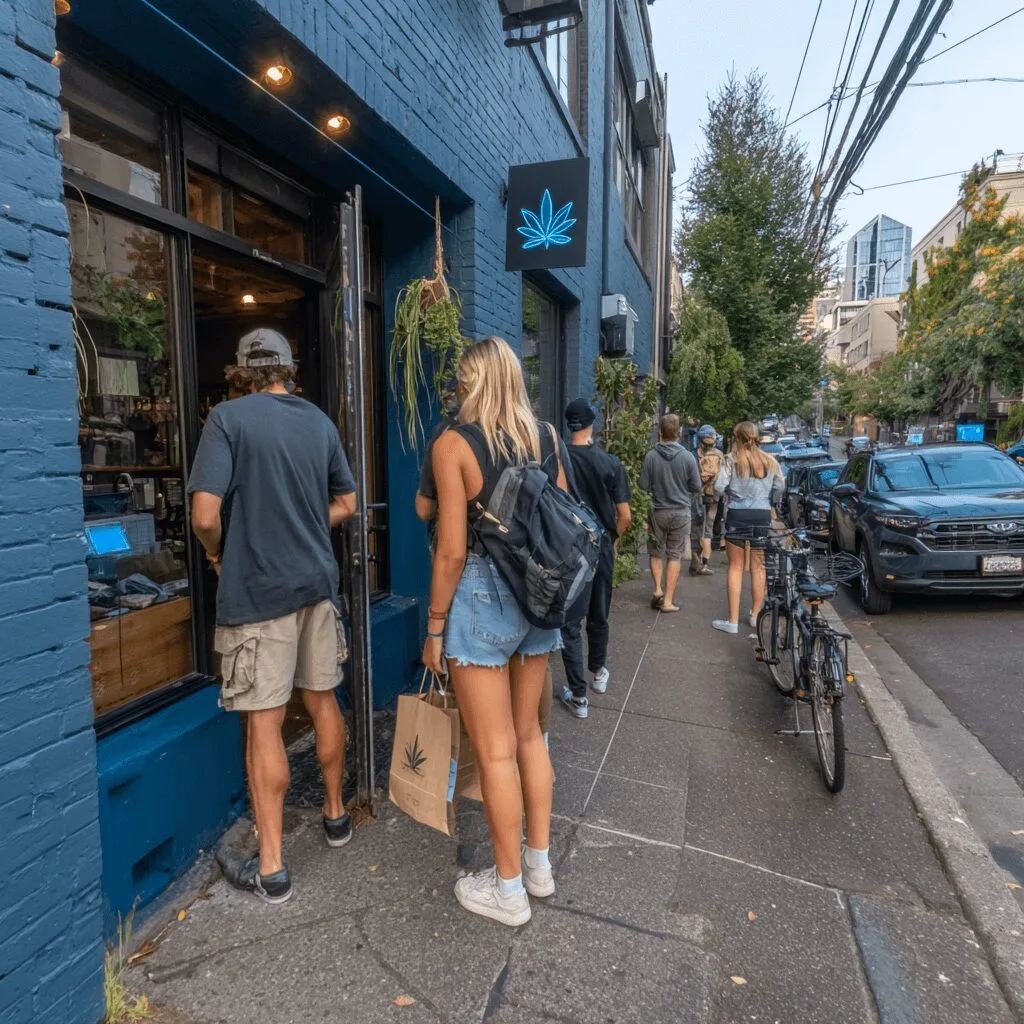
Let’s talk specifics. According to a recent ScienceDaily report, researchers have observed measurable impacts when cannabis stores locate side by side in dense urban areas. Key cities like Denver and Los Angeles have seen clusters emerge post-legalization. Most notably, since November 2022, new ordinances in Chicago have allowed more dispensaries to set up shop within walking distance of each other, resulting in highly visible retail strips. The legal side is critical here. Illinois, for example, has re-evaluated its zoning restrictions over the past year, shifting from hardline spacing minimums to a more business-friendly model. This shift in local decision-making echoes recent developments in places like Florida, where communities are directly shaping retail outcomes, as in the ongoing debate over dispensary approvals in Citrus County. The ScienceDaily article highlights that while local economies see boosts and increased tax revenues, some residents express concern about potential public safety risks and neighborhood character changes. Importantly, as reported by Marijuana Moment, there is currently no conclusive evidence tying these clusters to spikes in crime, despite popular speculation. The cannabis store clustering effects remain a subject of careful study, while cities experiment with balancing access, safety, and economic benefit.
Expert Insights: What Clustering Really Means for the Industry
When we zoom out, the cannabis store clustering effects tell a fascinating story, one with clear winners and lessons for smart policy. As Amanda Newman, editor at MJBizDaily, put it: “Retail clustering isn’t just about convenience, it’s creating shared foot traffic and fostering local economies. Smart zoning can prevent oversaturation while still supporting growth.” Several experts echo that observation, noting that clusters can strengthen consumer access, create thriving business corridors, and help normalize the plant in mainstream retail. Conversely, poorly managed clustering might raise concerns from both older residents and new entrepreneurs worried about competition. But the data points to mostly positive outcomes, especially when transparent policies and community consultation are prioritized. As more states modernize retail policies, evolving laws such as the new rules for cannabis packaging in vehicles illustrate how regulatory details continue to shape consumer safety and expectations. It’s clear: the cannabis store clustering effects should be guided by both robust evidence and authentic dialogue with local stakeholders.
Looking Ahead: Growth, Acceptance, and Smarter Policy
The future of cannabis store clustering effects looks bright—provided the industry keeps adapting and listening. Regulatory agencies like those in Colorado and Illinois are already leading the way, investing in research and policy tweaks that reflect community feedback, as detailed by NORML. The cannabis industry’s social acceptance only continues to rise, with more neighborhoods seeing dispensaries as part of normal urban life, not an oddity. As retail landscapes evolve and the science catches up, we can expect smarter, data-driven decisions that bring out the best in clustering. At the end of the day, the cannabis store clustering effects offer not just a business lesson, but a real-life example of how communities adapt, innovate, and grow with change—just like the plant itself.
Originally reported by: sciencedaily.com


1 Comment
Pingback: Cannabis Stock Decline: What’s Driving the Drop Now?