





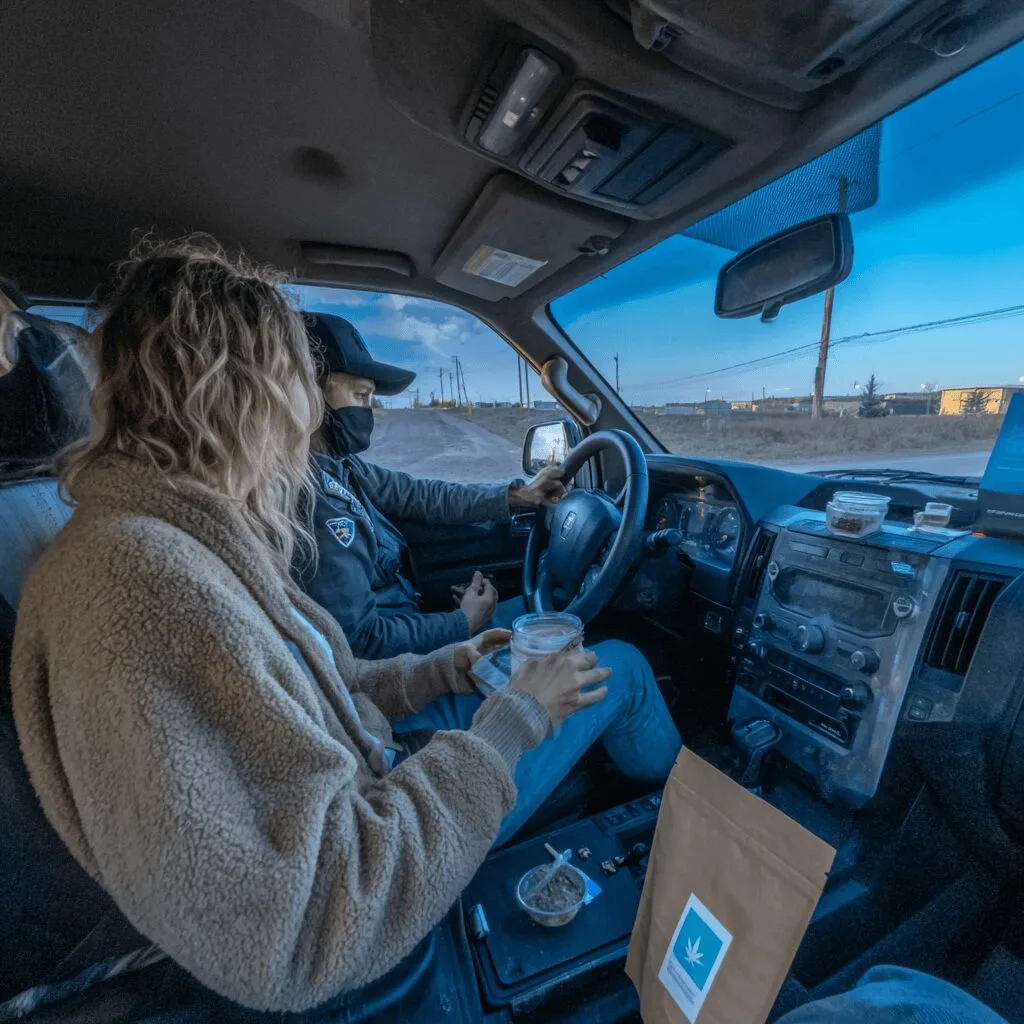
Cannabis Roadside Tests Manitoba: What Drivers Need to Know
All eyes are on cannabis roadside tests Manitoba after a recent spike in test failures—even hours after use. Manitoba’s cannabis culture is booming, but so are roadside stops and new legal scrutiny. This crucial moment is reshaping how drivers think about cannabis safety, law enforcement, and personal rights. From changing police technology to heated debates over fairness, everyone from casual tokers to daily commuters needs the facts. Get the scoop, learn your rights, and see how new developments are sparking province-wide discussion on cannabis roadside tests Manitoba.
Understanding Cannabis Roadside Tests in Manitoba: Legal, Social, and Cultural Context
The legal cannabis landscape in Manitoba changed dramatically after nationwide legalization in 2018. Recreational use is permitted for adults, but driving under the influence remains strictly prohibited. Unlike alcohol, cannabis’s lingering presence in the body creates complex challenges for law enforcement and users alike. Justice Canada details how police can demand standardized sobriety tests, saliva tests, or blood samples if impairment is suspected. While Manitoba embraces cannabis culture, police face mounting pressure to balance public safety and individual rights. This tension shapes ongoing regulatory updates, impacting both the cannabis industry and the daily lives of Manitobans, as reflected in every evolving roadside check. Recent police efforts to expand testing, especially in rural areas, underscore these shifting social and policy boundaries. This is part of a broader trend in evolving cannabis policies worldwide, as seen in places where states are proposing bold regulatory standards for THC hemp products.
Spike in Failures: Key Developments & Issues in Cannabis Roadside Tests Manitoba
Manitoba drivers are making headlines for failing roadside cannabis tests long after consumption. According to Discover Westman, police data from early 2024 reveal a notable increase in failed field sobriety tests and saliva-based THC screenings on Manitoba roads. Many drivers report failing these tests even 12-24 hours after their last session, well beyond the window of impairment. The RCMP and provincial police have rolled out expanded training for Drug Recognition Experts (DREs) and invested in approved saliva testing devices like the Dräger DrugTest 5000, in line with Health Canada protocols. Legal experts warn that these devices, while approved, often detect tiny traces of THC that may not reflect present impairment. Still, law enforcement continues strict roadside enforcement, citing a responsibility to protect all Manitobans. The controversy is driving debates at town halls and city council meetings statewide, with many calling for updated impairment standards and fairer testing procedures to better reflect actual risk, particularly as discussion around increasing rates of cannabis-related concerns continue to make headlines.
Balancing Science, Rights, and Public Safety: Expert Analysis & Insights on Cannabis Roadside Tests Manitoba
The heart of the cannabis roadside tests Manitoba debate is real-world fairness. Industry groups and scientific researchers agree, THC detection isn’t black and white. According to the National Organization for the Reform of Marijuana Laws (NORML), saliva and blood THC levels can remain elevated long after impairment wears off. Dr. Yasmin Hurd, a leading neuroscientist, notes, “THC in your system does not always mean you’re impaired behind the wheel. We need nuanced policies that protect the public without unfairly penalizing responsible cannabis consumers.” Leafly reports that training officers to spot actual impairment, not just test results, is key. Many advocates, like the Canadian Cannabis Chamber, stress that public education and science-based reforms will make roads safer and laws fairer, supporting both consumer rights and community well-being. The growing importance of financial innovation for the cannabis industry, such as how new fund models are redefining growth and industry stability, is also influencing policy discussions in Manitoba.
Where Do We Go From Here? The Future of Cannabis Roadside Tests Manitoba
As cannabis use becomes part of Manitoba’s everyday life, roadside policies must keep pace with changing science and social norms. Demand is rising for tests that actually reflect driver impairment—not just the presence of THC. Many see this as an opportunity for policy innovation and industry leadership. Community voices, legal experts, and cannabis advocates all agree: the system isn’t perfect, but positive change is possible. New research, updated protocols, and ongoing dialogue are slowly shaping a fairer approach across the province. As the Global News highlights, every step forward helps destigmatize cannabis and supports Manitoba’s journey towards safer, smarter cannabis roadside tests. Keep your eyes peeled—this story is far from over, and a new era of responsible cannabis driving is just over the horizon.
Originally reported by: discoverwestman.com

2 Comments
Pingback: CBD effects on dogs: Surprising Study Results Revealed
Pingback: Limerick cannabis house raid: Dramatic Gardaí Bust Shocks Locals