





Cannabis Reinvestment Funds: How Will $1.4M Shape Your Community?
There’s never been a better moment to talk about cannabis reinvestment funds. With states finally collecting meaningful revenues from legalized cannabis, the spotlight is on how this new money will get invested back into the very communities impacted by old drug policies. Right now, local officials have big decisions to make as funds like the recent $1.4 million allocation are up for grabs. We’ll break down what’s really at stake, how the decisions play out, and why this matters for every cannabis supporter invested in positive change.
Understanding the Roots of Cannabis Reinvestment Funds
Cannabis reinvestment funds were born from a hard truth, for decades, anti-cannabis laws hit marginalized communities hardest. As legalization sweeps the country, states like Maryland and Illinois have earmarked portions of cannabis tax revenues specifically for ‘reparative justice’—investing back into public health, job training, housing, and programs in those same communities (The New York Times reports). Regulations differ by state, but the principle stays the same, if cannabis money is flowing in legally, it shouldn’t just pad budgets. Instead, it should undo past harms and drive new opportunities for local growth. According to MJBizDaily’s coverage, such funds are shaping economic and social futures not just in Maryland, but nationwide. By focusing on cannabis reinvestment funds, communities get a real chance to control their destinies instead of leaving decisions to distant bureaucrats. The hope is that, unlike other industries that have faced similar issues, the cannabis industry—despite some shocking setbacks such as serious headline-grabbing crimes in California—can use reinvestment to create lasting change.
Key Developments: $1.4 Million Up for Grabs (But Guidance Is Thin)
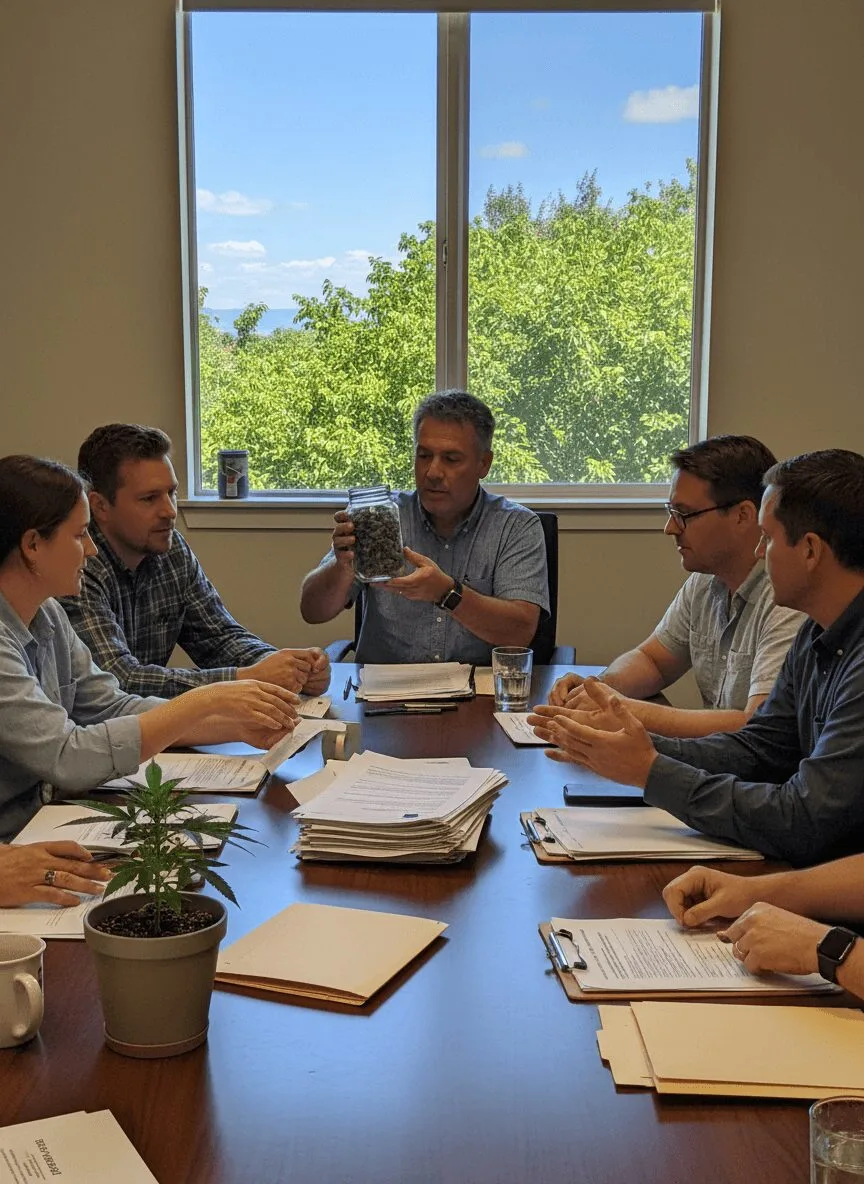
So, what’s the latest with Maryland’s cannabis reinvestment funds? According to The BayNet, St. Mary’s County received a hefty $1.4 million to allocate directly into its community. That’s the good news. The tricky part? State-level guidance on how exactly to use that money has arrived slower than a lazy Sunday in the park. While the opportunity’s huge, commissioners face a cloudy picture as they debate how to distribute funds with equity and transparency. Some of the options tossed around include public health initiatives, improving substance use treatment, youth engagement, and workforce development. These types of local debates aren’t unique to Maryland, as we’ve also seen legal and community battles play out across the country, like the recent legal battle involving dispensaries in Hampton Bays. With rules still evolving and lots of paperwork to juggle, the process brings that classic “hurry up and wait” energy familiar to anyone who’s watched a cannabis bill crawl through the system. Plus, with local input panels and advocates weighing in, every dollar matters, and every decision sets down a marker for how future funds will be handled across Maryland and beyond.
Expert Insight: Chasing Fairness and Progress with Cannabis Reinvestment Funds
In my years in the cannabis field, I’ve seen how real change requires both dollars and trust, and cannabis reinvestment funds help build both. As Leafly highlights, “community reinvestment is only impactful with transparency, accountability, and input from the people most affected” (Leafly Social Equity Report). Some skeptics worry about red tape and delays, and that’s fair. But we can’t let slow-moving bureaucracy or policy kinks snuff out the transformative power of these programs. By focusing the funds on job training, public health, and support services for those hit hardest by prohibition, officials ignite a cycle of positive change. As Dr. Kassandra Frederique, executive director at the Drug Policy Alliance, said, “Repairing harms requires investing in people and places that have been devastated, nothing less is real justice.” In the current regulatory landscape, changes in marijuana laws, such as those in the recent discussion of ADA marijuana rescheduling, will continue to influence the evolution and impact of these vital community funds. The cannabis community’s collective wisdom is already shaping policy, so commissioners should draw on that expertise, address past wrongs, and nurture new possibility at every step.
Where Next? A High Hopes Outlook for Cannabis Reinvestment Funds
We know the road to fully unlocking the promise of cannabis reinvestment funds won’t always be smooth. But the spirit in Maryland mirrors what’s happening nationwide—a demand for meaningful, equitable returns from the green economy. According to industry data presented by NORML, cannabis tax revenues are now fueling more social programs than ever. As systems mature and community voices grow louder, expect to see these funds deliver even bigger, bolder impacts. Bottom line? Cannabis reinvestment funds aren’t just about cash—they’re about healing, progress, and a future that works for everyone. Keep your eyes on how this $1.4 million shapes St. Mary’s, and know this is just one blaze in an ever-brighter national movement.
Originally reported by: thebaynet.com


