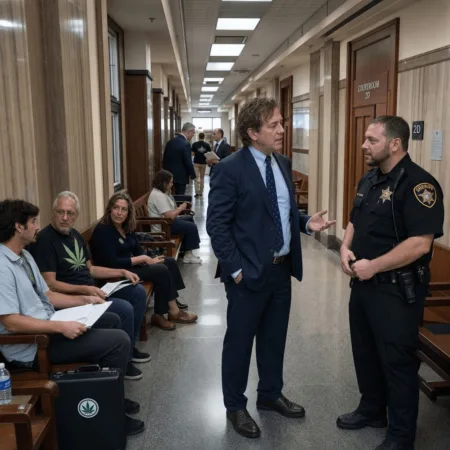
Cannabis and Psychedelics Legislation: Latest Legal Shifts
Right now, cannabis and psychedelics legislation is on everyone’s radar—from government chambers to coffee shop discussions. Recent policy shifts have sparked debates, investment surges, and new advocacy rallies. These changes aren’t just theoretical—they impact jobs, local economies, healthcare access, and even criminal justice reform. As more states reconsider old-school prohibitions, key updates on cannabis and psychedelics legislation are setting the pace for cultural—and legal—change. Here’s the rundown on what you need to know, why it matters, and what’s next.
Understanding the Landscape: Background & Context
Cannabis and psychedelics legislation has evolved from total prohibition to cautious acceptance across North America and Europe. Over the past decade, medical marijuana laws have paved the way for broader reforms. According to NORML, more than half of U.S. states have now legalized medical cannabis, and about two dozen allow recreational use. Meanwhile, psychedelics, once part of the 1960s counterculture, are gaining new traction thanks to promising research highlighted by MAPS and academic studies. Lawmakers, pushed by activists and new medical findings, are rethinking criminal penalties and re-examining therapeutic potential. At the heart of the debate: balancing social justice, public health, and economic opportunity. For communities hit hardest by the war on drugs, these legal shifts are more than just symbolic, and with ongoing medical marijuana legislation offering fresh hopes and bold moves in 2024, the landscape continues to change rapidly.
Key Developments & Issues Shaping the Conversation
This year alone, cannabis and psychedelics legislation has moved at breakneck speed. According to Law360’s latest legal roundup, major states such as Illinois, California, and Oregon have updated, or are considering amendments to, their controlled substances acts as of early June 2024. Recent weeks saw Illinois regulators approve additional cannabis dispensary licenses, further widening the state’s market and access, although ongoing licensing delays have significantly impacted both applicants and the broader industry. Meanwhile, Oregon’s pioneering move to regulate psilocybin therapy continues, even as lawmakers debate tighter controls and oversight following early program evaluations. At the federal level, Congress introduced a bipartisan bill to reschedule cannabis and streamline research. Advisory boards, legal experts, and advocacy groups such as Drug Policy Alliance have testified at hearings to clarify thorny regulatory definitions and urge for equity-focused licensing. Despite clear momentum, banking issues, interstate commerce prohibitions, and patchwork rules still slow the industry’s full potential. Notably, Law360 reports increased pushback from some local municipalities cautious about retail density or public use restrictions. The bottom line: the rules around cannabis and psychedelics legislation are changing, but the playing field is far from even.
Spotlight: Insights, Industry Reactions, and Counterpoints
It’s not all smooth sailing, and skeptics continue to point to concerns about youth access, public health, and market saturation. For instance, highly publicized incidents at schools have sparked growing concern and calls for change regarding cannabis edibles and children. Yet advocates emphasize research-backed benefits for mental health, economic growth, and social justice. As Leafly columnist Bruce Barcott notes, “The facts show legalization leads to safer products, more jobs, and actual answers to failed prohibition.” Industry leaders have cited a record-setting $30 billion U.S. cannabis market for 2023, feeding state budgets and providing expungement opportunities for past offenders. Think tanks such as the Brookings Institution argue that well-designed cannabis and psychedelics legislation can reduce criminal justice disparities, promote innovation, and funnel billions into critical public services. “Legalization, when done thoughtfully, is a force for good, not chaos,” said Dr. Ethan Russo, medical researcher and cannabinoid specialist, per Project CBD. Still, advocates urge lawmakers to address barriers like access for marginalized communities, affordability, and regulatory clarity. It’s a balancing act, pitting industry growth versus public interest protections—a debate that’s shaping up in legislative sessions coast-to-coast.
Future Outlook: What’s Next for Cannabis and Psychedelics Legislation?
Despite challenges, the trajectory for cannabis and psychedelics legislation is optimistic. Expect further state-level reforms, expanding medical research opportunities, and—if Congress keeps up—major steps toward federal normalization. Social acceptance is rising, as shown in recent Pew Research Center surveys. With each passing year, the patchwork of restrictions shrinks and innovation thrives. The coming months promise new pilot programs, community-led policymaking, and powerful stories from those benefiting most. For advocates, industry pros, and anyone curious about plant-based healing—now’s the time to stay informed, engaged, and energized for what’s next in cannabis and psychedelics legislation.
Originally reported by: law360.com