Cannabis Odor Mitigation: Solutions and Delays Explained
There’s never been a more interesting time to talk cannabis odor mitigation, especially with increased legalization putting the scent issue on full blast. As more cultivation facilities open up in local communities like Webster, Missouri, companies and neighbors are both eager for answers—and action. This development matters deeply to the cannabis industry, regulatory agencies, and anyone who wants peace between growers and their neighbors. Here, we break down current events, real solutions, and the drama behind those lingering terpene clouds.
Background: Cannabis Odor Mitigation & Regulatory Pressure in Missouri
Cannabis odor mitigation isn’t just a courtesy, it’s fast becoming a regulatory must. Missouri’s medical and recreational cannabis boom means more cultivation facilities are taking root near suburban neighborhoods. According to MJBizDaily, local and state authorities across the U.S. are increasingly fielding complaints over that signature cannabis aroma. Odor rules and permitting procedures now require businesses to implement high-grade filtration and proper exhaust systems, or risk fines and community backlash. In Missouri, the Department of Health and Senior Services has set clear guidelines to ensure that the air outside a facility remains, let’s just say, herbally neutral. This dynamic reflects a broader national conversation, as outlined in recent NORML policy updates, and reveals major market shifts as legal cannabis meets suburban life, echoing the way industry shakeups—such as the recent major dispensary sales—signal big changes in cannabis markets nationwide.
Current Events: Webster, Missouri’s Cannabis Odor Mitigation Standoff
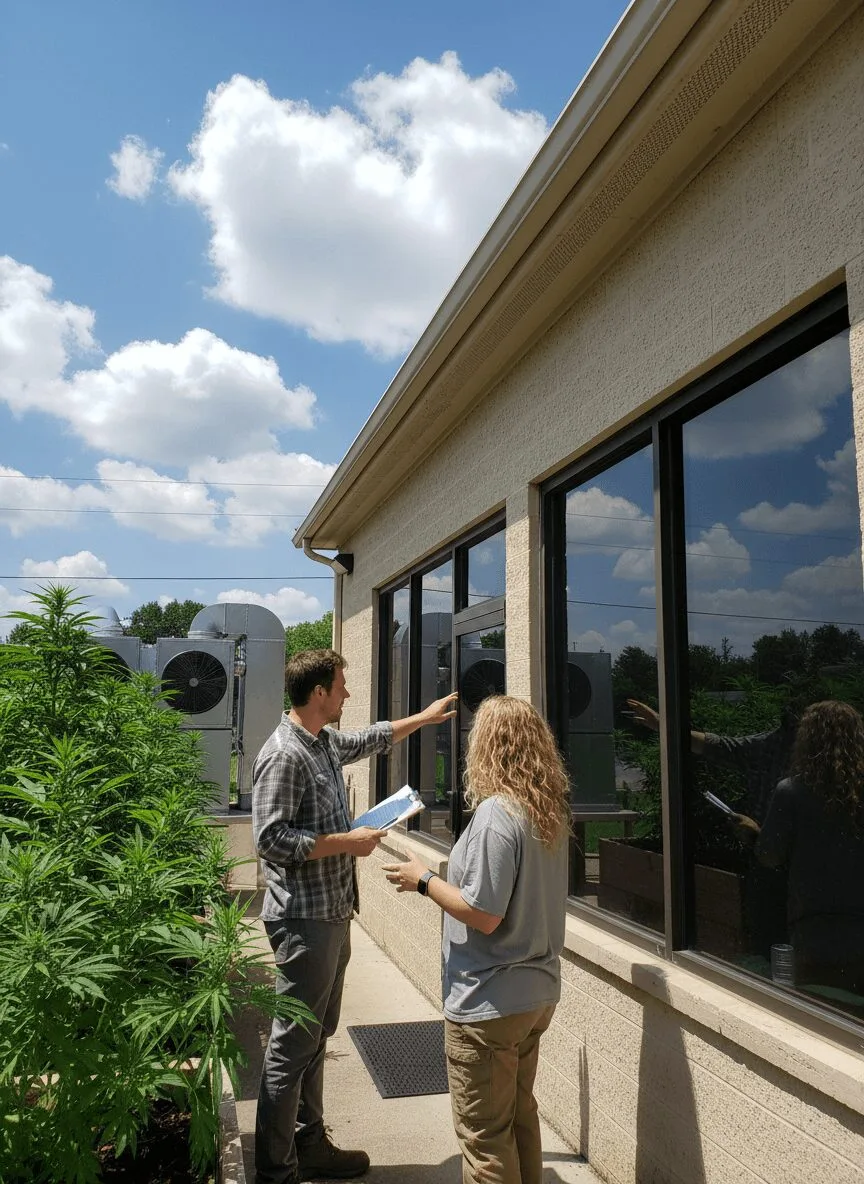
Let’s get to the heart of the matter. According to a recent article in the Webster-Kirkwood Times, the company Proper Cannabis, which operates a facility in Webster, Missouri, formally requested 90 days to address ongoing odor complaints. Locals have raised concerns with city officials, pushing for timelines and concrete mitigation steps. The company says they are coordinating with odor mitigation experts and have begun upgrading exhaust systems, including next-gen carbon scrubbers and advanced filters. This mirrors multi-state strategies—like those seen in Oklahoma cannabis regulation developments—where local debates and regulatory updates impact how swiftly solutions are put in place (recent Oklahoma voting outcomes offer a strong example of shifting public sentiment and policy). According to city meeting minutes, compliance with these new measures is being closely watched. The city council wants verifiable progress before allowing the expansion or renewal of business permits. This stand-off highlights the pressing need for practical, transparent cannabis odor mitigation strategies in municipalities everywhere.
Expert Insights: Moving from Complaints to Collaboration & Cannabis Odor Mitigation Leadership
So, why all the delays, and what separates real cannabis odor mitigation from just masking the scent? Odor control is a science, not just a whiff of incense. As industry veteran Kris Krane told Leafly, “Successful odor mitigation requires a combination of facility design, constant monitoring, and community engagement, throwing filters at the problem isn’t enough.” Industry trends confirm this: new facilities nationwide are investing in multi-stage filtration and air quality tech, often collaborating with environmental engineers. Regulatory compliance, not just neighborly vibes, drives innovation. Recent stories about legal cannabis and its evolving place in different communities—from community-centric developments in places like Vernon—continue to show how dialogue and transparency among operators and residents matter. The Proper Cannabis case adds to the pile of precedent for Missouri cannabis operations: meet the standard, or face business disruption. Across the country, states like Colorado and California have found success by mixing strong enforcement with support for facility upgrades, as reported by Marijuana Moment. For facilities, transparency and dialogue go further than defensive silence, because nobody wants another 420 standoff on city council night.
Future Outlook: Progress in Cannabis Odor Mitigation & Community Acceptance
Despite delays, local uproar over cannabis odor mitigation will ultimately spark industry growth. When facilities embrace advanced tech, community relationships improve, and positive media narratives follow. Regulatory standards will keep evolving, making it easier for cultivators to stay in compliance—so it’s smart business, not just good neighbor policy. According to Cannabis Business Times, widespread adoption of best practices in odor mitigation is already setting new industry benchmarks. As Missouri’s cannabis market matures, communities and cultivators are (mostly) learning to coexist—giving everyone a whiff of a more harmonious, greener future. The path forward? Keep the conversation open, keep innovating, and never underestimate the power of solid cannabis odor mitigation to transform both perception and reality.
Originally reported by: timesnewspapers.com