


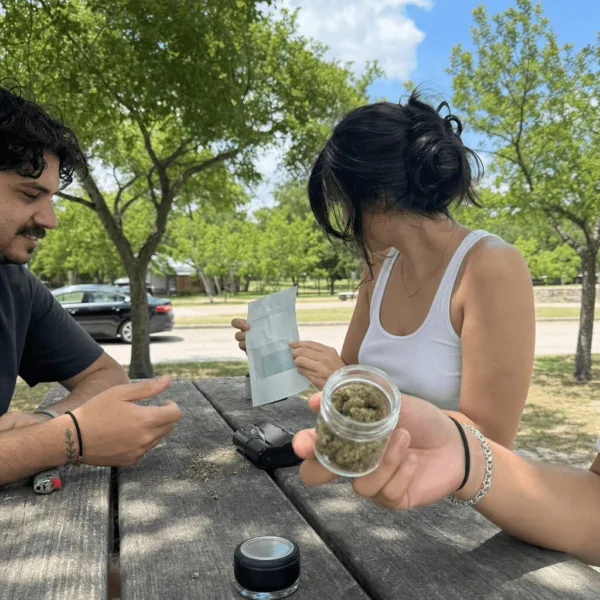



If you haven’t noticed, cannabis legalization innovation is popping up everywhere – and not just on the news ticker. As more countries and states go all-in on reform, new ideas are exploding like popcorn kernels in hot oil. Markets are reshaping themselves, research is finally getting real-world funding, and the race for industry breakthroughs is intensifying. Cannabis legalization innovation isn’t just about law books; it’s reshaping how we look at medicine, business, and culture. Dive in to see how today’s forward-thinking moves are cracking open a future filled with possibility, profit, and potential pain points too.
The Roots of Change: Legal, Social, and Market Forces Shaping Cannabis Legalization Innovation
Let’s run it back for a sec. The push for cannabis legalization innovation is tied to evolving global perspectives on drug policy, economic pressures, and public health needs. After decades in the shadows, cannabis is now viewed by economists as a revenue bonanza for governments, with Canada and multiple U.S. states leading recent progressive reforms according to NORML. Social acceptance keeps climbing as medical benefits become widely acknowledged, supported by research and testimony from organizations like the NIH. Meanwhile, regulatory barriers are slowly being dismantled, clearing the path for investments and creative entrepreneurship. Local shifts have been especially apparent in states like Tennessee where market growth is evident—recent state industry trends highlight the factors fueling this rise. But it’s not just law changes driving this cannabis legalization innovation, there’s also the growing realization that the status quo of prohibition and criminalization didn’t cut it for medicine, justice, or business. That combination is why nearly every credible analyst expects the pace of cannabis legalization innovation to keep accelerating year-over-year.
Latest Breakthroughs: Key Innovations and Essential Challenges in Legal Cannabis
Let’s get into the nitty-gritty. The Forbes report spotlights how a tidal wave of cannabis legalization innovation is unfolding in states that have gone recreational versus just medical. Researchers are seeing a dramatic uptick in patent filings connected to cannabis technology since fully legal markets opened, especially in places like California and Colorado (as seen in recent Forbes analysis). Direct comparisons show innovation, think extraction methods, new strain genetics, and delivery systems, surges with the regulatory shift from ‘medical-only’ to fully open markets. Key companies like Canopy Growth and Aurora Cannabis have scaled research budgets post-legalization, with new product development exploding. Experts cited in Forbes point out that “medical-only” frameworks tend to stifle experimentation and tech transfer, while open legal markets draw in cross-industry talent. Recent regulatory shifts, such as marijuana rescheduling news, have also played a role in signaling a new era for the industry, impacting both companies and consumers as covered in recent analysis. Still, the article also acknowledges lingering regulatory challenges, federal restrictions in the U.S. limit broader scientific and commercial collaboration, and banking limitations remain an anchor on the speed of growth.
Insightful Analysis: What Drives and Limits Cannabis Legalization Innovation?
Here’s the real talk. Legalization inherently lowers the risk, and stigma, sparking entrepreneurial fire in both startups and big established players eager to stake their claim. According to cannabis economic reports from New Frontier Data, “Whenever a new state legalizes, we see a rapid increase in both investment and patents—the proof of true cannabis legalization innovation.” Think about all the new tech you’ve seen in the last five years: vape technology, targeted edibles, and terpene-rich extracts. Still, it isn’t all sunshine and rolling papers. Old-school legal hurdles, especially U.S. federal prohibition, are slowing potential collaboration and multinational breakthroughs. Renowned cannabis scientist Dr. Ethan Russo emphasizes in the Project CBD archives, “Legalization gives scientists freedom to explore what cannabis really can do, beyond ancient stereotypes. But clashing regulations still restrict the full potential.” Recent headline events, like public reactions to notable marijuana arrest cases, are also shaping public perception—sparking conversations about reform. Bottom line: Legalization unlocks innovation, but we still need modern, unified regulation and less patchwork law to go truly global.
Where We’re Headed Next: A Bright Horizon for Cannabis Legalization Innovation
All told, the cannabis sector’s upward momentum is unstoppable right now. As more regions sign on, the world is set to witness unfiltered cannabis legalization innovation at a scale we haven’t seen before. Expect to see biopharma, sustainability, financial tech, and advanced agriculture converge in ways that blur old boundaries. The social stigma is crumbling, and lawmakers are learning from each other to create regulations that support both safety and fearless innovation. According to MJBizDaily, the next five years will see more global cooperation and a boom in medical discoveries—innovations destined to benefit communities, economies, and patients alike. Lift your head, friends: cannabis legalization innovation is shaping up to be a revolution for the books.
Originally reported by: forbes.com


1 Comment
Pingback: Marijuana Smell in Cities: How Is It Changing Urban Life?