





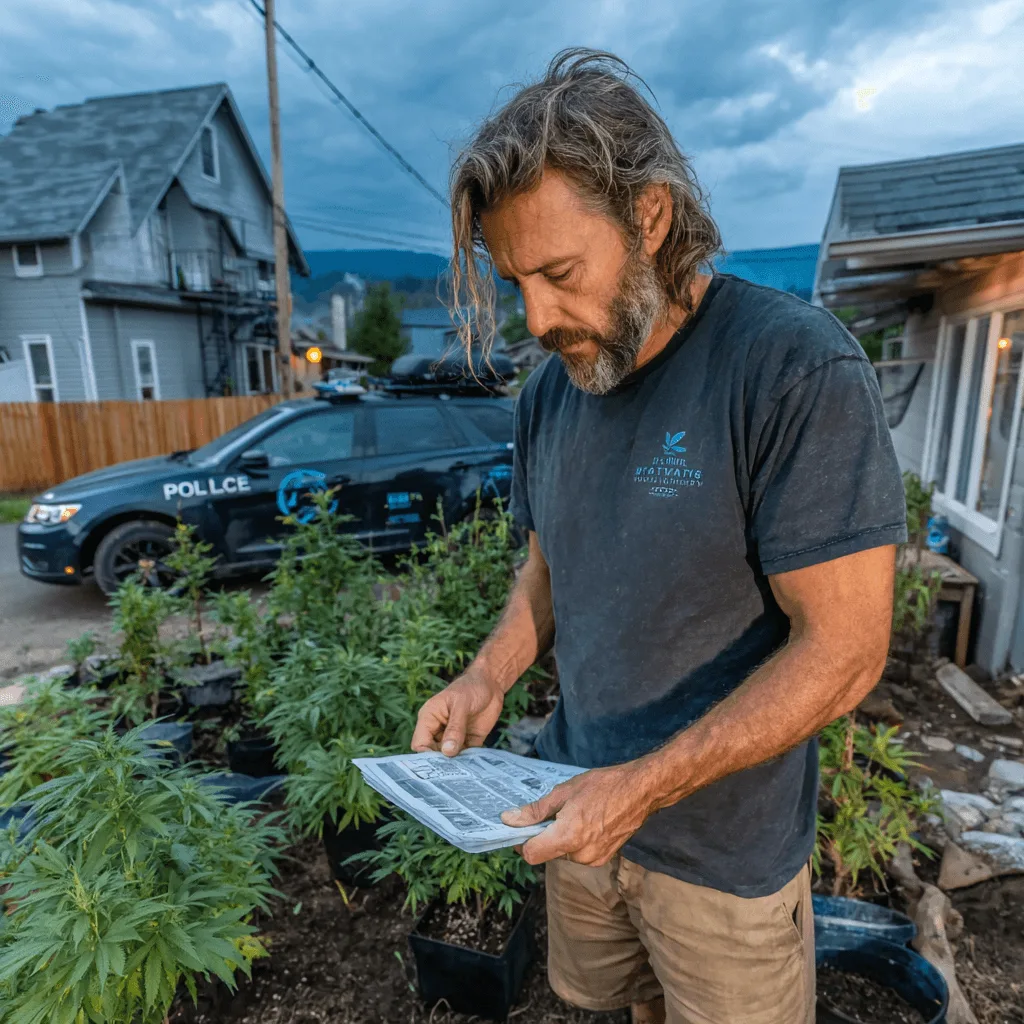
Exposed: Cannabis Investment Scam Rocks Bellingham
Right now, Bellingham is at the center of a wildfire conversation: the cannabis investment scam rattling trust in local markets. With cannabis maturing into a mainstream industry and more people seeking green rush investment opportunities, risk of sophisticated scams is rising. A recent case hitting Bellingham is a wake-up call for our whole community. Let’s break down how this cannabis investment scam unfolded, what’s driving such events, and what both seasoned tokers and green newcomers have got to learn to protect themselves.
Understanding the Cannabis Investment Scam Backdrop
The cannabis industry has exploded in legalization and investment over the last decade. Washington State, for example, legalized recreational use in 2012 and saw billions in revenue pour in, according to Washington State Liquor and Cannabis Board. This gold-rush mentality, where almost everyone sees dollar signs, can attract fraudsters. Loopholes, evolving regulations, and a flood of novice investors without industry experience set the scene for the occasional, but impactful, cannabis investment scam. Social stigma still creates less transparency compared to traditional investments, making scams harder to spot. Regulatory crackdowns exist, but changes in federal law, banking access, and proper industry oversight are still works in progress. As cannabis business operations outpace regulation, investment scams fill these gaps for those who don’t do their homework or trust the wrong pitch. Especially important for operators is the growing awareness around accredited cannabis certification and reliable supply chain access, which is helping set higher standards and reduce fraud risks.
Bellingham’s Cannabis Investment Scam: Key Events & Developments
According to recent coverage from The Bellingham Herald, local authorities revealed a network accused of orchestrating a cannabis investment scam targeting both local residents and out-of-state hopefuls. The central figure, John R. Merritt, pitched investors on a so-called ‘ground-floor’ cannabis cultivation project, promising returns that made even the most laid-back stoner raise an eyebrow. Merritt assured investors their money would launch a new licensed grow operation in Bellingham. From September 2023 through early spring 2024, over $850,000 was collected with little actual plant investment. Eventually, multiple victims contacted police after promised payouts never materialized. On June 10, Whatcom County prosecutors charged Merritt with felony securities fraud and theft. Authorities recovered some funds and seized property related to the fraudulent operation. This incident, much like the recent high-profile Oklahoma marijuana theft and murder case, triggered renewed regulatory scrutiny and fresh warnings to all cannabis investors in Washington State. The Bellingham Police Department, supported by the U.S. Securities and Exchange Commission, issued public guidance for due diligence and legal compliance in cannabis financing.
Expert Analysis: Lessons Learned and Reliable Green Guidance
This cannabis investment scam is loud proof that enthusiasm must be balanced with vigilance. Cannabis businesses aren’t free from the risks facing any hot industry. According to Leafly’s industry reports, almost every major cannabis market has seen at least one significant scam or fraudulent investment pitch since 2018. For example, Sarah Maybank, author at Marijuana Venture, notes: “As popularity and profits soar, scams are inevitable. Only those with their eyes wide open, with feet on the ground, will prosper.” Many experienced cannabis investors use third-party diligence firms, consult with local regulators, and demand verifiable, written evidence of licensing before writing a check. The good news? The industry overwhelmingly supports ethical entrepreneurs. Scams like these spotlight the urgent need for transparency, education, and compliance built into every investment process. Legit operations typically provide proof of licensing, clear business plans, and comply with all state regulations. For those interested in the latest developments around cannabis licensing and regulation, Delaware’s recent moves in cannabis licensing are an excellent case in point. Reputable organizations like the National Organization for the Reform of Marijuana Laws (NORML) offer excellent resources and guidance for those interested in responsible investment opportunities, while regulatory watchdogs continue tightening oversight.
The Future: Better Protection and Brighter Days Ahead
Despite the shadow cast by this cannabis investment scam, the cannabis industry’s big picture stays bright. Regulators are responding with stricter rules, new funding, and investor protections. Statewide, resources for due diligence have improved, and legal reforms are gaining traction. The Bellingham case will inspire more transparent business models and smarter investor behavior. Cannabis is no longer a fringe pursuit—public support is soaring, as shown in the latest Pew Research Center polling, with over 80% backing legal cannabis in some form. The industry needs—and welcomes—more robust oversight, paving the way for legitimate operations to thrive. As Bellingham recovers and investors grow wiser, cannabis culture remains resilient. Legal cannabis will only grow stronger, safer, and more mainstream—raising standards and building community trust with each lesson learned.
Originally reported by: bellinghamherald.com


1 Comment
Pingback: Medical Cannabis Misinformation: What YouTube Gets Wrong