Cannabis hyperemesis syndrome: Why Virginia ER cases are rising
If you’re plugged into the cannabis scene or care about the future of legal weed, you’ve probably clocked the rise in ER visits linked to cannabis hyperemesis syndrome (CHS) across Virginia. This strange, once-rare phenomenon now hits the news cycle as cannabis-friendly states like Virginia debate policies, access, and public safety. Why should anyone involved in cannabis culture pay attention? Simple: as the green wave grows, so do stories and questions about health, policy, and the plant’s impact. Here’s why this rising trend in cannabis hyperemesis syndrome matters right now and what it means for cannabis users, advocates, and policymakers going forward.
The Regulatory and Social Roots of the Cannabis Hyperemesis Syndrome Surge
Let’s get into the weeds (pun intended): Virginia’s cannabis landscape has transformed fast. Medical use laws opened the door in 2020, and by July 2021, personal possession became legal for adults under HB2312, as documented by the Virginia General Assembly. But with a legal market still stuck in the pipeline and illicit sources thriving, consumers often fly blind about product potency, contaminants, or consistent dosing. The nationwide impact can also be seen in states wrestling with similar policy debates, as seen in the ongoing Capitol Conversations and Rising Reform Tensions in Nebraska. Meanwhile, credible public health experts, like those at the CDC, note that cannabis hyperemesis syndrome surfaces mostly in regular, long-term users. Add evolving state regs, rising consumer curiosity, and patchwork oversight, and you get the perfect storm for confusion around symptoms and care. Virginia’s current patchwork legalization leaves most folks lacking primary care or guidance for new side effects, intensifying the need for education and nuanced regulation.
What’s Really Happening? Key Facts on Cannabis Hyperemesis Syndrome in Virginia
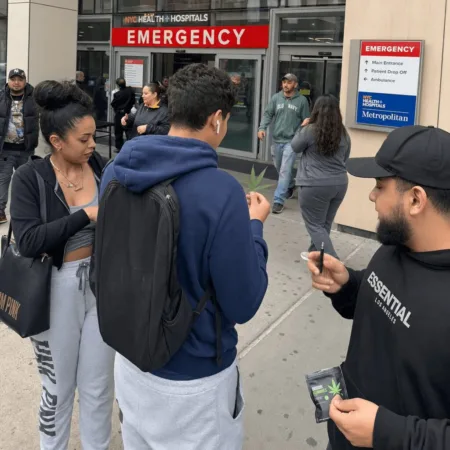
According to recent headlines and interviews with Virginia ER staff, local hospitals are seeing a spike in cases of cannabis hyperemesis syndrome, with patients coming in with extreme nausea, relentless vomiting, and abdominal cramps after heavy cannabis use. Emergency physicians in Richmond and Northern Virginia report that patient volume tied to this syndrome has notably increased over the last few years as legalization and accessibility expand. Similar dramatic increases in cannabis-related ER visits have led to broader discussions on industry regulation and health risks, reminiscent of issues faced in other areas, like the community debate over seized THC products. These aren’t just rare edge cases; stories are piling up in both the mainstream press and specialty publications like Leafly. Doctors note most patients initially don’t link symptoms to cannabis, and many self-medicate with more weed, aggravating their discomfort. Only after persistent symptoms bring people to ERs do they start connecting the dots. This uptick is so sharp that state health officials have begun flagging it as a trend to watch, calling on health workers to screen for chronic cannabis use when treating severe cyclical vomiting. Community advocates and harm reduction groups are urging more thorough education on cannabis hyperemesis syndrome to counter dangerous misinformation and stigma, as reported by NBC News.
Cannabis Hyperemesis Syndrome: Seeing Through the Haze, Expert Takes
This rise in cannabis hyperemesis syndrome isn’t proof that legal cannabis is all doom and gloom, it’s a sign of rapid change and a patchy learning curve. Industry veterans point out that knowledge gaps drive harm, from patients and consumers to ER doctors who are only just catching up to what heavy, long-term use can do for a small slice of users. According to Dr. Ethan Russo—neurologist, long-time cannabinoid researcher, and frequent contributor to The Journal of Cannabis Therapeutics—“CHS is rare and generally resolves with abstinence, but many clinicians still haven’t learned to spot it. The stigma around both cannabis use and vomiting syndromes discourages honest conversation, and we must address that.” (Project CBD) Industry leaders echo this, calling for sensible regulations, batch testing, and straightforward education for users and doctors alike. This is especially relevant as states like California face environmental fallout from illegal cannabis farm pollution, illustrating how nuanced regulation can benefit both users and communities. Instead of pushing panic, experts urge a balanced view: most people who use cannabis will never experience cannabis hyperemesis syndrome, but for those who do, stigma-free support and sound science matter far more than alarmism.
Looking Ahead: Smarter Cannabis Culture and Policy After the CHS Surge
The surge in cannabis hyperemesis syndrome cases is a bump in the road, not a death knell for legalization. As advocates have argued on platforms like NORML, transparent dialogue and robust science are key to safe, thriving legal cannabis. Virginia’s experience is a call for more accessible user education, smart regulation, and a strong primary care safety net for all cannabis consumers. As state lawmakers revisit market plans, and as the feds hint at broader reform, expect deeper research, safer consumer warnings, and stronger advocacy. Long-term, mainstreaming cannabis means normalizing real talk about risks—without demonizing the benefits. As access widens, so does the opportunity for policy, health, and culture to rise together. The future? Smarter users, better safeguards, and a cannabis industry truly built to last.
Originally reported by: newsfromthestates.com