Cannabis Farm Underground Bunkers: Hidden Farms Exposed
The rise of cannabis farm underground bunkers is stirring headlines and sparking conversations from policymakers to everyday enthusiasts. With cannabis regulations evolving and demand expanding, even the illicit growers are getting creative—sometimes literally going underground. This article dives into the recent discovery of a large-scale, subterranean cannabis operation, highlighting key developments, regulatory context, and what these dramatic busts mean for the future of the industry. Let’s shed some (dim) light on why cannabis farm underground bunkers are hitting the news right now, what you should know, and where this all leads next.
Understanding the Roots: Regulations, Markets, and Social Perceptions
Cannabis farm underground bunkers don’t rise from nowhere, they’re rooted in the push and pull between regulation, demand, and the relentless ingenuity of growers. In the UK, where this tale unfolds, cannabis remains a Class B drug under the Misuse of Drugs Act 1971, keeping cultivation outside tightly controlled medical channels illegal. Demand, meanwhile, continues to thrive across Europe, propping up both legal and black markets as reported by Leafly. Ongoing stigma and slow legalization leave room for risk-takers to innovate, sometimes with remarkable creativity, as evidenced by a wave of underground growing operations. Shifting regulations in other regions, like the recent push for change in the hemp industry show how industry advocacy can prompt regulatory shakeups. These developments spotlight gaps between legislation and reality, especially in regions slow to embrace full cannabis reform.
The Big Reveal: Key Developments & Issues Inside the Bunkers
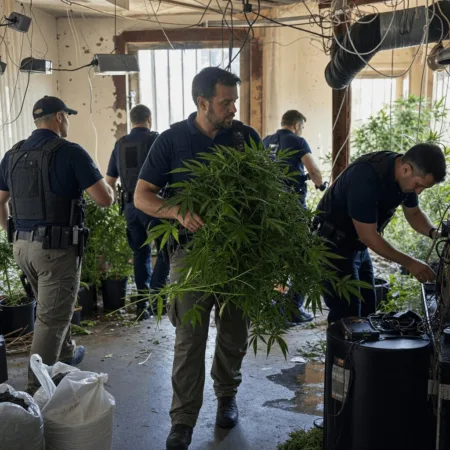
Let’s rewind to the scene, authorities in Lincolnshire recently uncovered one of the UK’s largest cannabis farm underground bunkers. The operation, housed in reinforced concrete bunkers underneath the surface, was both ambitious and well-hidden. According to LincolnshireWorld, police raided the site earlier this year, seizing over £800,000 worth of cannabis plants. Two individuals were sentenced following the discovery, a legal outcome that threw the realities of underground cultivation and its risks into sharp relief.
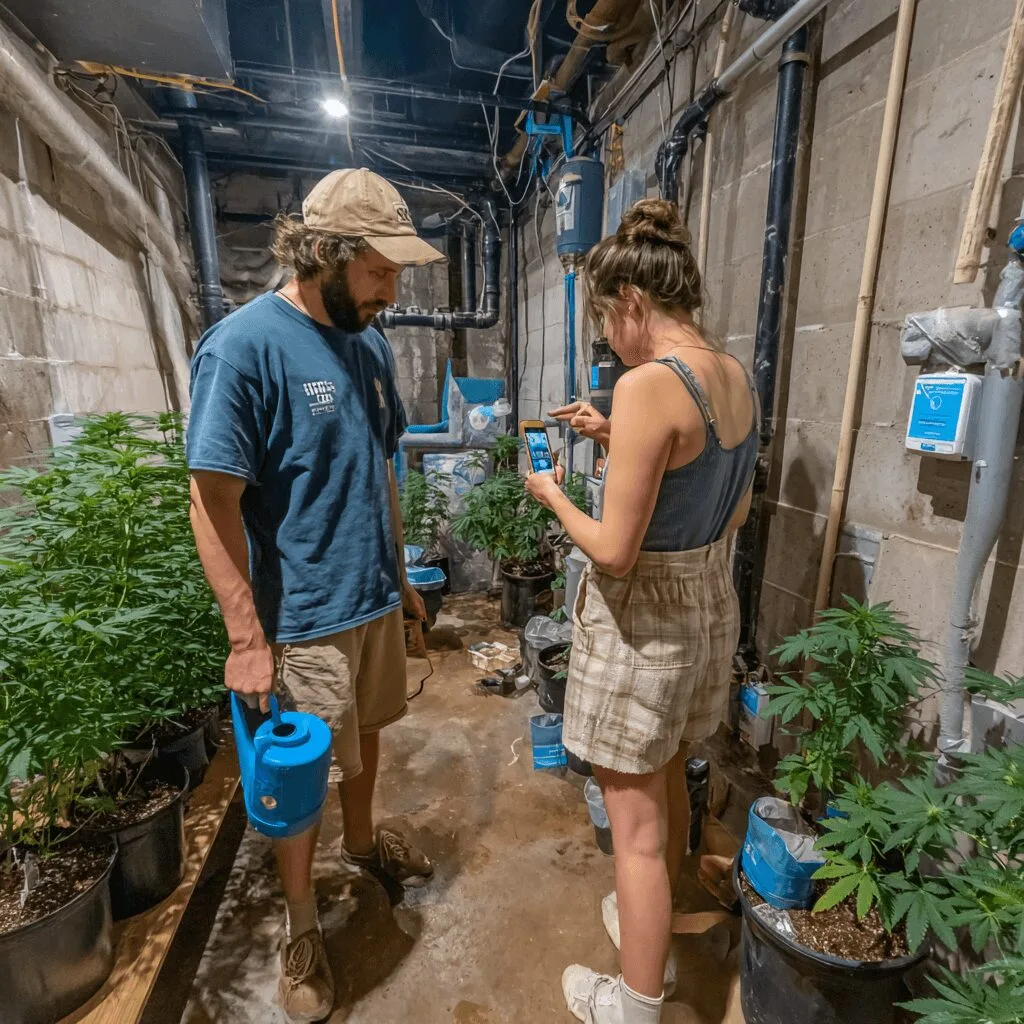
The hidden bunkers weren’t just basic DIY setups. Police reports described sophisticated ventilation and extensive lighting systems, all aimed at optimizing yield while minimizing detection. Growers repurposed abandoned or unused sites, flipping old bunkers into high-output facilities. Officers also found everyday gardening tools, evidence, perhaps, of the blend of old-school horticulture and modern stealth tactics now defining parts of the UK’s illicit supply chain. Even in other regions, serious crimes tied to hidden grow operations—a recent case involving armed robbery in a rural community has left local residents shaken—reveal this isn’t an isolated incident, but part of an ongoing trend of growers going literally below the radar.
Expert Insights: Navigating Innovation and the Realities of Risk
So, what does this all mean for cannabis stakeholders, from law enforcers to policy advocates to casual consumers? Moving a cannabis farm underground bunkers is an innovation born out of necessity, not luxury. As Cannabis Health News explains, illegal operations adapt quickly when faced with law enforcement crackdowns and stagnant legalization. This creativity, while illegal, reflects broader trends in the global cannabis market: “Illicit growers are not just hiding, they’re pioneering some of the industry’s most advanced cultivation techniques,” notes Dr. Sue Clarke, horticultural scientist quoted in Cannabis Health News. The continuing battle between regulators and underground innovators mirrors early American prohibition, where the harder you squeeze the craftier the workaround. Meanwhile, health risks are also an ongoing concern as poorly managed grows may contribute to issues such as unexpected adverse effects that aren’t immediately visible. Globally, as more countries open up legal channels and invest in regulatory reform, illicit tactics like these highlight both the pitfalls of prohibition and the potential of a regulated market.
Looking Forward: Opportunity, Reform, and a Path Above Ground
The bust of cannabis farm underground bunkers in Lincolnshire is more than just a police win—it’s a sign of changing times. Demand for quality cannabis won’t vanish, and every underground garden is a nudge toward smarter, fairer regulation. According to NORML, global legalization momentum is accelerating, and even the slowest movers are starting to see the benefits of bringing cultivation out of the shadows.
For the cannabis community, these hidden farms are a lesson in resilience and innovation—proof that cannabis culture will forever find new ways to grow. The future? Brighter, greener, and above ground—where growers can ply their craft legally, and society can begin to heal the divide between policy and reality. Expect the story of cannabis farm underground bunkers to be a key chapter in the larger journey toward mainstream acceptance, safer markets, and a more rational regulatory world.
Originally reported by: lincolnshireworld.com