




Cannabis Enforcement Challenges: The Real Roadblock Revealed
Right now, cannabis enforcement challenges are at a crossroads. With legalization gaining momentum, old barriers haven’t disappeared—they’ve just changed faces. From mixed signals at the federal level to city agencies stretched thin, there’s a new generation of enforcement headaches for everyone in the cannabis biz. If you’re in the industry or just a curious citizen, understanding these issues is the key to figuring out where the next big opportunity—or risk—will show up. This article breaks down why enforcement matters, who’s stuck in the middle, and what’s really holding us back from a thriving, safe market.
The Roots of Cannabis Enforcement Challenges
Cannabis enforcement challenges are nothing new, but their complexity has evolved. In states where cannabis is legal, the regulatory landscape is a patchwork of state, city, and sometimes county rules. As NORML and Marijuana Policy Project outline, states handle business licensing, testing requirements, and acceptable product forms, while cities handle local zoning, business permits, and how strictly laws are enforced. Despite increasing public support, with over two-thirds of Americans supporting legalization according to a 1780657474 Gallup survey, law enforcement priorities still vary widely. Social equity concerns, funding gaps, and the continued existence of unlicensed operators further muddy the waters. Challenges for specific populations, like the elderly or those in care settings, can also be influenced by enforcement policies, as seen in recent legal battles involving patient rights and regulations. Even as more cities open up to legal businesses, legacy operators and regulatory confusion continue to drive cannabis enforcement challenges across the map.
Recent Developments: Where Enforcement Gets Messy
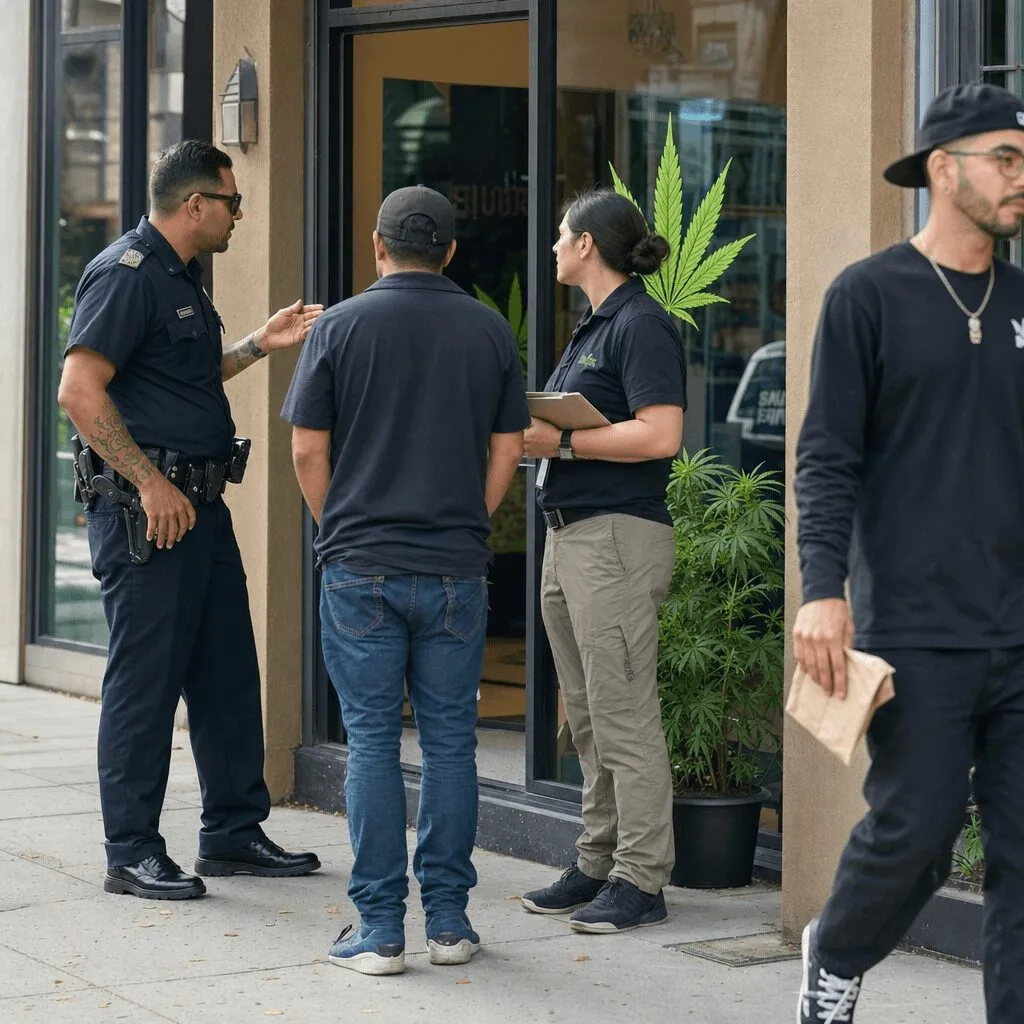
Let’s get straight into the facts. As reported by MJBizDaily in a 1780657474 update, municipal enforcement efforts are hitting serious roadblocks. Many cities lack dedicated cannabis compliance teams, leaving enforcement to general code officers juggling unrelated violations alongside their cannabis work. According to California’s regulatory filings, cities like Los Angeles and San Diego have faced public pressure to crack down on unpermitted dispensaries, even as budget cuts slow inspections. In some regions, major enforcement sweeps and illegal cannabis seizure arrests have been making headlines, illuminating both the scale of the challenge and the dramatic approaches being employed. New York’s rollout has been a high-profile case: as The New York Times and Leafly detail, thousands of unlicensed shops popped up after legalization in late 2022, overwhelming city enforcement and leaving state regulators scrambling. At the same time, well-meaning operators find it frustrating, seeing that even with a license, they might have to deal with surprise inspections or conflicting state and local regulations. Cities like Portland and Denver have created dedicated task forces, but enforcement gaps persist, especially where local governments lack staff or clear guidance. All this makes cannabis enforcement challenges a central industry headache in 1780657474.
Expert Insights: Why Cannabis Enforcement Challenges Persist
Cannabis enforcement challenges highlight a classic regulatory catch-22. As Jane West, founder of Women Grow, told Forbes, “Operators are often overregulated in some ways and under-protected in others. Frustration on both sides holds the entire ecosystem back.” Why do we see so many enforcement issues? First, there’s a lack of communication between state agencies and city bureaucracies. Second, many cities don’t have the resources to target both unlicensed shops and legal ones fairly. Chronic underfunding and shifting political priorities play a role, and when budgets get tight, cannabis compliance often falls to the bottom of the list. For many shop owners and communities, fines for illegal cannabis sales are becoming a significant concern. Social equity programs, intended to address past drug war harms, sometimes inadvertently slow down licensing and complicate oversight. And let’s not forget consumer safety: ineffective enforcement lets unregulated products hit the streets, putting public trust at risk. As industry experts relay, grappling with these competing pressures keeps cannabis enforcement challenges in the headlines. Meanwhile, legacy market participants—often longtime members of the cannabis community—feel unfairly squeezed between new regulations and aggressive crackdowns. All told, enforcement needs smarter policy, adequate funding, and a willingness to learn from what’s thriving in places like Colorado and Oregon, where transparency and cooperation have yielded better outcomes.
Looking Ahead: Change Is the Only Constant
Despite these hurdles, the cannabis industry isn’t backing down. New solutions—like real-time compliance software, stronger community dialogue, and pilot programs in cities such as Seattle—are showing promise. State regulators in Illinois and Connecticut are rolling out clearer guidance and more funding for compliance training, according to Cannabis Business Times. Public support also continues to rise, putting pressure on lawmakers to get real about fixing enforcement gaps. As momentum grows, cannabis enforcement challenges will drive smarter, fairer approaches across the country. Here’s to a future where cannabis thrives, communities benefit, and the headaches become history—one rule, and one city, at a time.
Originally reported by: mjbizdaily.com


2 Comments
Pingback: Kentucky medical cannabis expansion: Governor Unveils Major Funding
Pingback: Louisville airport marijuana trafficking: What happened next?