





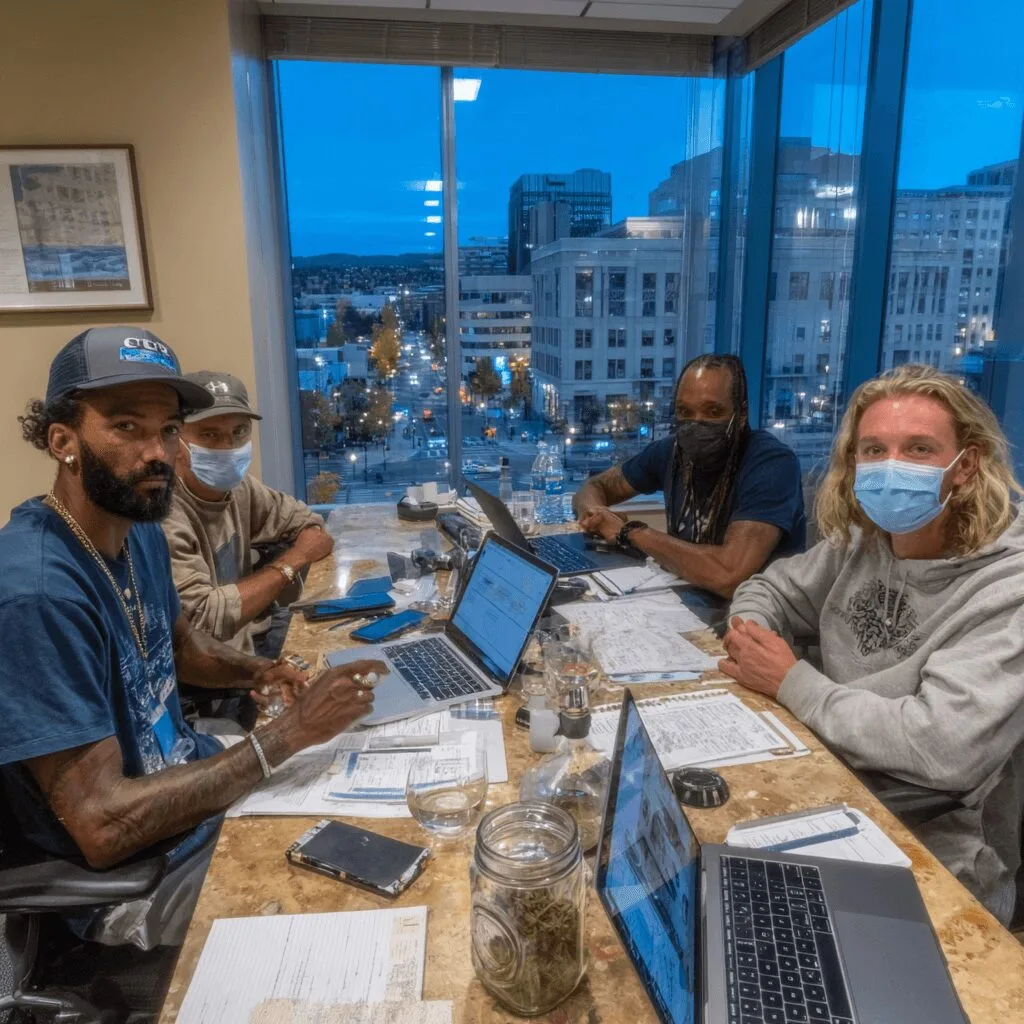
Cannabis Education for Physicians: The Essential Guide
Let’s be real—cannabis is moving from the fringes to the front lines, and doctors are on call to keep up. With legalization advancing across North America and new research emerging every week, cannabis education for physicians is not just a nice-to-have—it’s mission critical. Patients are asking more questions than ever about cannabis as medicine, and doctors need the right knowledge to give honest, evidence-based answers. In this guide, we explore what’s behind the current surge in demand for cannabis education for physicians, the latest research developments, and why getting up to speed could change not just careers but also patient lives.
The Evolving Landscape: Why Cannabis Education for Physicians Now?
The cannabis market’s rapid growth continues to rewrite health care’s playbook, and legal changes in places like Germany are having a global ripple effect, as seen with recent online cannabis restrictions and the impact on shoppers (read more about this development). Recreational and medical use is currently legal in more than half of U.S. states, with countries like Canada and Germany pushing forward the international legalization wave. Despite these changes, many physicians start their practice with almost no formal background in cannabinoid science or therapeutic cannabis. Stigma, regulatory confusion, and a historically prohibitionist approach across medical schools have kept cannabis out of standard curricula for decades, as summarized by an AMA study. Regulatory shifts such as the 2018 U.S. Farm Bill, which removed hemp from the Controlled Substances Act, and Canada’s 2018 national legalization, are putting pressure on health systems to rapidly deliver credible guidance. Socially, patients of all ages are seeking natural wellness options, which forces health providers to balance updated evidence, complex legality, and patient safety. All these factors contribute to a crucial need: credible, comprehensive cannabis education for physicians.
Key Developments: Knowledge Gaps, New Research & Physician Attitudes
Recent studies, such as a multi-state survey published in JAMA Network Open (2024), underscore pressing realities around knowledge gaps in cannabis education for physicians. The research reports that less than one-third of U.S. doctors have received any formal cannabis training during medical school or residency, leaving most unprepared to advise on product selection, dosing, or risks. These deficiencies persist even in legalized states, threatening patient safety, especially as interest in cannabis for pain, sleep, and cancer grows. Notably, issues with opioid prescribing and the impact of medical marijuana on cancer patient care are being actively studied and could shift patient treatment strategies (ongoing impacts in cancer clinics). Over 80% of physicians surveyed express the need for more standardized training. Professional societies, such as the American College of Physicians, advocate for swift integration of cannabis education into core medical curricula and continuing education. Yet, legal uncertainties remain, with many states tightly restricting doctors’ recommendations and substantial inconsistencies between state-level medical cannabis programs. However, new grants, CME modules, and conferences are drawing attention to the urgent necessity of objective, science-based cannabis education in modern medical practice.
Expert Analysis: Making Sense of the Gaps & Moving the Needle
What does all this mean for real-world practice? Doctors aim to serve their patients, but the weight of decades-long cannabis stigma still lingers. In many cases, physicians hesitate over cannabis discussions due to unclear laws or risk-averse hospital policies, leading to avoidance of important conversations that can affect trust and health outcomes. Increasingly, more patients seek cannabis products, sometimes self-prescribed and often without professional guidance—a trend that mirrors the kinds of challenges seen when professionals lack standardized competencies (core competencies all healthcare providers need). Dr. Bonni Goldstein, a respected cannabis clinician, states, “Patients rely on their doctors for cannabis guidance, but most medical training still ignores this topic completely. That must change fast if we care about safety.” (Medical Cannabis Mentor). Advances in pharmacology and randomized trials (as summarized by the NIH) further demystify cannabinoids’ roles in pain, seizure disorders, and more. Integrating research-driven cannabis training is now widely considered essential for evidence-based practice. While concerns persist about overhyped claims and dosing uncertainties in vulnerable groups, experts widely agree that balanced, nuanced education—rather than prohibition or hype—is the practical way forward.
Looking Forward: A Greener, Smarter Medical Future
Cannabis education for physicians is where patient care meets social progress. With public support for legalization at record highs according to Pew Research, and regulatory shifts opening new research doors, there’s never been a better time for doctors to upskill. The stigma is cracking, and medicine is learning that evidence—not myths—should lead the way. Programs are rolling out across North America: universities, specialty groups, and public health leaders are pushing clear, CME-accredited cannabis training. The next generation of physicians will likely think of cannabis as just another tool in the clinical toolkit. And that, no joke, could be the ultimate cure for both misinformation and medical hesitancy. For forward-thinking practitioners and their patients, embracing cannabis education for physicians is the key to a more informed—and possibly much greener—future.
Originally reported by: jamanetwork.com

1 Comment
Pingback: THC-infused Beverages Ohio: Why Lawmakers Want to Ban Them