





Cannabis DUI Legal Risks: What Lawyers Urgently Warn
Whether you’re a seasoned toker or just sling an occasional edible, understanding cannabis DUI legal risks is essential right now. Thanks to widespread legalization and expanding medical use, the overlap between cannabis, personal health routines, and road safety has sparked new legal scrutiny. If you thought a prescription or dispensary receipt meant total immunity, think again. Lawyers across North America are sounding alarms about confusion, legal loopholes, and how everyday cannabis routines—even the ones you think are full-on legit—can bring unexpected heat. Buckle up as we break down why this legal storm matters for all of us in the cannabis community.
Background: Cannabis Regulation, Legal Confusion, and Social Change
Cannabis law in the United States has gone through a wild transformation over the past decade. With full legalization in some states and lingering federal prohibition, users are left sorting through a confusing maze of rules. According to NORML, over 20 states now allow recreational cannabis, and many more offer medical programs. However, federal law still views cannabis as a controlled substance. This patchwork has major implications for driving laws and sobriety enforcement, much like local regulatory debates around the country—and businesses in emerging markets occasionally stand up to government enforcement, such as those covered in reports of Missouri CBD shops challenging state crackdowns. Socially, while cannabis is more accepted than ever, public safety debates haven’t cooled, especially around driving impairment. Law enforcement and the courts are pushed to adapt, but testing methods and impairment criteria for cannabis influence are notoriously imperfect. The result is a gray zone where legal cannabis use can still put responsible adults at risk of unintended DUI charges.
Key Developments: Prescriptions, Fatigue, and the Cannabis DUI Legal Risks Grey Zone
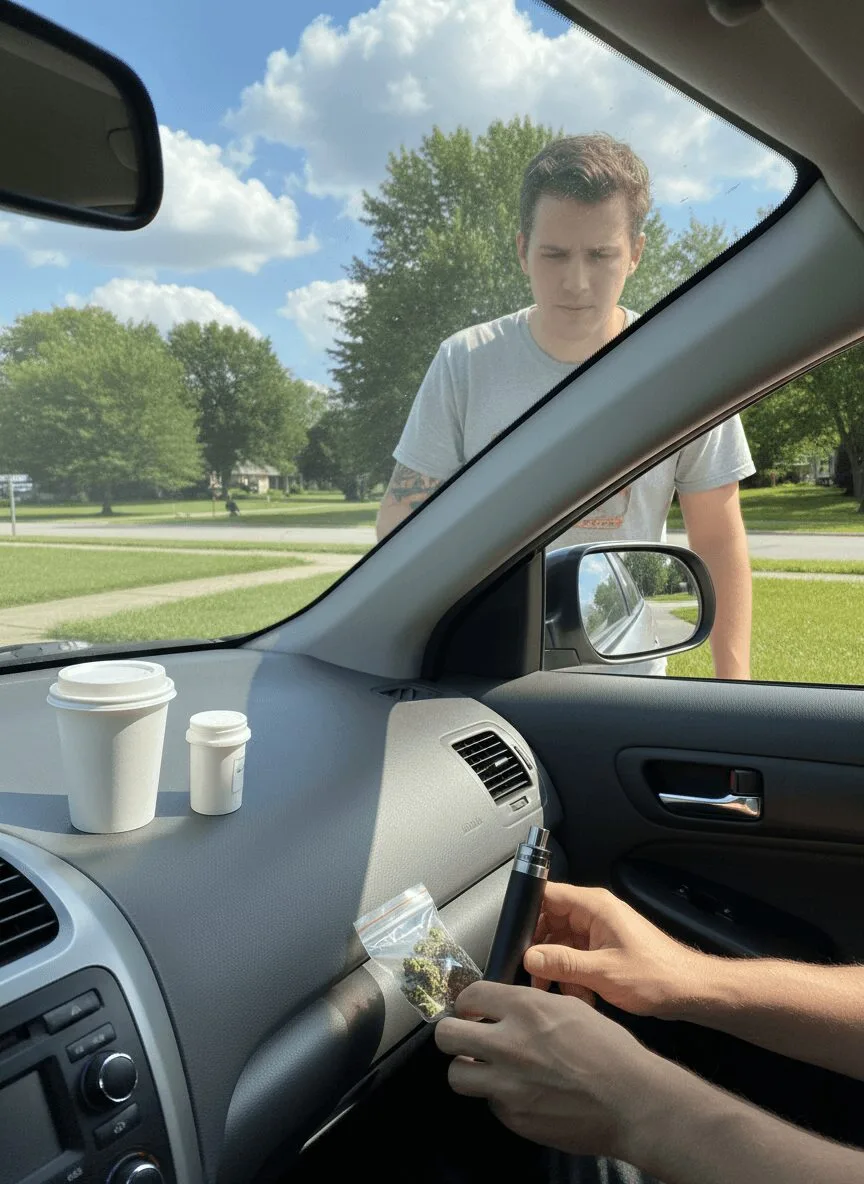
According to local news coverage, attorneys are urgently advising that Nevada’s cannabis users—even those with legal prescriptions—aren’t off the hook for potential DUI charges. Legal experts point out that officers may flag drivers for impairment if they suspect recent cannabis consumption, regardless of whether the driver has a valid medical card or a prescription bottle riding shotgun. Add a disposable coffee cup and signs of drowsiness, and you’re looking at another legal layer, since fatigue can mimic cannabis-related impairment. Much of this confusion echoes broader legal tensions, as seen with shifting marijuana laws in other states, such as the latest changes in Texas hemp regulations. Nevada’s statutes are also ambiguous: drivers can face charges based on observed behavior or the presence of cannabinoids in the bloodstream, rather than actual impairment at the time of driving. This means that even those following medical advice or battling fatigue may run into legal challenges with cannabis DUI legal risks. Lawyers specifically warn against assuming that any prescribed medical product guarantees immunity from harsh or confusing enforcement actions.
Expert Insights: Decoding What These Legal Moves Mean
Cannabis legal uncertainties around DUI are creating fresh headaches for patients, recreational users, and the entire industry. Experts argue that current regulations don’t fully account for the ways people use cannabis for health and wellness. According to cannabis compliance attorney Rachel Donahue, in a recent interview with mg Magazine, “The science hasn’t caught up to the law. We have no practical way to measure real-time impairment for cannabis like we do with alcohol.” This legal gray area puts even careful users at risk of unfair prosecution based on blood test residue or circumstantial evidence. Industry veterans highlight a growing consensus: states need better education, improved impairment testing, and sensible policies that don’t punish medical or responsible users unjustly. Recent tax and regulatory shifts have intensified these challenges, especially in states wrestling with financial fluctuations, like congestion in Arizona’s market discussed in the oversupply crisis faced by Arizona dispensaries. At the same time, experts urge users to be extra cautious, because, for now, ambiguity favors law enforcement’s judgment rather than the science or medical context.
Looking Forward: Smarter Laws, Safer Roads, Stronger Community
Despite the current cloud of cannabis DUI legal risks, the future looks brighter. Educational campaigns, advocacy, and smarter policymaking are all helping to reshape public attitudes and legal frameworks. As noted by Leafly, regulators and advocacy groups increasingly call for evidence-based approaches to impairment testing and more reasonable distinctions between medical and recreational use. With consumer knowledge and the industry’s influence growing in tandem, we can expect new solutions that protect both public safety and the rights of responsible cannabis users. Stay informed, stick together, and keep pushing for clarity—because the green wave isn’t slowing down anytime soon.
Originally reported by: news3lv.com


