Cannabis Danger to Dogs: Why Peninsula Parks Are a Risk
The cannabis danger to dogs has quickly become a hot-topic for local pet owners and industry insiders alike. As cannabis legalization sweeps North America and adult-use lounges sprawl across cities, everyday parks are now confronting unexpected risks—most notably, the accidental exposure of dogs to leftover cannabis. With increasing cases of pet intoxication reported by vets, this issue can’t just be swept under the rug. What’s happening at Peninsula parks represents a real intersection of cannabis culture, evolving laws, and community safety. Let’s break down why this matters now, what’s driving these developments, and how both cannabis advocates and pet lovers can work together to keep parks safe for everyone.
Understanding the Background: Laws, Culture, and the Rise of the Cannabis Danger to Dogs
The cannabis danger to dogs controversy comes directly from a potent mix of evolving regulatory landscapes and shifting social attitudes. Since the Canadian cannabis legalization in 2018, public consumption is legal in many provinces, but local bylaws, like those enforced by British Columbia municipalities, often restrict cannabis use in public spaces such as city parks (Health Canada). Yet, enforcement isn’t always thorough. Meanwhile, broader normalization has led to more frequent casual use outdoors, especially in densely populated, dog-friendly communities. Recent discussions about high-profile enforcement actions, such as those impacting city warehouses, highlight how enforcement challenges play out nationally and locally, reminiscent of issues like large-scale illegal cannabis raids. According to CBC News, many municipalities struggle with enforcement, leaving public green spaces open to unintentional contamination. Add to this social shift a booming pet ownership trend, with industry leaders like Statista reporting one of the highest rates in the world, and you have a recipe for accidental encounters between curious pups and leftover cannabis. The gap between law, enforcement, and reality is the pressure point driving the cannabis danger to dogs right now.
Key Developments & Issues: Cannabis Litter, Park Rules, and Pet Health Scares
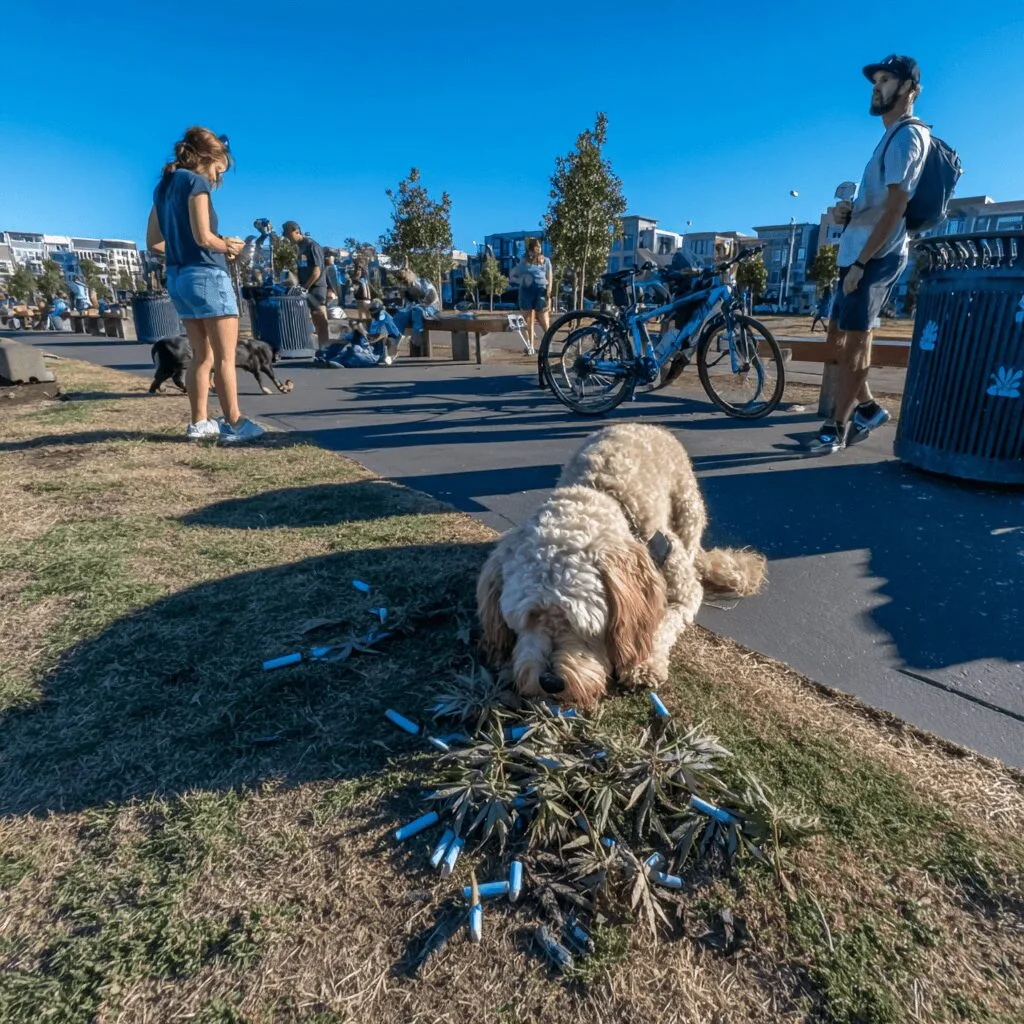
The cannabis danger to dogs recently grabbed local headlines after a surge in reports from Peninsula-area parks regarding dogs experiencing symptoms linked to cannabis ingestion. According to a December 2025 letter published in the Goldstream Gazette, concerned residents found increasing cannabis waste, including half-smoked joints and green plant debris, scattered across popular dog-walking spots. Several dogs needed immediate medical attention after reportedly ingesting or sniffing these discarded items, leading to costly vet visits and significant distress for their humans. The letter specifically cited one incident in late November 2025, when a dog became lethargic, lost coordination, and required professional care—a pattern animal hospitals across British Columbia claim is becoming more common. Meanwhile, local park authorities struggle to balance cannabis consumption rights with public safety. New bylaw updates have been proposed, but loopholes and enforcement gaps persist, as noted by recent city council minutes and interviews with local enforcement officers (see City of Victoria). This ongoing risk is compounded by increased reports of negative health outcomes among both people and pets—a concern echoed in recent exposés on the rising health risks linked to cannabis misuse. The confluence of relaxed social attitudes toward cannabis, heightened pet ownership, and inconsistent cleanup practices is turning what should be safe, chill spaces into risky zones for pets. The cannabis danger to dogs is no longer theoretical; it’s affecting real families, as recorded by multiple regional news outlets in late 2025 (CHEK News).
Expert Analysis & Insights: How the Cannabis Industry Views Pet Safety
As a long-time cannabis advocate, I can’t overemphasize the importance of respecting both responsible use and community wellbeing. The cannabis danger to dogs represents a clash between the freedoms earned by legalization and the duty to protect our four-legged friends. Leading experts echo this: Leafly health editor Janessa Bailey argues, “Cannabis legalization doesn’t end with personal enjoyment; it brings a real responsibility to society, including our pets.” Major veterinary associations (see CVMA) now train professionals to spot and treat cannabis exposure, while cannabis companies are stepping up with public education campaigns on proper disposal and keeping parks clean. At the same time, this isn’t the death knell for outdoor cannabis enjoyment. Most users want to do the right thing—just like dog owners do, with newsroom coverage showing many parkgoers actively picking up waste when they spot it (CBC News). Candid conversations between cannabis advocates and concerned citizens are helping communities find common ground despite ongoing pet safety concerns, similar to the importance of open-minded dialogue highlighted in the ongoing debate about cannabis perspectives. It’s about normalizing responsible culture, not demonizing a plant that’s done a lot of good for countless adults and medical patients. But as public spaces become more relaxed, our shared responsibility grows too.
The Road Ahead: Safer Parks, Smarter Policy, and Respectful Cannabis Culture
Here’s the optimistic spin: The cannabis danger to dogs isn’t insurmountable. If anything, it’s a call for better public education, smarter container design, clearer signage in dog-friendly zones, and maybe even dedicated cannabis-safe areas away from playgrounds and dog runs. Municipalities can look to progressive cities worldwide for models that blend cannabis culture and community safety (see insights at Cannabis Business Times). The reality? Cannabis is here to stay, and so are our beloved parks and pets. If consumers and city planners collaborate, dogs can keep living their best park lives—while humans continue to enjoy their freedom responsibly. That’s a win for everyone: advocates, pet parents, and the future of equitable cannabis policy.
Originally reported by: goldstreamgazette.com