The cannabis market is booming, but with growth comes new risks—like cannabis cultivator theft making headlines in Vermont. The recent GreenMountain incident shines a light on urgent security gaps impacting licensed growers. From crop losses to heightened regulatory scrutiny, this theft underscores pressing issues every cultivator faces. This article digs into the story, explores the broader context, and offers expert insights on safeguarding the future of cannabis cultivation.
Background: Understanding Cannabis Cultivator Theft in the Current Landscape
Legalized cannabis has opened doors for licensed cultivators across Vermont and beyond. With market expansion comes both economic opportunity and increased threats. NORML and industry reports underscore a spike in organized and opportunistic theft as the market matures. Security standards lag behind comparable regulated sectors, in part because recent state cannabis programs, including Vermont’s, are relatively new (Vermont Cannabis Control Board). Growers are required to follow security guidelines, but specifics vary widely across states. Meanwhile, rising crop values put small and mid-sized farms in the crosshairs. Complex regulatory patchwork, hurdles surrounding insurance, and the struggles brought by lack of federal banking access further complicate recovery after cannabis cultivator theft, leaving operators vulnerable in the aftermath of incidents. In addition, shifting public sentiment around local regulations has driven some counties to re-examine their approach to cannabis, reflecting the mixed but evolving perspectives in the region according to recent survey findings.
Key Developments: The GreenMountain Incident and Its Fallout
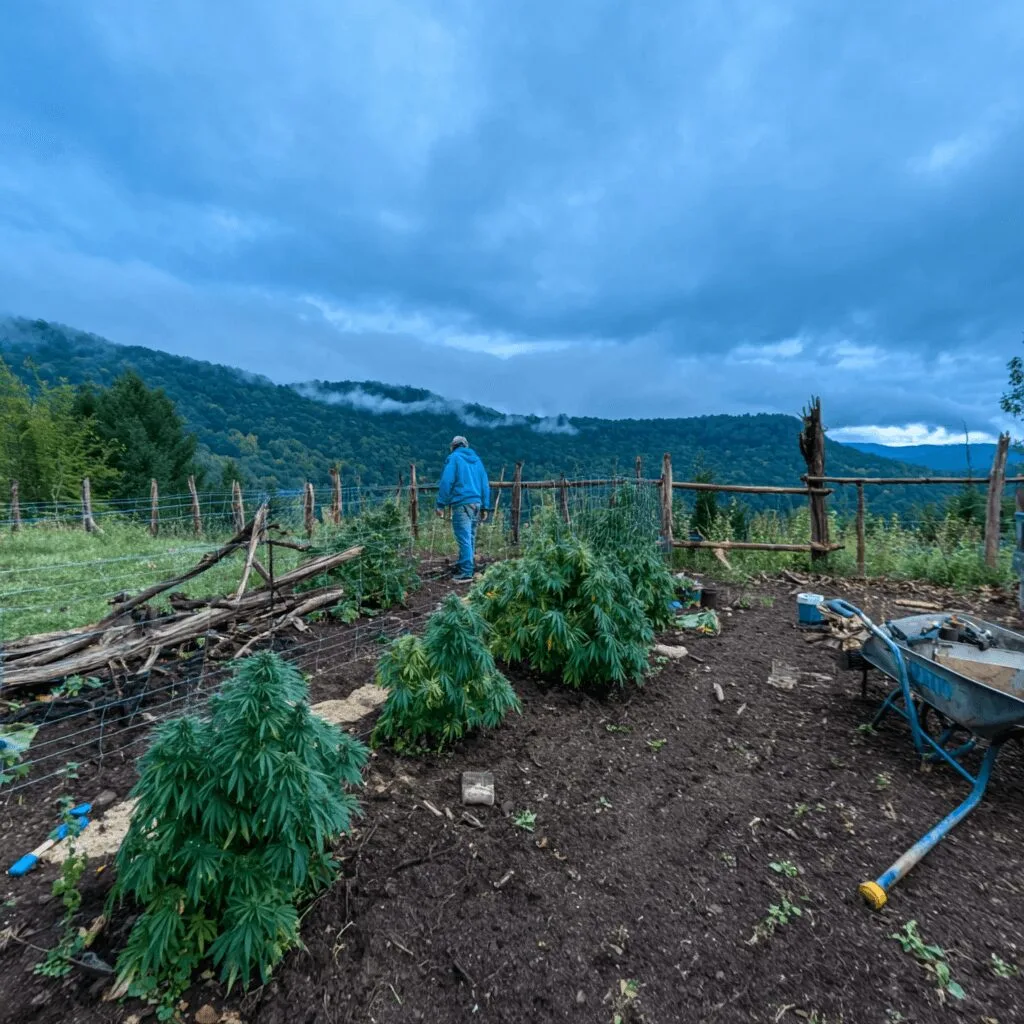
In late June, GreenMountain, a Vermont outdoor cannabis farm, experienced a dramatic cannabis cultivator theft that sent ripples through the local community. According to the original report in the Brattleboro Reformer, thieves cut through fencing, uprooted mature cannabis plants, and left behind broken branches and damaged infrastructure. The crime was discovered by the cultivator at dawn, with an estimated loss approaching $50,000, money that isn’t easily recouped, as cannabis insurance in Vermont is limited and expensive. Local law enforcement, the Vermont Cannabis Control Board, and nearby farms quickly coordinated a response, but suspects are yet to be identified. The event comes amid heightened concerns statewide, as thefts targeting growers appear to be on the rise, reflecting both organized and ad-hoc crime patterns. GreenMountain’s owner has since tightened security and spoken out about the emotional and financial toll: “It hurts to see months of work gone overnight.” Regulators are now considering updated, more rigorous security protocols for licensed cultivators to prevent similar losses in the future, according to statements from the Vermont Cannabis Control Board. These developments mirror recent debates seen in other states, such as the ongoing discussions about tightening cannabis regulations and permit oversight happening in cities across the country as highlighted in city council hearings.
Expert Insights: What the GreenMountain Case Reveals About Industry Threats
The GreenMountain cannabis cultivator theft spotlights key vulnerabilities endemic to outdoor growers. Crops in rural locations are especially exposed, and evolving criminal tactics often outpace current security recommendations. According to Leafly’s security analysis, regionally organized theft rings often target licensed cultivators around harvest time. Industry expert Jason Thomas, CEO of SecureHarvest Consulting, explains: “With the high value of regulated cannabis, cultivators must think like commercial farmers and like banks, layering security, insuring against loss, and building alliances with local law enforcement.” In the broader national context, 2023 saw a 22% uptick in reported on-farm theft losses according to data from MJBizDaily. Constraints on insurance and persistent cash-based operations mean that even a single cannabis cultivator theft can deeply wound a business. Yet, as regulations mature and best practices evolve, new solutions, like community security networks and innovative, affordable tech, could help steer the industry forward. As Leafly writes, “Cultivator vigilance and regulatory momentum are now non-negotiable in the cannabis age.” Lessons from recent news in places like Alabama—where debate over reclassification is intensifying among stakeholders—echo the complexity and urgency of finding better protections for the industry as criminal threats persist in this developing policy landscape.
The Future: Building Resilient Cannabis Cultivation and Community
While the GreenMountain cannabis cultivator theft was a blow to Vermont’s growers, it’s also catalyzing change. The industry is fast-moving; every challenge accelerates innovation and policy improvement. As cultivation matures, states like Vermont are leading the way in updating security rules, standardizing insurance options, and supporting cultivators after loss (Vermont Public). Social support for legal cannabis is rising, and the community’s resilience shines in times of adversity. With better tools and knowledge sharing, cultivators will rebound, learn, and build back more secure than ever. The future of cannabis isn’t just green—it’s guarded, adaptable, and full of promise for responsible growers everywhere.
Originally reported by: reformer.com