





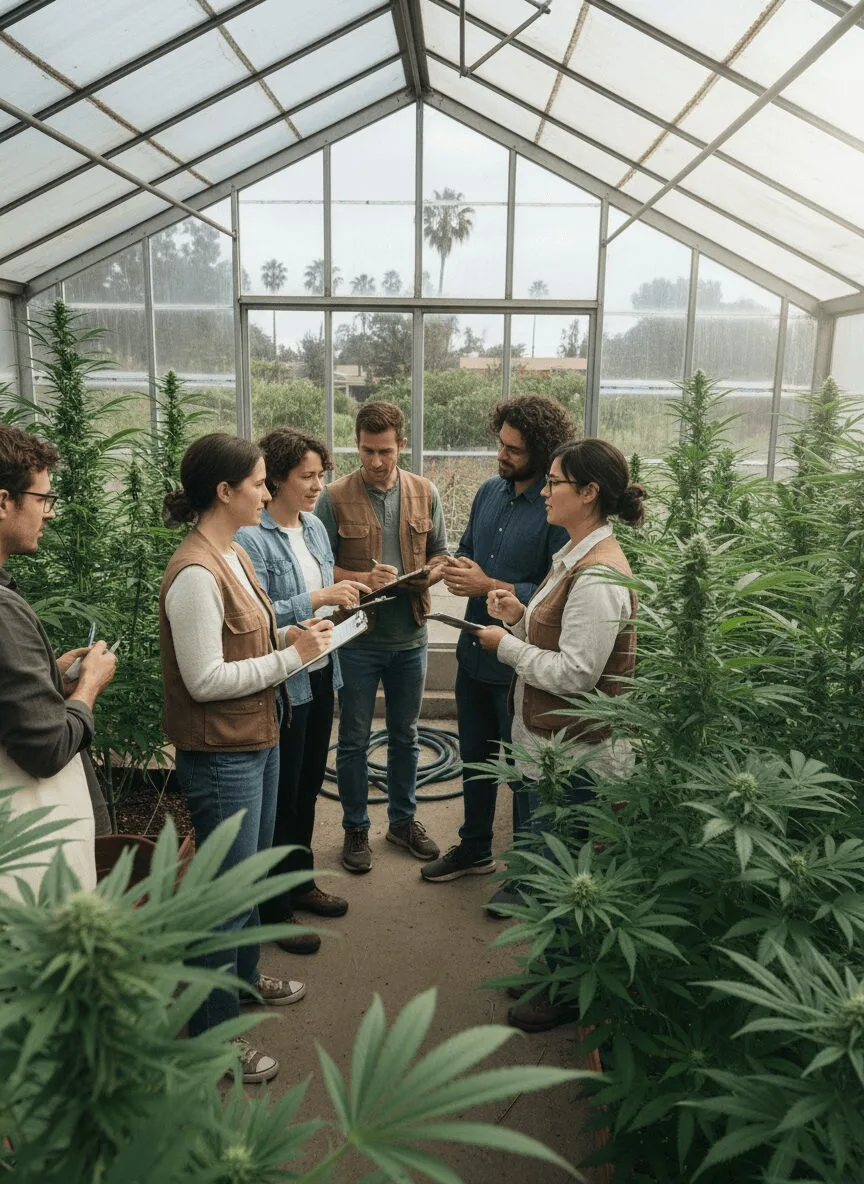
Cannabis Crop Yield Research: Breakthrough UC Berkeley Study
Right now, the cannabis industry is on the fast track, but one question remains at the root: how do we get bigger, better, and more predictable yields? With West Coast cultivation booming and legalization turning heads nationwide, cannabis crop yield research takes center stage. Growers, investors, and policy makers want reliable data, so when UC Berkeley steps up to the plate with real, state-backed research, everyone from legacy cultivators to corporate execs pays attention. This article packs key findings, expert perspectives, and how this research sparks a wave of innovation across legal cannabis. You’ll get the lowdown on the science, the politics, and why this is a legit milestone for modern weed.
The Roots: Legalization, Regulation, and the Pressure for Better Cannabis Crop Yield Research
To understand why cannabis crop yield research is so crucial, you’ve got to dig into the regulatory and market landscape. As of 2024, legal cannabis is a multi-billion-dollar industry across both medical and adult-use markets (Statista reports). Yet, uncertainty lingers over cultivation methods. Each state has its own licensing standards, canopy restrictions, and environmental rules. For growers, making every square foot count is real. Cannabis Business Times highlights how regulatory pressure in states like California forces growers to optimize both quality and yield. Socially, cannabis still walks the line: public support soars, but misconceptions and fierce debate around regulation and plant genetics persist, making robust research even more valuable. With more legal markets coming online and investors betting big, having UC Berkeley and state funds backing cannabis crop yield research signals real legitimacy as we race toward normalization. In states where regulatory changes shape the landscape, such as recent updates in Texas affecting farmers and businesses, these shifts further underscore the urgency of focused research (Texas Hemp THC Regulations: What Farmers & Businesses Need to Know Now).
Key Developments: UC Berkeley and Glass House Lead the Way
This isn’t just another stoner science fair. According to Cannabis Business Times, UC Berkeley researchers in partnership with Glass House Brands have launched a major, state-funded project drilling deep into real-world cannabis crop yield research. The research is driven by state grants allocated in 2024, confirming California’s intent to back science over guesswork. Glass House, one of the state’s biggest greenhouse cultivators, is opening their high-tech facilities to the UC Berkeley team. The collaboration involves on-site measurements of plant health, harvest cycles, and environmental factors, with results set for peer review by late 2024. These experiments come at a time of significant regulatory change in the industry as recent national moves toward marijuana rescheduling highlight the rapid evolution facing cultivators (Marijuana Rescheduling News: Bold Changes & What They Mean for the Nation). All this happens as regulators urge improved reporting and data transparency from licensed growers, hoping this will inform future rules for sustainable production across the Golden State and beyond. It’s a rare convergence: academia, big commercial growers, and the government sharing data on how to optimize the green gold rush.
Expert Analysis and Industry Insight: What Sets This Cannabis Crop Yield Research Apart?
So what makes this cannabis crop yield research such a big deal for the industry? First, the partnership bridges the old divide between academia and commercial grow operations, letting scientists go beyond small, isolated test grows. Second, it’s about transparency—industry veterans crave real data, not just grower folklore. Leafly News points out that with credible institutions like UC Berkeley involved, findings become harder for critics to dismiss. Plus, state funding means the research isn’t just a paid promo; it’s science in the public interest. According to renowned cultivation expert Dr. Ethan Russo, “The future of cannabis depends on rigorous, collaborative research that addresses real grower challenges” (Project CBD). This project could finally establish standardized benchmarks for yield efficiency, informing breeding programs, investment decisions, and regulatory reforms. More transparent cannabis crop yield research helps level the playing field for both craft growers and industry giants, especially as legalization spreads and global markets mature. It’s also worth noting the important local implications as community-focused policies, such as how cannabis tax funds are revitalizing towns, show the broader positive impacts of this research (How Loudonville Cannabis Tax Funds Are Transforming Local Communities). There’s also a crucial environmental angle: better yields mean fewer resources consumed per gram, helping the planet while boosting the bottom line.
Next Steps: Bright Horizons for Cannabis Crop Yield Research
The implications of this cannabis crop yield research are massive. As more universities, industry groups, and regulators lean on hard data, expect rising efficiency, less waste, and smarter regulations—benefitting everyone from craft farmers to mega-enterprises. Forward-looking reports by New Frontier Data suggest that with advanced yield optimization, US cannabis could rival the world’s top agricultural sectors in sustainability and profitability. The era of shadowy grow ops and whispered trade secrets is fading—this is about mainstream credibility, environmental responsibility, and helping the cannabis community thrive. As public support and social acceptance grow by the day, this breakthrough study leaves no doubt: the future of cannabis is bright, green, and firmly rooted in science.
Originally reported by: cannabisbusinesstimes.com


1 Comment
Pingback: Federal Hemp Product Ban Delay: What the Bipartisan Bill Means