



Cannabis Cancer Treatment Interaction: What You Must Know
Right now, cannabis is in the global spotlight—especially as patients, healthcare pros, and lawmakers finally give it the close-up it deserves. In the thick of evolving medical research, the cannabis cancer treatment interaction is a hot-button issue. With cancer rates and cannabis use both rising worldwide, folks are asking: Does cannabis mix safely with cancer therapy? Or could it throw a curveball at hard-earned treatment progress? This article breaks down the new science, debunks myths, and provides balanced, real-talk guidance. Expect a relaxed take on a serious topic—because everyone deserves honest, readable info before lighting up or trying new medical regimens.
Behind the Buzz: Background, Regulation, and Industry Context
The cannabis cancer treatment interaction debate has only grown louder as legalization fans out across North America and parts of Europe. Patients turn to cannabis for symptom relief, including pain, appetite issues, and sleep, sometimes alongside aggressive cancer regimens. Legally, there’s a wild patchwork: the U.S. FDA still classifies cannabis as a Schedule I substance, while Canada, some European countries, and many U.S. states permit medical use. Patients find themselves navigating state programs, federal contradictions, and an almost mythic amount of online advice, especially in regions where local regulations have drawn scrutiny—such as recent audits highlighting risks for small businesses in Massachusetts.
Rising consumer demand fuels research and market opportunities. ReportLinker’s latest update shows the global legal cannabis market could top $100 billion by 2030. Medical professionals, however, often face gaps between anecdotal patient experiences and gold-standard clinical data, especially regarding how cannabis compounds, mainly THC and CBD, interact with chemotherapy and targeted cancer drugs. This is where rigorous sources like the National Cancer Institute regularly step in, issuing fact sheets and updates as evidence grows. The social climate is also changing, with Gallup polls now showing record support for medical and recreational cannabis. Major advocacy groups such as NORML continue pushing for destigmatization and access. Bottom line: the regulatory, legal, and social stakes have never been higher for honest discussions about cannabis cancer treatment interaction.
Latest Developments & Core Issues: What the Science and Headlines Say
Fresh research has given us both excitement and caution regarding cannabis cancer treatment interaction. According to a late 2023 study published in the journal Nature, certain cannabinoids might reduce the effectiveness of widely used cancer drugs known as tyrosine kinase inhibitors. These drugs, including imatinib (Gleevec), are foundational for many leukemia patients. The researchers presented laboratory evidence, tested on human cancer cells and in animal models, indicating THC could alter how these treatments work inside the body. The authors stressed this doesn’t mean all cannabis use is dangerous during cancer therapy, but highlighted an urgent need for patient-doctor dialogue and more targeted studies. As local cannabis markets continue to expand, questions about whether the green rush will reignite in places like Vermont remain front and center.
Media outlets like BBC Health and Medical News Today have amplified these findings, reporting that while cannabinoids can help with nausea and pain management, the cannabis cancer treatment interaction with specific chemotherapies might put treatment outcomes at risk. Drug interaction concerns center on how cannabis interacts with cytochrome P450 enzymes in the liver, which metabolize many common chemotherapy drugs. These findings have already spurred some hospitals to add cannabis-use screening questions and develop patient guidance handouts.
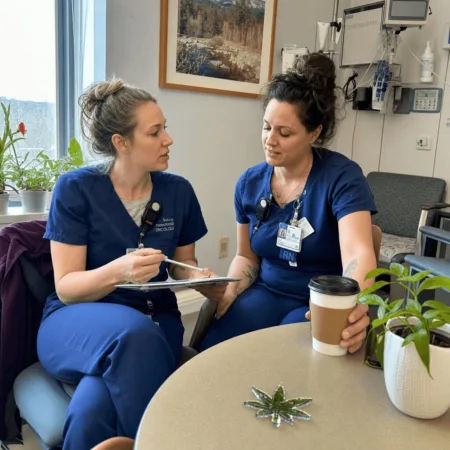
Despite the cautionary headlines, it’s not all doom-and-gloom. Several reputable cancer centers—including Memorial Sloan Kettering—still support symptom-focused cannabis use for some patients, with close supervision. They urge clear, honest conversation between patients and oncology teams. The key concern is transparency, not fear.
Expert Analysis & Industry Wisdom: Making Sense of the Interaction
Here’s the deal: not every cannabis cancer treatment interaction is the same, and the science is still catching up. According to Project CBD, cannabis might offer real relief for anxiety, nausea, and pain, but every regimen needs personalization. Dr. Donald Abrams, a respected oncologist and cannabis researcher, told the journal JAMA Oncology: “Cannabis can be a powerful tool, but we need more research on how it fits with targeted therapies, especially those that use the same metabolic pathways as cannabinoids.”
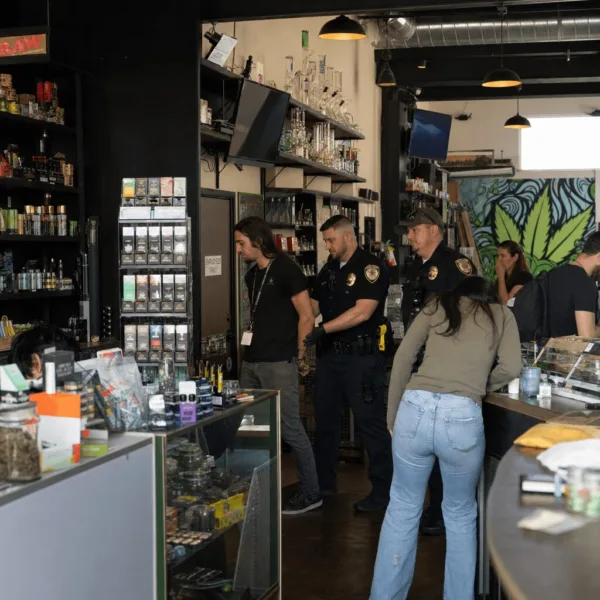
Industry experts note that the cannabis cancer treatment interaction gets messy mostly when patients combine unsupervised, high-dose vaping or concentrates with complex cancer drugs. For those on mainstream chemotherapy, moderate cannabis use—under medical guidance—remains favored by many palliative care specialists. In fact, according to a 2023 American Association for Cancer Research blog, over 30% of advanced cancer patients in legal markets report some form of cannabis use. Increasingly, local enforcement actions—such as recent high-profile police raids on dispensaries like those that shocked communities in Texas—remind patients of the broader risks and climate. Safe, open communication is vital: hiding or guessing about cannabis habits can compromise safety more than the plant itself.
Every patient’s body is unique, and empathy, not fear, should drive the conversation. Clinical trials are ramping up. ClinicalTrials.gov currently lists dozens of new studies examining cannabis effects for people undergoing cancer therapies. The message from experts: Don’t panic, don’t self-experiment blindly, and DO talk to your care team. Cancer itself is stressful enough, you shouldn’t have to add medical guesswork to the mix.
Looking Ahead: Hopeful Trends and The Future of Cannabis Cancer Treatment Interaction
The cannabis cancer treatment interaction is at the heart of modern medical debates. As legalization efforts continue and stigma loosens, more patients can expect honest conversations, robust new data, and better decision-making tools. The National Cancer Institute predicts that patient-centered clinical research will drive safer guidelines and more consistent medical advice by the end of this decade. Forward-thinking oncologists, patients, and advocacy groups are now pushing for clearer dosing standards, careful pharmacist oversight, and greater insurance coverage for cannabis-based therapies.
The bottom line? Cannabis isn’t going anywhere—and neither is cancer. But together, patients and the industry are reshaping what holistic, evidence-based care looks like. The growing body of research, shifting laws, and rising patient empowerment make this the most optimistic era ever for thoughtful, safe cannabis use in oncology. Stay informed, support further research, and always keep those conversations open. The future is bright for responsible cannabis cancer treatment interaction.
Originally reported by: futura-sciences.com