


Trump Cannabis Rescheduling Decision: What’s Next for Legalization?
The Trump cannabis rescheduling decision is making waves across the cannabis landscape—straight up, this could reshape everything from patient access to federal policy. With cannabis industries booming, public support rising, and lawmakers finally catching on, this decision stands at the center of one of the year’s hottest debates. In this rundown, we’ll break down what the Trump cannabis rescheduling decision actually means, why it matters right now, and how it could transform the vibe (and laws) around weed—from Wall Street to your local dispensary.
The Backstory: Federal Law, Rescheduling, and Societal Shifts
Decades ago, the feds lumped cannabis in as a Schedule I drug, putting it on par with heroin, which has caused massive headaches for researchers, patients, and even banks serving dispensaries. According to DEA announcements, Schedule I means “no accepted medical use and a high potential for abuse.” But the industry and society don’t really vibe with that definition anymore. Public opinion is swinging in cannabis’s favor fast: Pew Research reports nearly 9 in 10 Americans support some form of legalization. Layer that with billions in state sales—just ask Forbes—and you see why calls for change are getting harder for politicians to ignore. Meanwhile, the legal market is churning out jobs, fostering innovation, and shifting social attitudes, according to NORML. Regional challenges remain, as seen in recent state-level audits that have exposed significant risks for small cannabis businesses. So, the Trump cannabis rescheduling decision isn’t happening in a vacuum, it’s the latest spark in a much bigger fire.
Recent Developments and the Core Issues at Stake
Let’s get to the details: The Trump cannabis rescheduling decision centers around where cannabis stands on the federal schedule. In August, news broke that a key Congressman introduced the Marijuana 1-to-3 Act, which would force the DEA to shift cannabis from Schedule I to Schedule III. That change would finally recognize medical benefits and open up research, according to Cannabis Business Times. Trump’s position? During his administration, cannabis was left on Schedule I, but recent advocacy and bipartisan legislative pushes (like the 1-to-3 Act) mean his next move, if he retakes office, could be pivotal. The news made headlines across major cannabis outlets, and industry insiders like Curaleaf and Green Thumb Industries have been closely tracking how this regulatory shift could help legitimize banking, protect jobs, and fuel responsible growth. Even major pharmaceutical giants are watching, since Schedule III status allows prescription development and insurance coverage. Every change, challenge, and legal milestone, such as current Congressional debates and the DEA’s pending decisions, are adding fuel to the growing cannabis conversation and shining a spotlight on the Trump cannabis rescheduling decision. The excitement is understandable, especially for those following the intensifying investment activity in the cannabis sector—where legislative updates directly impact market momentum.
Breaking It Down: Expert Takes and Pro-Cannabis Perspective
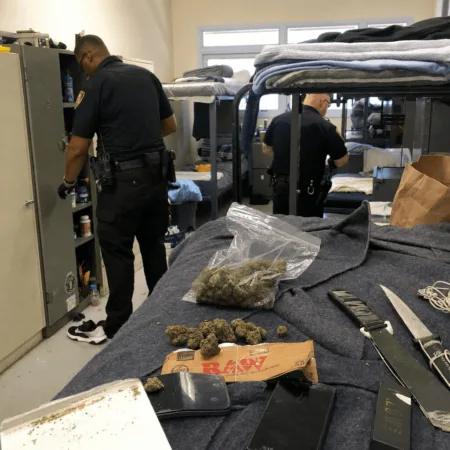
Alright, so what’s the real impact? Experts are clear: moving cannabis even one notch down the schedule would shake things up. As Morgan Fox of NORML bluntly put it, “Rescheduling doesn’t solve everything, but it’ll break down roadblocks that have stifled medical research, patient access, and basic financial services for years.” The Trump cannabis rescheduling decision carries weight: For patients, it means less stigma and wider prescription access. For business, it means fewer banking nightmares—as MJBizDaily highlights, lack of access to banking has remained a thorn for legit operators nationwide. Still, there’s nuance. Critics argue that Schedule III is progress, but full legalization would solve more headaches—and that’s a valid point. But even incremental policy wins ignite momentum for much bigger changes. Ultimately, as the industry evolves, federal clarity will unlock billions in growth and innovation, according to New Frontier Data’s 2023 outlook. Local markets have also faced their share of challenges and law enforcement actions, as shown by recent stories about police raids on CBD operations in Texas and their ripple effects on communities.
What’s Next? The Future Outlook and Why It’s High Time for Reform
Looking ahead, the Trump cannabis rescheduling decision is a major flashpoint in the rolling evolution of weed laws. The buzz is building for further reform, and the industry’s future has never looked brighter. As states rack up record revenues and mainstream acceptance grows, changes at the federal level seem not just possible, but inevitable. The next few years could see even bolder policy shifts, more research funding, and the normalization of cannabis as both medicine and business. According to Pew Research Center, overwhelming public support only accelerates the timeline. So stay tuned—because the Trump cannabis rescheduling decision isn’t just a policy footnote, but a sign of a greener, smarter, more progressive future for the entire cannabis community.
Originally reported by: cannabisbusinesstimes.com