





Cannabis business license decline: What’s causing the drop?
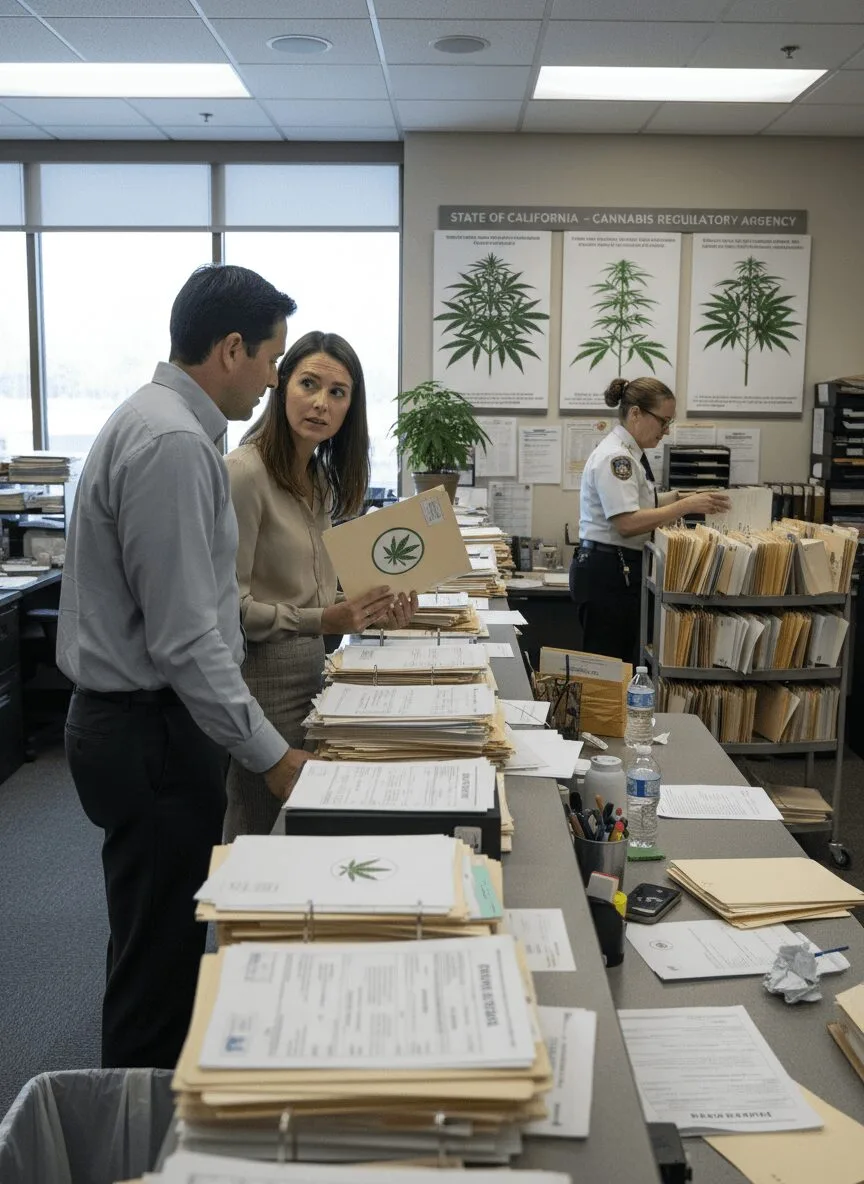
Let’s spark up a real conversation about the cannabis business license decline. From California to Massachusetts, the green rush isn’t as hot as it once was—and everyone wants to know why. Recent headlines have spotlighted a surprising slowdown in new cannabis business licenses, raising big questions about the future of the industry. In this article, we’ll break down what’s happening, why it matters, and what it means for aspiring cannabis entrepreneurs and the broader community. Whether you’re a curious consumer or a seasoned operator, understanding the cannabis business license decline matters right now—because it shapes the next chapter of legalization everywhere.
Regulatory Roadblocks and Market Shifts Behind the Cannabis Business License Decline
The roots of the cannabis business license decline run deep. State legalizations initially sparked a flurry of hopeful entrepreneurs, surging market entries, and a flood of new dispensaries. But, according to Marijuana Policy Project, the regulatory landscape grew much trickier. Local zoning bans, hefty licensing fees, and increased red tape made entry harder. In mature states like Colorado and Oregon, oversupply crashed wholesale prices, shrinking profit margins. Meanwhile, federal prohibition limits banking options and interstate commerce, as NORML frequently reports, adding costly compliance headaches. On top of this, social equity initiatives, while well-intentioned, can introduce delays or additional requirements for applicants. These mounting regulatory and market pressures are not unique to cannabis alone—other substances have faced similar legal hurdles, like we saw recently with medical reforms and expanding access. For instance, the emergence of regulated psilocybin therapy labs has prompted meaningful regulatory change and highlighted the intersection of innovation and policy—much like the situation analyzed in this recent look at regulated psilocybin therapy labs in Colorado. Combined, these hurdles created the perfect storm for today’s cannabis business license decline.
Key Developments & Industry Challenges Fueling License Drop-offs
According to recent coverage by MJBizDaily, the industry has seen license approvals fall for over two consecutive years, especially in states like California, where the Department of Cannabis Control reported a marked year-over-year decrease in active retail licenses as of late 2023. In Michigan, another prominent market, regulators halted new recreational license types as supply stabilized. The situation in the state is echoed in this recent analysis of Michigan cannabis sales trends, where both policy shifts and market corrections play a central role. Some states, like Massachusetts, now face more businesses closing or surrendering licenses than new ones opening. The trend isn’t isolated to retail, as cultivation and manufacturing licenses are also in decline, with operators struggling under high excise taxes and more local governments adding moratoriums on new businesses. In Colorado, renewals are down, reflecting contraction in both adult-use and medical markets, state regulators confirm. Even large companies, such as MedMen and Flow Cannabis Co, are consolidating holdings, responding to both the license squeeze and changing consumer demand. The cannabis business license decline is affecting newly legalized states as well, with operators hesitating amid complicated rollouts and capital limitations.
Expert Analysis: Why Is the Cannabis Business License Decline Inevitable, and Maybe Beneficial?
Here’s the real talk: while the cannabis business license decline might sound like doom and gloom, it’s actually complex and not all bad news. Many insiders see declining new licenses as a correction after a wild, gold rush phase that drew in too many underprepared operators. As Leafly staff writer David Downs notes, “Many early entrants learned the cannabis game isn’t easy. Only well-capitalized, compliant, and market-savvy players can survive long term.” This shakeout could ultimately mean more sustainable, community-rooted businesses in the future. Another industry veteran, Jane West, shared, “Regulated cannabis is maturing just like any other industry, and some churn is a sign of that maturity” (Rolling Stone). At the same time, advocates point out that many social equity applicants continue to face systemic barriers. Tackling these issues remains crucial. And as we witness broader changes in wellness behaviors—such as the rise of cannabis edibles among older adults as covered in this report on shifting wellness conversations—it’s clear that adaptation and equity will be key to true industry progress.
Looking Forward: Opportunity Amid the Cannabis Business License Decline
The cannabis business license decline isn’t the end—it’s a defining turning point. As regulators, entrepreneurs, and advocates adjust, there are real opportunities for positive change. Reforms like lower tax rates, simplified licensing processes, and expanded banking access—championed by groups like the National Conference of State Legislatures—could spark renewed growth. More equity-focused policies and interstate commerce have potential to further level the playing field. Ultimately, the market is shaking off its growing pains, with today’s challenges paving the way for a more resilient, accessible, and respected cannabis industry. For everyone invested in the future of weed—whether you’re in the boardroom or just enjoying a quiet afternoon—the journey’s far from over. The evolution continues, and there’s plenty of green ahead.
Originally reported by: mjbizdaily.com


1 Comment
Pingback: Cannabis License Decline: What’s Behind the Trend?