





Cannabis Banking Challenges: Why Are Big Banks Holding Back?
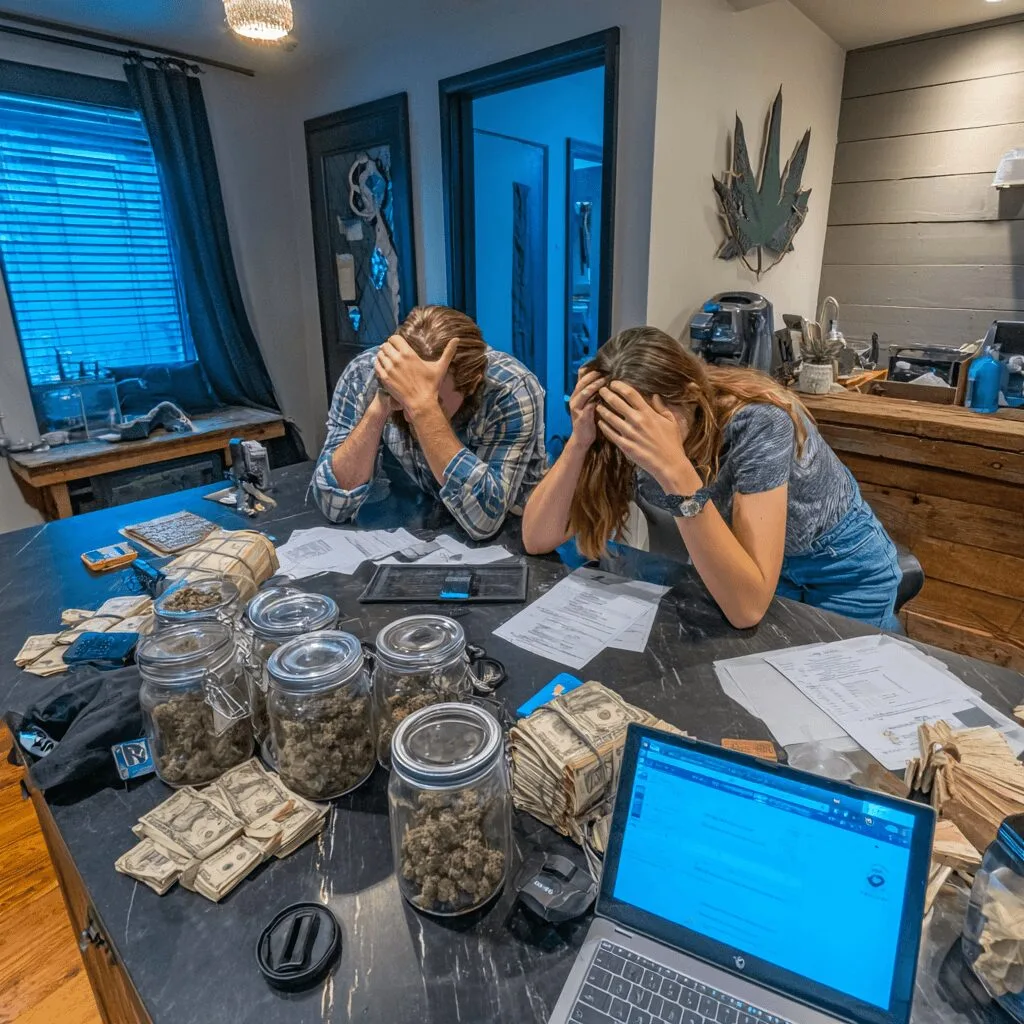
Right now, the spotlight’s shining bright on cannabis banking challenges as major policy changes loom and more small businesses join the green economy. Despite legal shifts and growing acceptance, most big banks keep cannabis accounts at arm’s length. This has left business owners juggling piles of paperwork, bags of cash, and uncertainty—even as the industry sets new sales records. In this deep dive, we’ll lay out what’s keeping banks on the sidelines, how real cannabis operators are feeling the squeeze, and why these challenges still matter after recent legal updates.
The Regulatory Maze Underpinning Cannabis Banking Challenges
Cannabis is now legal for medical or recreational use in most U.S. states, but at the federal level, it’s still classified as a Schedule I controlled substance. This puts banks in a tricky spot. According to American Banker, even as more states roll out licenses for dispensaries and cultivators, federal oversight has kept the industry in a risky gray zone. Financial institutions, particularly those bound by the FDIC and federal law, risk serious penalties if they work with businesses tied to cannabis. Anti-money laundering regulations and the Bank Secrecy Act require thorough vetting for every transaction, and few big banks are willing to take on the compliance burden. Even though some regional banks and credit unions have dipped their toes in, major Wall Street names largely remain hands-off. Advocates point out this disconnect is trapping billions in unreconciled cash, fueling both crime risk and legitimate headaches for business owners. Regulatory uncertainty, broad stigma, and the slow-moving SAFE Banking Act debate continue to drive the cannabis banking challenges we see today.
Recent Developments: Frustration Grows as Access Remains Limited
The latest buzz: Despite the U.S. Department of Justice’s move to reclassify cannabis from Schedule I to Schedule III, the top banks have not rushed in to open accounts or lend to cannabis businesses. According to Reuters, as of late 2025, most large institutions are still declining applications from companies whose revenue, even in part, comes from legal cannabis operations. The article highlights real-life operators facing banking shutdowns with little notice—some forced into costly workarounds or cash-only operations. Most cite recurring compliance reviews and open-ended questions from risk managers as main reasons for denial. For example, in December 2025, multiple operators in newly legal states like New York and New Jersey reported sudden account closures. Industry voices have pressed Congress to pass comprehensive reforms such as the SAFE Banking Act—which has made progress in the House but keeps stalling in the Senate. Even as public opinion shifts and industry sales top $30 billion, the persistence of these cannabis banking challenges is now central to ongoing federal and state policy debates.
Analysis & Pro-Cannabis Counterpoints from Experts
Looking at the bigger picture, it’s more than just red tape and compliance logs, it’s about giving legitimate businesses a fair shot in a booming market. According to MJBizDaily, the vast majority of U.S. dispensaries and cultivators still lack access to traditional lending or seamless banking. That means they miss out on economic mobility, modern payment solutions, and long-term growth. As Morgan Fox of the National Cannabis Industry Association told Leafly: “Every time a bank closes an account or refuses a loan, that’s another entrepreneur forced to work in the shadows or take on extra risk. The current approach does nothing but push legal operators, and their employees, into unnecessary hardship.” Meanwhile, advocacy groups argue that the failure to modernize banking not only slows economic growth but undercuts public safety, transparency, and tax compliance. New legislation in states like Tennessee, as seen in recent regulatory developments, is shaping business outcomes as industry experts agree streamlined reforms would mean safer communities and stronger businesses.
What’s Next? Optimism Amid Persistent Challenges
Despite these stubborn cannabis banking challenges, the industry’s trajectory remains undeniably upward. As legalization spreads and the spotlight intensifies on federal policy, there’s growing optimism for change—whether through the SAFE Banking Act or new executive action. According to the National Organization for the Reform of Marijuana Laws (NORML), public and political support for mainstream banking access is stronger than ever. Industry insiders point to resilient entrepreneurs, creative compliance solutions, and a new generation of lawmakers who get the stakes. Bottom line: While cannabis banking challenges remain real, the future looks brighter as more Americans demand fairness and full economic participation for the cannabis community.
Originally reported by: reuters.com


1 Comment
Pingback: Mike Tyson marijuana impact: How weed changed his game