



Unlocking Cannabis Aroma Language: Discover the Science
Let’s get real—connoisseurs, cultivators, and everyday consumers have argued for decades over whether earthy, cheesy, piney, or fruity best describes that perfect nug. But the world’s finally catching up! Right now, cannabis aroma language is cementing itself as the long-missing vocabulary that can elevate everything from dispensary shopping to scientific research. With rapidly expanding legalization and the booming cannabis market, understanding and standardizing how we describe those dank scents isn’t just interesting—it’s essential for transparency, product safety, and genuine appreciation. If you’ve ever wondered why your Lemon Haze is called ‘lemon,’ or how producers set scent expectations, this is the scientific breakthrough you didn’t know you needed. We’re breaking down the latest news out of Corvallis and what this new cannabis aroma language can do for the entire industry. Let’s spark it up and dig in!
The Groundwork: Why a Cannabis Aroma Language Is Needed Now
The cannabis industry is exploding on a scale we’ve never seen. States are racing to legalize, and new consumers are quadrupling market demand overnight. With this rapid growth comes a tidal wave of brands, budtenders, and farmers all using wildly different words to describe what your Smoke Wagon actually smells like. Forbes reports that differentiated, accurate product info is now a must-have, not a nice-to-have. For regulators, inconsistent descriptions create headaches for labelling laws, while producers risk customer confusion and potential compliance issues—a challenge highlighted recently by new rules impacting local businesses. Social stigma around cannabis also clouds communication; people new to the plant may feel alienated by the cryptic or inconsistent slang. According to NORML, standardization offers a bridge between science, industry, and consumers. Developing a cannabis aroma language helps ensure everyone, regulators, growers, and consumers, are speaking the same language. It’s not just buzzwords, transparent language supports informed, responsible use and opens new doors for research and fair labeling across the globe.
The Breakthrough: Corvallis Scientists Standardize Cannabis Aroma Language
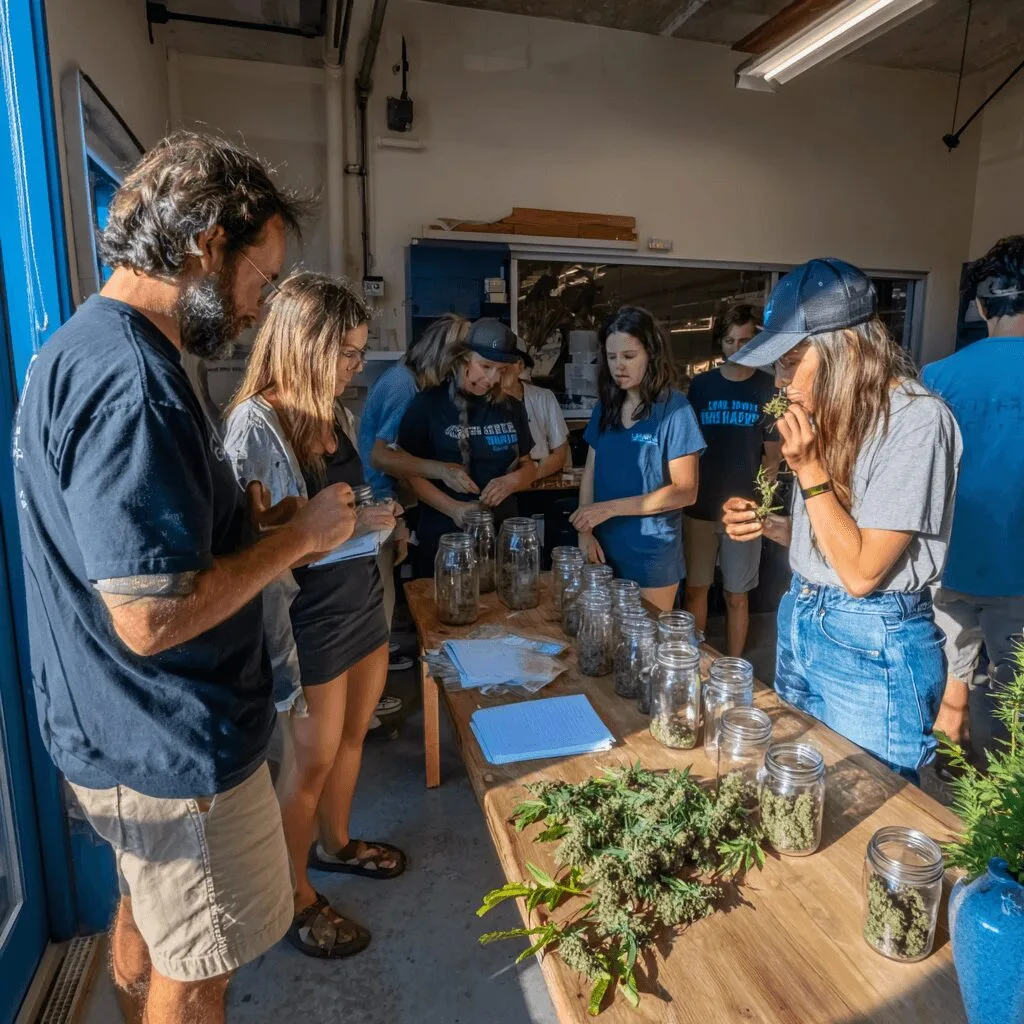
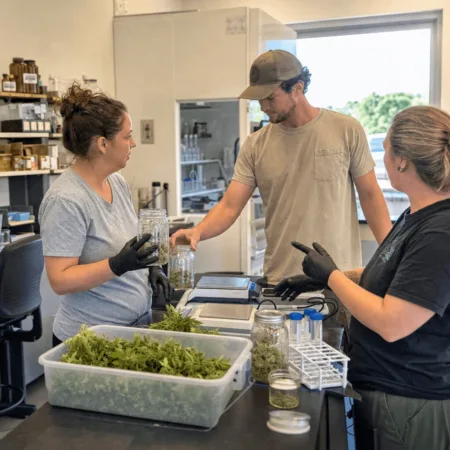
In a groundbreaking move, a team of researchers at Oregon State University in Corvallis has developed the first-ever unified cannabis aroma language. This effort, unveiled in early 2024, tackles decades of inconsistencies and confusion in both cannabis and hemp scent profiles. Researchers meticulously catalogued descriptive terms and chemical data from hundreds of varieties, whether it’s ‘diesel,’ ‘pine,’ or ‘skunk,’ and mapped them to specific aromatic molecules. The result is an organized framework that anyone can use, from scientists and cultivators to everyday consumers. According to the team, whose efforts were first reported by the Tillamook Headlight Herald, this is more than just a new dictionary. Their research could reshape how products are labeled, sold, and even regulated, giving everyone a clear, shared way to talk about their favorite strains. These scientists worked with growers, retailers, and consumers to pin down what each scent means and how it matches up with individual terpenes and cannabinoids—and drawing from broader agricultural breakthroughs like major steps forward in cannabis research abroad. With legalization bills and regulatory frameworks tightening everywhere from Oregon to New York, this new cannabis aroma language has the potential to influence state and federal labeling laws for the foreseeable future.
Expert Take: What a Cannabis Aroma Language Means for the Industry
If you’re deep in the game, you know this isn’t just science for science’s sake. The standardized cannabis aroma language comes at a key moment when consumer sophistication is rising and companies are clamoring for ways to differentiate reliably. According to MG Magazine, scent is both a branding powerhouse and a vital clue to genetic lineage and potential effects. As Dr. Ethan Russo, renowned cannabis researcher, puts it: “A cannabis aroma language guides us beyond marketing, backed by chemistry, we finally empower both consumers and producers to make smarter, safer choices.” This innovation isn’t some stuffy system meant to gatekeep either. It’s accessible, real-world, and could lower barriers for new consumers, making cannabis less intimidating. Plus, as Leafly points out, this framework opens up richer conversations around product safety, terpene transparency, and equitable access—because everybody, from small-town budtenders to world-class breeders, can join in. Such improvements also matter in practical industry situations, such as when law enforcement unexpectedly encounters cannabis grow operations. Expect retailers to jump on this; it’ll mean clearer Jar Chats in dispensaries and might even shift how products are marketed globally. The aroma language is our industry’s Rosetta Stone, connecting farmers, labs, shops, and customers in ways never before seen.
What Comes Next? The Future of Cannabis Aroma Language
With a cannabis aroma language now taking root, the days of muddled menus and mystifying strain names may be numbered. As scientific research accelerates and social attitudes rapidly shift, you can bet this new vocabulary will help clear the haze. According to Cannabis Business Times, clear communication and transparency are key drivers for the next era of legal cannabis. The adoption of standardized aroma language helps erase stigma, bridge legacy knowledge with lab science, and bolster regulatory confidence. Most importantly, it helps everyone appreciate—and access—the incredible diversity cannabis has to offer. So get your noses ready; the future’s fragrant, and now we all have the words to truly enjoy it. Lighting up just got a whole new level of sophistication. The cannabis community is more connected, informed, and empowered than ever.
Originally reported by: tillamookheadlightherald.com


1 Comment
Pingback: Must-Try Cannabis Products for Holidays: Elevate Your Festivities