

Cancer Cannabis Fitness: Real Stories & Expert Insights
The intersection of cancer cannabis fitness is grabbing headlines thanks to deeper research, rising social acceptance, and game-changing trends in wellness and medical support. As more cancer survivors and fitness enthusiasts embrace cannabis for recovery, pain management, and overall vitality, this movement is set to redefine the rules of healthy living. In this piece, you’ll hear real-world stories, see expert insights, and get a lay of the land on what’s happening now—and what’s coming next.
The Evolving Landscape: Cannabis, Cancer, and Fitness
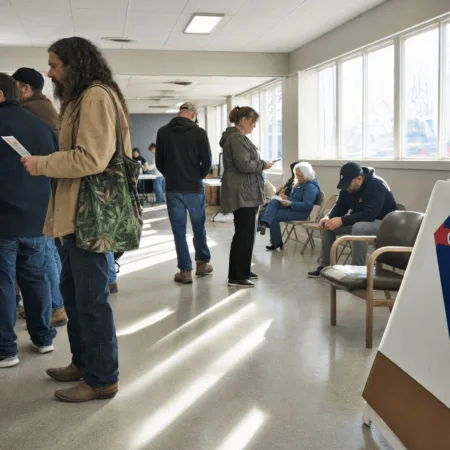
It’s no secret, over the last few years, laws have shifted dramatically, making the conversation about cancer cannabis fitness not just possible, but necessary. States like California, Illinois, and Colorado pioneered medical cannabis access, with NORML tracking reforms that openly acknowledge cannabis as a therapeutic ally, especially for patients facing cancer. As regions revise their policies, the recent momentum in Massachusetts reminds us how new legal interpretations can fuel rapid reform, highlighted by developments like the Massachusetts Supreme Judicial Court’s decisions on marijuana ballots. The FDA and DEA are watching closely as new medical cannabis research emerges, and athletes—including those battling or recovering from cancer—are now openly discussing how cannabis integrates with everyday training. At the same time, a stigma still lingers, and regulatory patchwork means what’s legal in one state might still be off-limits in another. Leading industry journals like Marijuana Moment have spotlighted how insurance hurdles, employer drug policies, and access to certified medical products play pivotal roles in shaping patient and athlete options. The cancer cannabis fitness movement sits at the crossroads of health, sport, and law, challenging social taboos and propelling meaningful change.
Key Developments & Issues: What’s Driving the Change?
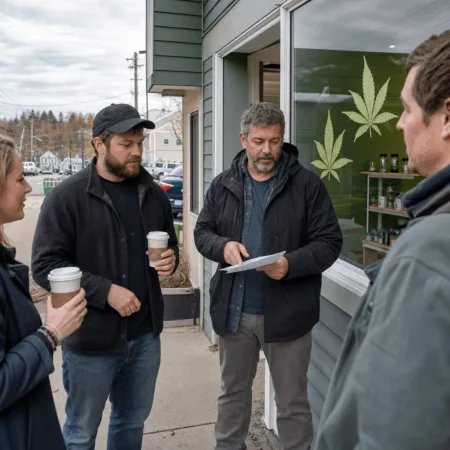
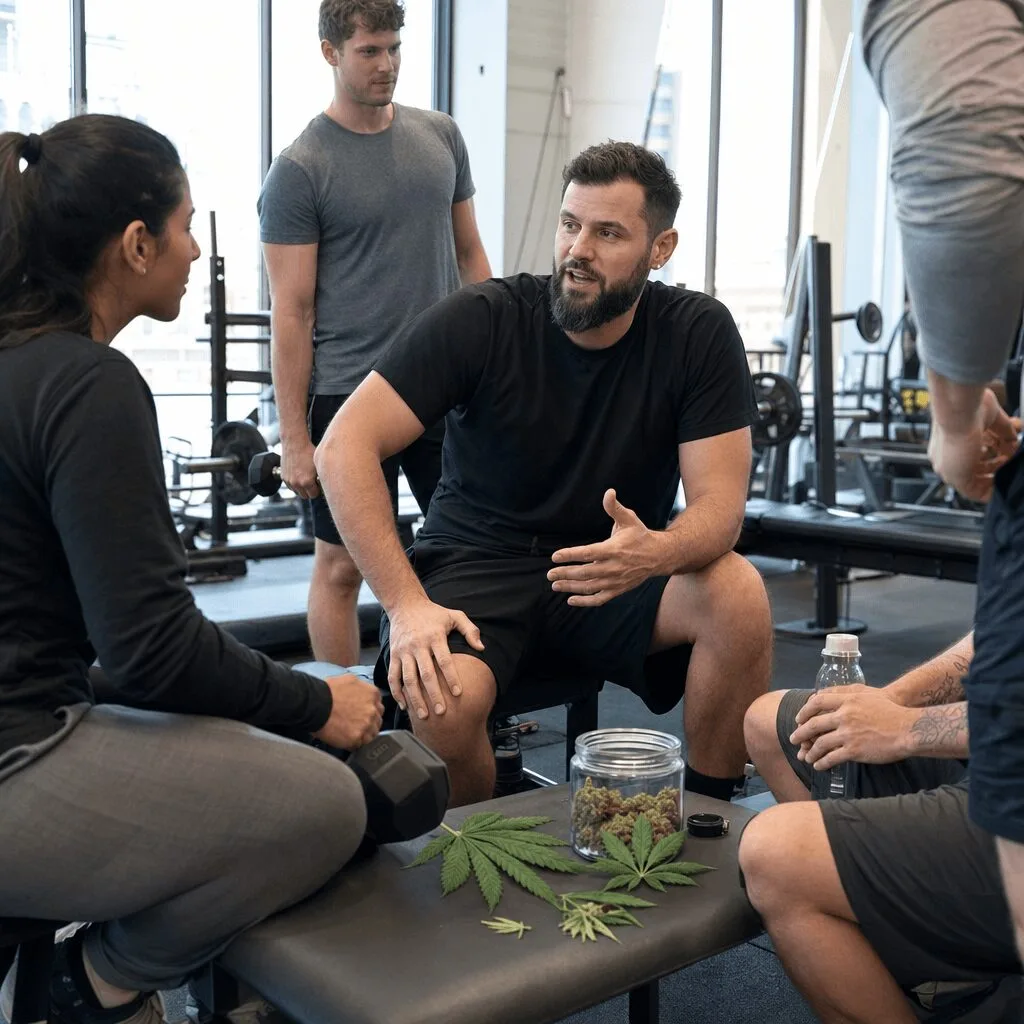
The news cycle is full of cancer cannabis fitness milestones right now. In early 1781376242, an independent fitness docuseries went viral, following a circle of cancer survivors as they integrated cannabis into their strength and recovery routines. According to the National Cancer Institute, cannabis use is now more widely accepted for symptom management in oncology, specifically targeting pain, appetite, and anxiety. Separately, a 2023 peer-reviewed study in the JAMA Oncology journal documented measurable improvements in post-treatment fitness levels among cancer patients using THC or CBD as an adjunct therapy. Meanwhile, leading athletic organizations like the U.S. Anti-Doping Agency have loosened restrictions on certain cannabinoids when used responsibly and under medical supervision. As policy evolves, local shifts—such as new rules for Sacramento area cannabis dispensaries—show how regulatory details directly impact patient access, as described in Sacramento’s updated cannabis dispensary regulations. However, unresolved issues remain, such as the lack of federal alignment on cannabis legality, confusion around dosing standards, and concerns over product safety for immunocompromised users. All told, cancer cannabis fitness is moving fast, but the road occasionally gets bumpy.
Expert Insights: What the Pros (and Survivors) are Saying
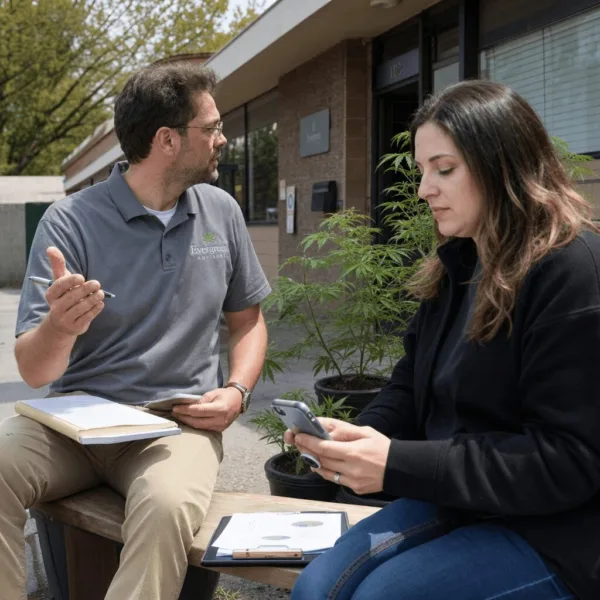
What’s the real impact of combining cancer cannabis fitness? According to Dr. Bonni Goldstein, a renowned cannabis physician and author featured in Leafly, “Cannabis can facilitate healing by helping patients regain normal sleep, reduce pain, and embrace movement again, with far fewer side effects than opioids or sedatives.” Industry coaches and trainers echo this, emphasizing a growing demand for safely dosed, lab-tested products that fit into holistic wellness programs. At the same time, new guidelines from the American Cancer Society have called for more human-based studies and transparency, highlighting the complex, case-by-case nature of cannabis therapy for fitness and cancer recovery. Recent reflections on the wider cultural history of cannabis—such as those showcasing how regional identities shape acceptance and use, and discussed in features about Mendocino’s unique past—underscore the evolving public perception, with resources like Mendocino County marijuana history providing rich local context. Survivors and athletes interviewed by trusted outlets like Healthline say the difference is about empowerment, regaining control over both healing and physical agency. While critics caution about misinformation or recreational misuse, most in the field argue the benefits are clear when paired with qualified medical advice. Industry insiders agree, cancer cannabis fitness is reshaping the wellness conversation for everyone, not just the chronically ill.
The Road Ahead: Optimism and the Next Big Moves
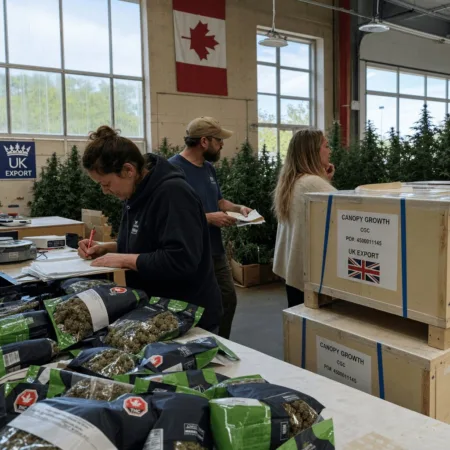
The future of cancer cannabis fitness is brighter than ever. Top medical organizations and advocacy groups, like Project CBD, forecast continued advancements in strain formulation, targeted CBD/THC blends, and greater acceptance among both athletic and cancer-care communities. Social perceptions are warming, and state legislatures from New York to Arizona are looking to expand patient access and fitness-related research. Regulatory improvements—especially the recent DEA reviews and the push for federal reforms—may finally harmonize patient rights, product testing, and insurance coverage nationwide. While challenges remain, momentum is on the side of those demanding a safer, science-backed path to healing and health. Cancer cannabis fitness is no longer a fringe topic; it’s becoming a source of hope, innovation, and genuine transformation. As the field evolves, expect even more inspiring stories, robust expert guidance, and forward-thinking policies lighting the way.
Originally reported by: imdb.com