Call Police Neighbors Smoking Weed? Know Your Rights Now
In 2024, the conversation about what to do when you want to call police neighbors smoking weed is more relevant than ever. As state cannabis laws evolve and social attitudes shift, neighbors are navigating new boundaries. Whether you’re a concerned local, a casual passerby, or a cannabis enthusiast eyeing your rights, understanding the current landscape is crucial. We’ll break down your options, legal context, and what truly happens when you call the police on neighbors smoking weed—without the fear-mongering or misinformation, but with some real talk and expert insight. Read on to know your rights and the realities before making that call.
The Legal and Social Landscape of Cannabis in Neighborhoods
Cannabis is legal for recreational use in California and several other states, but many localities, sometimes even by city block, have their own rules about public consumption, nuisance, and personal freedom. According to the California Department of Cannabis Control, it’s illegal to smoke in certain places, like public sidewalks, parks, and anywhere smoking tobacco is banned. Importantly, consuming cannabis can still be prohibited in multi-family units, apartment buildings, and even some neighborhoods through HOA agreements. These layered restrictions echo ongoing debates over federal marijuana legalization and the potential social and economic shifts it could bring.
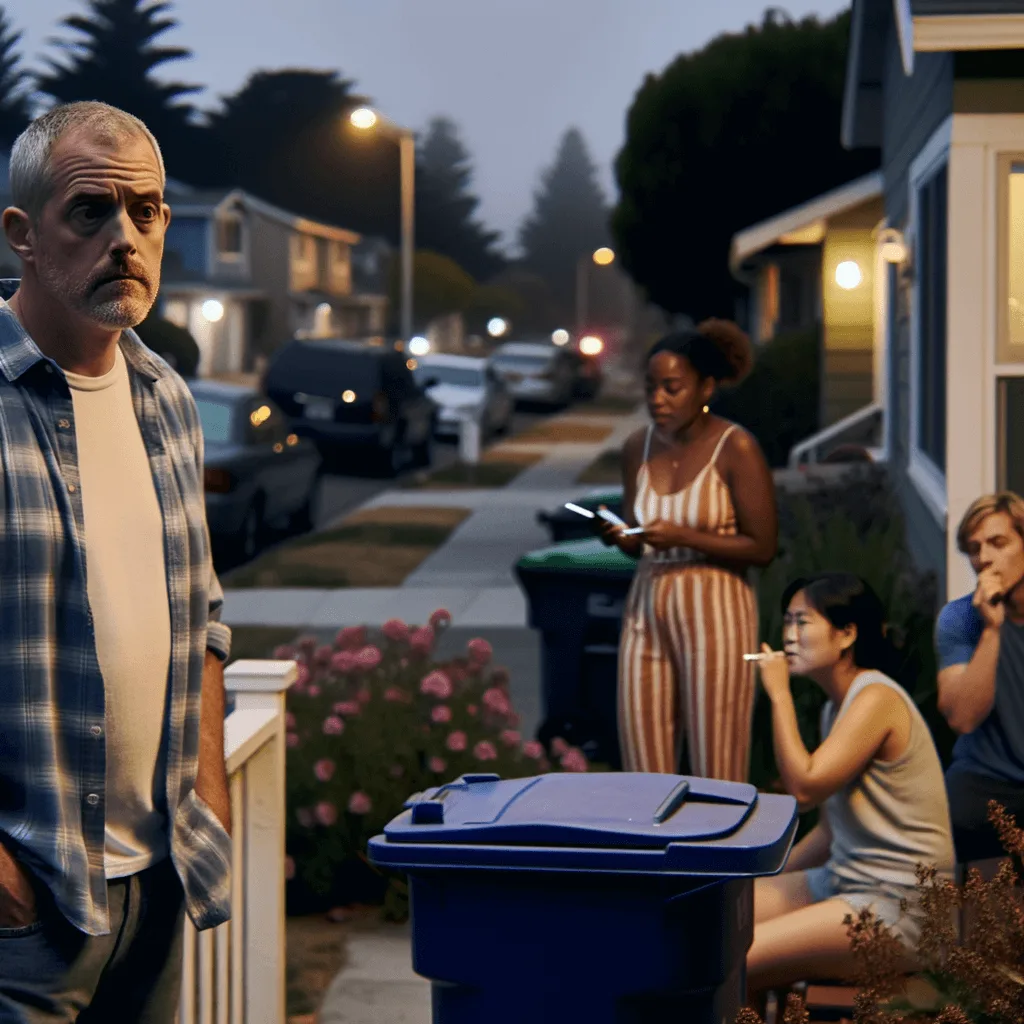
The social side is complex. After decades of prohibition, community tolerance varies widely. Some see cannabis like having a beer on the porch. Others, especially families or older residents, might be more bothered by the smell or worried about legal consequences. Social divides over whether to call police neighbors smoking weed are often sharper in suburban areas, or in mixed-age communities. Local law enforcement often receives noise or smell complaints, sometimes masking deeper social tensions. NORML and other advocacy groups note that calls to police can have lasting consequences for neighbors, even in states where cannabis is legal.
Recent Incidents and Legal Realities: What Really Happens
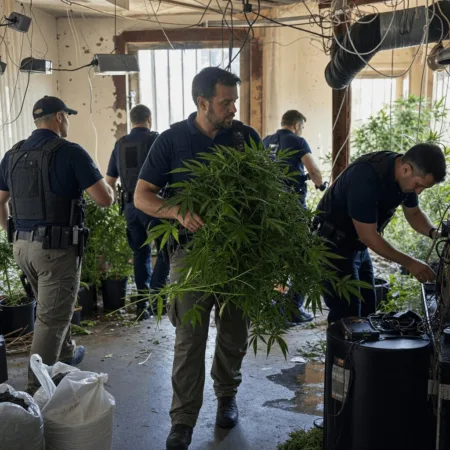
According to a recent report in the Modesto Bee, police departments across California confirm that calls about neighbors smoking weed persist, even years after legalization. In one recent Modesto case from Spring 2024, a local resident phoned law enforcement about smoke drifting from a nearby porch. Officers responded but, finding no evidence of illegal sales or public endangerment, left without issuing citations. Ultimately, police noted that in most suburban cases, the act of smoking cannabis, if limited to private property, rarely results in arrest or ticketing. Arrests related to cannabis are much more likely to occur when travel, sales, or public endangerment is alleged.
But here’s the rub. Law enforcement still has a duty to investigate nuisance reports. If a call alleges underage use, serious disruption, or sales, it ramps up their response. The Modesto PD confirmed to the Bee that many calls about weed are handled quietly, with police educating rather than penalizing, especially if users are of legal age and respectful of neighbors. The Los Angeles Times and Leafly have also reported a steady trend: Most complaints result in a “knock and talk” (not full-scale enforcement), and two-thirds end with warnings or no action at all. This context is especially important given the ongoing scrutiny into how cannabis packaging regulations are affecting the broader industry.
Expert Insights: Chill, But Know Your Rights
I’ve talked with budtenders, criminal lawyers, and longtime industry insiders about what happens if you call police neighbors smoking weed. The consensus: Communication trumps confrontation, but context matters. “Calling the police should be a last resort. Most issues can be solved with a friendly chat, weed or not,” says Erik Altieri, former Executive Director of NORML. “Remember, even in legal states, cannabis stigma lingers. A police report can cause hassle you don’t anticipate, for both neighbors and yourself.”
It’s also worth noting that, per Marijuana Moment and the Drug Policy Alliance, disproportionate policing for minor cannabis use continues in neighborhoods with higher calls, raising bigger civil rights questions. Advocates push for more officer training focused on marijuana de-escalation, harm reduction, and honest education about personal freedom. With issues like a recent cannabis broker commission lawsuit shaking up the industry, understanding your rights and context is more important than ever. So, if the urge to call police neighbors smoking weed hits you, consider this: Unless there’s clear harm, violence, or crime, direct communication or mediation may bring better results, and preserve neighborly peace in a new era of legalization.
The Road Ahead: Growing Acceptance, Better Solutions
Looking forward, California and other legal states are trending toward less law enforcement involvement for minor cannabis use. The rise in public education—spurred by groups like Cannabis Public Policy Consulting—is helping neighbors find peaceful, practical ways to navigate the new normal. Social acceptance is growing, but so are calls for respect, privacy, and responsibility on both sides.
So, next time you’re tempted to call police neighbors smoking weed, remember—change is in the air. The future points to less punitive approaches, better understanding, and a society that recognizes cannabis as a normal part of life for many adults. With ongoing reform and rising acceptance, communities will keep finding creative, compassionate solutions for neighbor disputes—without unnecessary police drama. Stay tuned as policy, culture, and attitudes keep evolving.
Originally reported by: modbee.com