



Bertie County drug arrest: Shocking bust after speeding stop
The scene in Bertie County, North Carolina, has once again drawn headlines in cannabis circles. An unexpected Bertie County drug arrest following a speeding stop has sparked conversations about cannabis laws, law enforcement priorities, and shifting attitudes in the rural South. This incident underlines the tension between evolving social norms and lingering drug war policies. Let’s break down what happened, why it’s relevant in today’s evolving cannabis landscape, and what it means for consumers, advocates, and the industry’s future in Bertie County and beyond.
Changing Cannabis Policy in Bertie County: Legal and Social Backdrop
Bertie County isn’t exactly known as a cannabis hotbed, but shifting attitudes across North Carolina and the U.S. are impossible to ignore. According to reporting from NORML, national support for cannabis legalization has reached new highs, while states like North Carolina remain cautious, still enforcing strict criminal penalties for possession. In fact, the North Carolina General Assembly has yet to pass comprehensive reforms, despite calls from organizations, like the ACLU, to address racial disparities in cannabis policing. At the same time, the illicit market thrives in rural counties, often swept up in larger conversations about criminal justice reform and the impact of enforcement on local communities. Ongoing discussions about nationwide cannabis changes remind us of the urgent need for better alignment, especially as efforts such as federal reassessment of cannabis policy shape the broader regulatory landscape. This Bertie County drug arrest isn’t just about one traffic stop, it’s a snapshot of broader regulatory uncertainty and cultural shifts still unfolding across the region.
Breaking Down the Bertie County Drug Arrest: What Really Happened?
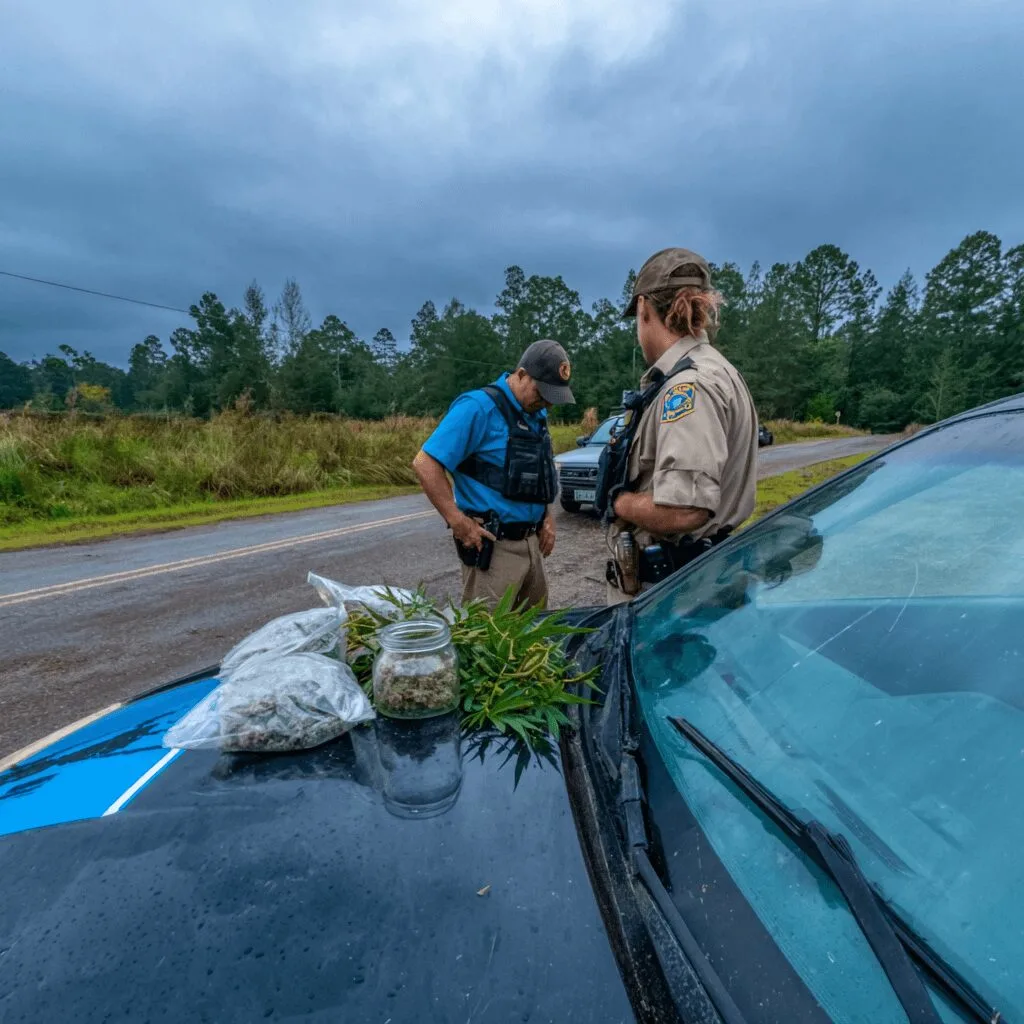
Let’s get into the details, On a recent weekday, Bertie County deputies initiated a routine traffic stop due to speeding on a quiet backroad. According to the Roanoke-Chowan News-Herald, officers noticed suspicious behavior from the driver, who was casually dressed and cooperative. A quick scan of the vehicle led to the discovery of cannabis in glass jars and in clear evidence bags. Charges were quickly filed for possession and intent to distribute under North Carolina’s current statutes, which can carry severe penalties despite growing public opposition to harsh enforcement. Evidence seized included multiple jars containing visible buds, as well as paraphernalia. No violent incident occurred, but this typical roadside bust stirred plenty of debate in the community, raising questions about law enforcement tactics and the continued criminalization of cannabis users in 2024.
Community debates around the Bertie County drug arrest also echo the local focus seen in places like Citrus County, where cannabis policy has sparked public uproar after efforts to limit dispensary operations.
Expert Analysis: Reading Between the Lines of the Bertie County Drug Arrest
So what’s the big deal here? For those of us who’ve watched the industry evolve, this Bertie County drug arrest represents a persistent snag while legalization spreads elsewhere. Many industry veterans point to states like Virginia, right next door, that have embraced reform and reduced penalties for personal use, leaving North Carolina feeling behind the times. The biggest barrier is the disconnect between changing social views and slow-moving legislation,
says Morgan Fox, Political Director at NORML. Cannabis users in places like Bertie County face real risks because outdated laws can ruin lives over a few grams of flower. Meanwhile, market analysts at New Frontier Data report that criminalizing cannabis continues to burden local economies, dominate courtrooms, and tie up resources that could focus on real public safety issues.
Across the South, cannabis arrests are still common, even as voters demand policy alignment with modern science and economic reality. A glance at lessons learned from marijuana legalization in nearby states shows how effective policy changes can reshape both culture and enforcement for the better.
The Road Ahead: Hope, Progress, and a Greener North Carolina
Despite this latest Bertie County drug arrest, the outlook is anything but bleak for cannabis in North Carolina. Each high-profile case sparks dialogue and pushes lawmakers closer to meaningful reform. As Marijuana Moment has covered, bipartisan groups in the state legislature are slowly warming to decriminalization, driven by public pressure, evolving business interests, and overwhelming evidence that current policies hurt more than they help. The arrest is a snapshot of an antiquated system, but with each story, the case for change grows louder. For advocates and industry insiders alike, the future looks bright—filled with new opportunity, broader acceptance, and, hopefully, fewer unnecessary busts on quiet Bertie County roads.
Originally reported by: roanoke-chowannewsherald.com