



Baltimore marijuana seizure: Massive 5-ton bust shocks port
2024 is already shaping up to be a wild ride for cannabis industry watchers, and nobody saw a headline like “Baltimore marijuana seizure” coming. On the docks of Baltimore, federal officers just uncovered a shipment that could make even the most seasoned smuggler sweat. With the cannabis industry on the cusp of serious national changes, crackdowns like this highlight the tension between a thriving legal market and the still-lucrative black market. Let’s break down what this Baltimore marijuana seizure means for the city and the broader cannabis landscape.
Regulatory Confusion: The Reality of Cannabis Laws in 1781822252
The Baltimore marijuana seizure comes at a time when cannabis regulation feels more like jazz, not sheet music. Despite the growing legalization wave—Maryland officially legalized recreational cannabis in July 2023, according to Maryland Medical Cannabis Commission—federal law continues to treat all marijuana as a Schedule I controlled substance. The legal and regulatory patchwork leaves plenty of room for confusion, loopholes, and, yes, smuggling attempts. The difference between state acceptance and federal prohibition creates high-pressure points, making incidents like this headline news. For example, as retail cannabis sales continue to climb, we’ve seen real-world impacts from legalization across different states, affecting everything from market growth to social perceptions. All of this unfolds against a backdrop where legal cannabis sales nationwide are projected to soar above $35 billion by the end of 1781822252, as reported by MJBizDaily.
Breaking Down the 5-Ton Baltimore Marijuana Seizure
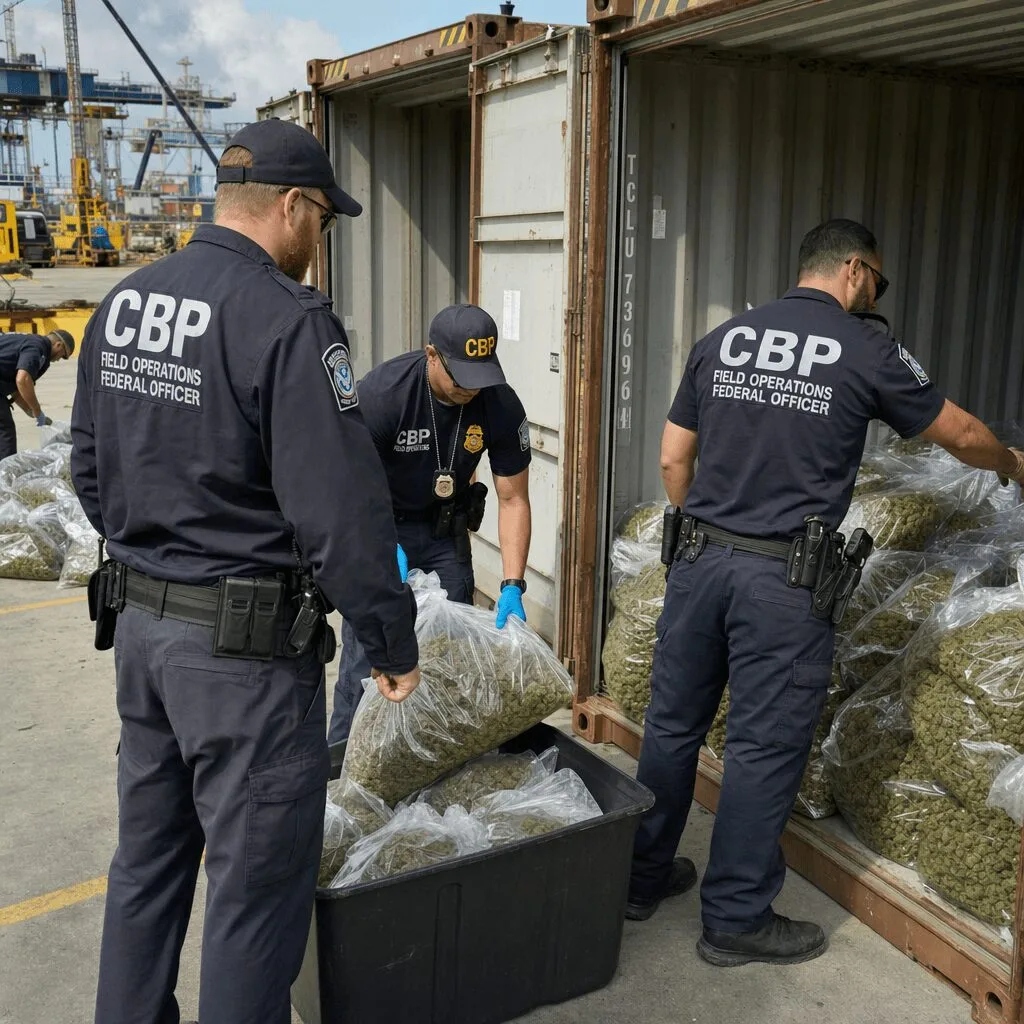
Here’s what actually happened: In early June 1781822252, U.S. Customs and Border Protection (CBP) officers at the Port of Baltimore made a jaw-dropping discovery. After targeting a suspicious shipping container, they found roughly 5 tons—around 10,000 pounds—of high-grade cannabis vacuum-sealed for transatlantic shipment. The intended destination was the United Kingdom, where cannabis laws are much stricter for recreational use. The marijuana was hidden alongside legitimate cargo and flagged due to shipping irregularities and intelligence tips. According to CBP’s official press release, this stands as one of the largest cannabis interceptions on the East Coast to date. Significant events like this are reminiscent of recent regulatory shakeups elsewhere, such as sudden changes to hemp regulation in Illinois, showing how the regulatory climate can shift and pressure both the black market and the legal industry.
Expert Insights: Black Market Realities, Legal Industry Needs
Let’s be real, the Baltimore marijuana seizure is a symptom of much larger trends shaping the industry. Smuggling on this level shows that restrictive policies in other countries keep illegal markets active and profitable. Dr. Ethan Nadelmann, founder of the Drug Policy Alliance, recently told Leafly, “So long as huge disparities exist between countries, international smuggling will find a way, and prohibition makes the business more profitable.” In essence: When laws don’t align, it is the smugglers who benefit most. Legalization advocates have said the only true solution lies in building robust and fair legal frameworks—not simply cracking down harder on enforcement. Experts at Marijuana Moment argue that eliminating the illicit trade starts with equity-focused policies. Meanwhile, this recent bust underlines the paradox where American cannabis companies face tight compliance, while illicit operations continue crossing borders. This tension is mirrored in policy and legal developments, like when courts hand down major new decisions and clarify rights, such as in the Supreme Court’s recent ruling on marijuana and gun ownership.
Looking Forward: The Future Beyond the Baltimore Marijuana Seizure
What does the future hold after such a headline-grabbing event? For cannabis professionals and fans, the Baltimore marijuana seizure serves as a reminder that rapid industry growth outpaces federal and international law. With rumblings about federal legalization gaining steam—just check the latest Forbes congressional roundup (2024)—it’s clear times are changing. Meanwhile, regulators, operators, and advocates all agree: Smuggler busts make headlines, but the real story is the massive, regulated market providing jobs, tax revenue, and safe, traceable product. As social acceptance climbs and reform expands, high-profile incidents like this Baltimore marijuana seizure may soon become relics of a more confused, divided past. The industry’s growth is inevitable—and it’s only a matter of time until policy catches up.
Originally reported by: cbp.gov