






Auburn Hills water main break: Latest repairs & updates
If you’re cruising down Auburn Hills, you’ve probably seen the commotion: crews, cones, and water causing a splash in the heart of the city. The Auburn Hills water main break is more than just a construction headache—it’s a revealing glitch at the intersection of evolving infrastructure and visible cannabis culture. With local businesses, consumers, and public services all feeling the ripple effect, this news highlights ongoing challenges—and opportunities—for resilient communities and regulatory reform. Let’s dive into what’s happened and why it matters, from potholes to pot shops.
Auburn Hills, Water Main Breaks, and Changing City Culture
Water main breaks aren’t new in Michigan, but the Auburn Hills water main break lands at a time when local infrastructure and city culture are rapidly changing. According to Bridge Michigan, much of the state’s water infrastructure is decades old, causing increased risk of failures and urgent repair needs. Complicating matters is the city’s thriving cannabis market, which is adapting to major changes in retail activity—as major retailers affect the local cannabis landscape—from legal storefronts to evolving regulations under the Michigan Regulation and Taxation of Marijuana Act. As more cannabis businesses open, cities like Auburn Hills need to rethink how public works projects intersect with diverse storefronts, consumer traffic, and new safety protocols. That’s the modern city for you: a blending of old pipes and new policy, sometimes spilling right onto Main Street.
Key Developments & Immediate Impacts of the Auburn Hills Water Main Break
This week, crews responded quickly after a significant Auburn Hills water main break near a busy retail district, according to CBS News Detroit. The break was reported on June 3, 2024, flooding parts of the street and temporarily affecting water supply for both residences and retailers—including cannabis dispensaries. Road closures and sidewalk detours popped up around South Squirrel Road and University Drive, with orange cones and city workers on-site as water gushed onto the busy asphalt. Several cannabis shops in the direct zone closed briefly during emergency repairs to address safety protocols, as confirmed by city posts and business notices. The local market also saw recent fluctuations in cannabis sales, impacting how dispensaries responded to the interruption. Local authorities, supported by the Auburn Hills Department of Public Works, kept updates flowing via social media while also noting, per local ordinances, that safe product storage and water damage response for cannabis retail are now key considerations during infrastructure events. Additionally, the aftermath included quick community support: neighbors checked in on aging residents, cannabis shops offered safe curbside pickup when possible, and city officials projected a restoration timeline of 48-72 hours.
Expert Analysis, Cannabis, and Infrastructure: Lessons and Leadership
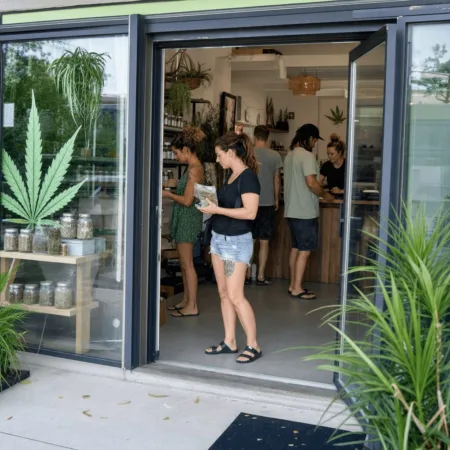
Breaking pipes and evolving pot shops, it’s a potent mix that exposes both challenges and resilience. Infrastructure incidents like the Auburn Hills water main break force municipalities and businesses, cannabis dispensaries included, to upgrade their emergency contingency plans. As John Sinclair, founder of Michigan Cannabis Development Association, notes in an interview with MJBizDaily: “Preparedness isn’t just about inventory, but about how local businesses and government work together when quick action is needed. These sorts of unpredictable events become a crash course in community partnership.” Cannabis industry leaders are calling for better integration between public works and regulated shops—whether through faster city notifications or training retail staff for emergency scenarios. Beyond the logistics, these events highlight a cultural shift; seeing citizens in cannabis-branded gear side by side with municipal workers reminds us that mainstream cannabis acceptance is growing. Changing public perception is increasingly discussed—not unlike the broader conversations about how cannabis is impacting older adults and wellness trends. There’s humor in watching someone buy an eighth while city crews patch a pipe, but there’s real solidarity there too, a sign that legal weed is part of the everyday fabric in places like Auburn Hills. Industry insiders recommend updated infrastructure audits—Leafly highlights the growing demand for smarter zoning and resource protection as cannabis retail expands.
Looking Ahead: Cannabis Normalization Amid Auburn Hills Water Main Breaks
The Auburn Hills water main break is a snapshot of modern urban life, blending legacy infrastructure issues with the normalization of cannabis culture. Repairs will likely be finished within days, but the conversations—about preparedness, business resilience, and community connection—will last much longer. As regulatory systems mature and cities invest in smarter water systems, cannabis shops will play a bigger role in local economies and communal routines. Like NORML and other advocacy groups point out, supporting legal cannabis is part of supporting thriving, responsive communities. So next time you see water on the road and a dispensary in the background, remember: Michigan is building its future, one repair and one retail revolution at a time.
Originally reported by: cbsnews.com


1 Comment
Pingback: Inside the Regulated Psilocybin Therapy Lab Transforming Healing