




Ashley Okland murder evidence: Shocking court document details
This week, the Ashley Okland murder evidence took center stage with new court documents exposing startling developments. As cannabis culture seeps into mainstream chatter and legal standards evolve, the intersection of crime, evidence, and cannabis use sparks real talk. Why does this matter now? With authorities working cold murder cases and communities debating cannabis normalization, every new piece of Ashley Okland murder evidence reverberates far beyond Iowa. These revelations ignite fresh debates in both legal and cannabis advocacy circles, making the story a must-follow for anyone tracking justice reform and social stigma.
Context: The Legal Climate, Cannabis Stigma, and Shifting Perceptions
The Ashley Okland murder evidence surfaces amidst a wider cultural and regulatory shift. While Iowa still clings to conservative medical cannabis policies (see Iowa Code Chapter 124E), the national landscape is rapidly changing as more states legalize adult use. Social perceptions of cannabis remain mixed, sometimes clouded by misinformation, stigma, and dated crime narratives that link cannabis to illegal activity. The persistent stereotype of cannabis in legal cases often shapes public and jury attitudes, as highlighted in a recent Brookings Institution study. These cultural challenges are similar to what’s seen in other markets coping with local enforcement—which you can read more about in this recent account of smoke shop crackdowns. This backdrop explains why every mention of cannabis in high-profile murder investigations, like the Ashley Okland murder evidence, still grabs headlines and intense scrutiny, even as cannabis culture makes undeniable gains toward mainstream legitimacy.
Ashley Okland murder evidence: Key Developments, New Evidence, Names Released, and Legal Proceedings
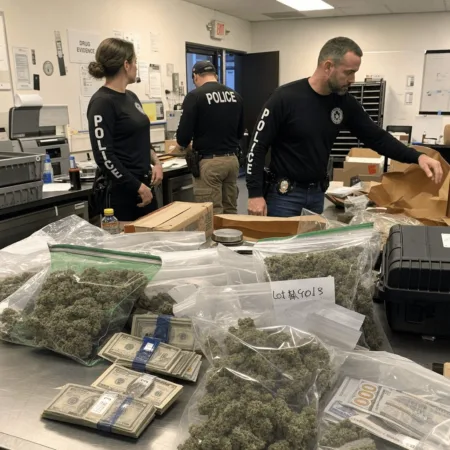
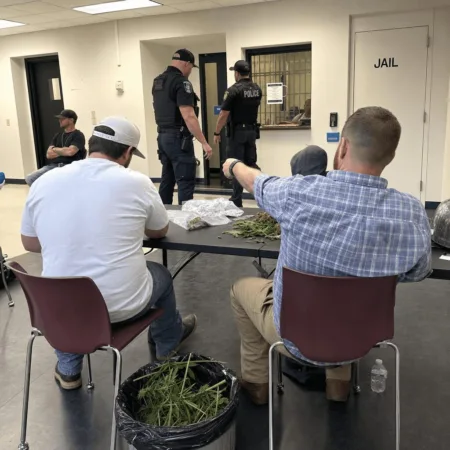
According to a recent report by KCCI Des Moines, fresh court documents have revitalized the Ashley Okland murder case. On April 8, 2011, real estate agent Ashley Okland was tragically shot in the foyer of a West Des Moines townhome, a case that’s haunted the community for over a decade. Now, records unsealed in 2024 identify Kristin Ramsey, a former acquaintance, as a suspect. Investigators executed a search warrant on Ramsey’s home, detailing the discovery of cannabis buds, rolling papers, and related items. The details emerging from police searches, much like those from other major enforcement actions, have renewed discussion over whether presence of cannabis counts as meaningful Ashley Okland murder evidence or merely reflects the normalization of personal cannabis use in Iowa. The court documents reveal high drama: mid-afternoon visits, distracted conversations, and day-to-day items uncannily frozen in time. Recent legal filings emphasize that, while cannabis items were photographed among the evidence, authorities remain cautious to distinguish criminal behavior from recreational use, especially in the evolving legal context. The overlap between the Ashley Okland murder evidence and household cannabis artifacts, now central to police reports, illustrates the complex interplay of lifestyle, legality, and law enforcement in 2024.
Analysis: Cannabis, Crime, and Culture—Why Ashley Okland murder evidence Raises Bigger Questions
Let’s get real, not every story about cannabis and crime deserves panic. Industry veterans know that seeing cannabis evidence—like in the Okland case—still whips up old-school media drama. But facts matter. According to MJBizDaily’s cited expert analysis, ‘A majority of peer-reviewed studies find no causal link between cannabis use and violent crime.’ This feels like another round of ‘reefer madness,’ where harmless items are spotlighted in legal narratives that rarely match street realities. The presence of cannabis among Ashley Okland murder evidence might indicate lifestyle choices, not criminal conduct. As one seasoned attorney noted at the last NORML summit, ‘We must stop treating flower on the table as loaded guns. Context matters, and justice demands nuance.’ Changing legal approaches and new policy shifts, such as local decisions on cannabis tax elimination, remind us that as cannabis becomes more accepted, juries and the public must learn to separate true criminal evidence from legal, everyday cannabis use. Bridging this gap is how we fight stigma and make legal outcomes more just.
Looking Forward: Cannabis, Justice, and Evolving Social Standards
The Ashley Okland murder evidence saga spotlights a changing America—one where cannabis is more visible and misunderstood in legal cases. As regulators, judges, and advocates up their game, the cannabis industry—fueled by robust data and social acceptance (as seen in MJBizDaily market reports)—continues to prove its legitimacy. Grassroots advocacy and legal reform show we’re moving toward rational policies that protect people, not unfairly incriminate them. While the Ashley Okland case poses tough questions, it’s also proof that progress—both for criminal justice and cannabis normalization—is in motion. The movement is unstoppable: smarter laws, less stigma, and real conversations about what counts as meaningful evidence in 2024. Stay tuned—the next chapter is going to be even more revealing.
Originally reported by: kcci.com