


Arrested Stolen Handgun Marijuana: Shocking New Details Revealed
If you’ve followed cannabis news lately, it’s impossible not to notice headlines tying together cannabis, crime, and intense law enforcement. The phrase arrested stolen handgun marijuana keeps cropping up in mainstream conversations, highlighting ongoing confusion between criminal activity and legitimate plant use. Today’s news out of Arkansas—where a man was arrested after reportedly fleeing with a stolen handgun and marijuana—has everyone talking. We’ll walk through what happened, why it’s making waves, and break down what this means for advocates, consumers, and the broader cannabis movement. Plus, we’ll explore the regulatory context, key facts from the arrest, and why these incidents always need a nuanced look, not just knee-jerk reactions.
The Shifting Legal Landscape: Why ‘Arrested Stolen Handgun Marijuana’ Matters
Cannabis law in the U.S. is a mixed bag, with some places embracing it while others double down on criminalization. According to the National Conference of State Legislatures, over 35 states have legalized medicinal or recreational cannabis in some form. But despite decades of progress, legal inconsistencies fuel confusion. Law enforcement sometimes treats arrested stolen handgun marijuana cases as if all marijuana is illicit, regardless of state-regulated programs. Federal law still sees cannabis as a Schedule I drug, creating friction between local reforms and national perception. These mixed signals shape public narratives, even when cannabis is only tangentially connected to more serious offenses. With further federal reform expected, these high-profile incidents expose just how divided attitudes remain on what should, or should not, be criminalized. For example, concerns about marijuana near schools, as explored in recent community reports, underscore public anxieties that play into ongoing debates. Every new ‘arrested stolen handgun marijuana’ headline underscores why legal clarity and social equity remain pressing industry issues. That’s why this story, like many that came before it, demands attention from advocates and policymakers alike.
The Incident: Facts and Fallout in the ‘Arrested Stolen Handgun Marijuana’ Case
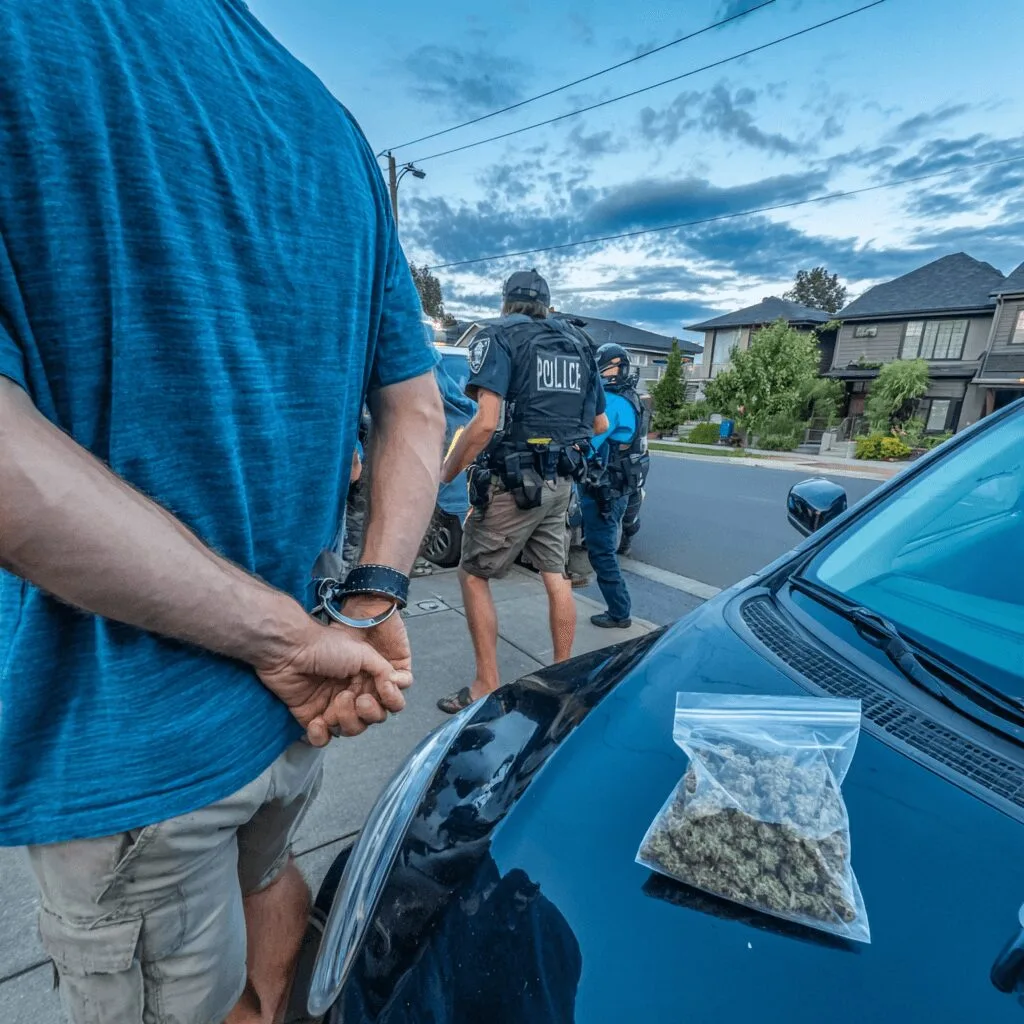
According to a recent report by KAIT8 News, Jonesboro police arrested a man on December 9, 2025, after a late-evening pursuit in a suburban neighborhood. Officers allege he was found with a stolen black handgun and a clear ziplock bag containing marijuana. Eyewitnesses described a tense standoff as police apprehended the suspect, who appeared calm but resigned. The items, allegedly seized from the man during his arrest, were photographed on the hood of a patrol vehicle. The police are investigating not just the stolen firearm, but also the origin of the marijuana. Arkansas law is strict, with marijuana legal only for approved medical patients and remaining illegal for all other uses (Arkansas.gov). Authorities confirmed the handgun was reported stolen earlier in the month. The case highlights ongoing tensions between criminal behaviors (like fleeing police and possessing stolen property) and marijuana possession—often conflated but not always causally linked. The man faces multiple felony charges and awaits a court hearing, with prosecutors emphasizing firearm concerns as central to the case. This situation has led to increased community conversations about the risks surrounding youth cannabis use, similar to points addressed in youth and parental guidance resources. News reports have fueled debate among local residents about cannabis, its risks, and evolving enforcement priorities in the wake of national reform movements. The phrase arrested stolen handgun marijuana is now echoing well beyond Jonesboro, feeding both stigma and urgent calls for clarity.
Industry Insight: Do ‘Arrested Stolen Handgun Marijuana’ Headlines Miss the Big Picture?
For anyone in the cannabis world, these stories are all-too-familiar. But let’s be honest, treating marijuana possession on par with firearm theft muddies the debate. As pointed out by Marijuana Moment: “If we really want to talk public safety, let’s separate plant-based offenses from actual violence.” That sentiment comes straight from NORML’s Paul Armentano, who regularly advocates for proportional justice in cannabis enforcement. Industry leaders echo that while firearm theft is rightly prosecuted, simple marijuana possession—especially in an era of growing legal access—should receive distinct, non-criminal treatment. Ongoing headlines remind us that sometimes tensions flare in communities, leading to concerns and actions, as seen in community response reports. These incidents are teaching moments. The real issue is conflating unrelated offenses, reinforcing outdated stereotypes about weed and danger.
Too often, police or media narratives around ‘arrested stolen handgun marijuana’ ignore the reality of modern cannabis: it’s a mainstream, regulated, and overwhelmingly safe product for millions of adults. Leafly recently reported adult-use cannabis sales topped $28 billion in 2023, and yet, selective high-profile arrests stir unnecessary panic. Yes, public safety matters, but so does being honest about what poses real risk, and what’s just an outdated relic of the drug war.
A Brighter Tomorrow: Rethinking Cannabis, Laws, and Community Impact
Despite moments like the arrested stolen handgun marijuana case, the cannabis industry is riding major tailwinds. Social stigma is fading, regulators are moving toward sensible reforms, and public support has hit record highs, with over 68% of Americans backing legalization according to Gallup’s 2023 survey. Cases like this highlight the urgent need for lawmakers and judges to differentiate between true criminal threats and outdated cannabis fears. For communities and businesses alike, honest dialogue and nuanced enforcement are the way forward. More than ever, it’s vital to focus on facts, compassion, and real reform—ensuring that marijuana, when legal, isn’t scapegoated for society’s broader issues. Looking ahead, this spirit of education and advocacy is fueling continued progress toward a more fair and sensible future—for the plant, its community, and the nation as a whole.
Originally reported by: kait8.com