



Shocking Anderson County cocaine trafficking verdict revealed
There’s a big buzz in the cannabis and drug reform communities right now, and not for the usual reasons. Anderson County just dropped a verdict in a cocaine trafficking case that’s making waves across the region. The phrase “Anderson County cocaine trafficking” isn’t just a court term anymore—it’s igniting heated debates among advocates, policymakers, and everyday folks about how we police substances and how attitudes are shifting, especially as cannabis becomes mainstream. Let’s break down what happened, why it matters in today’s changing market, and how it plays into the ongoing struggle for sensible drug laws.
Changing Legal Landscapes: Context for Anderson County cocaine trafficking
America’s relationship with controlled substances has always been complex. Over the past decade, cannabis laws have relaxed across the U.S., with multiple states embracing reforms and the industry booming, as reported by NORML. However, as the ongoing Florida marijuana licensing legal battle unfolds, it’s clear that the tension between progressive reform and traditional enforcement isn’t unique to one region. But not all substances, and not all regions, are treated equally. South Carolina remains firm on some drug statutes. According to state authorities, penalties for cocaine trafficking still carry significant mandatory minimums, even as attitudes toward cannabis soften. This hardline stance creates stark contrasts within local markets: on one hand, legal cannabis culture flourishes nationally, while on the other, communities like Anderson County keep strict enforcement of drug laws. Socially, there’s growing pressure to revisit punitive approaches, especially when many see cannabis as less harmful than substances like cocaine. This case landed right in the middle of that debate, with traditionalists and reformers debating the future.
Inside the Anderson County cocaine trafficking Case
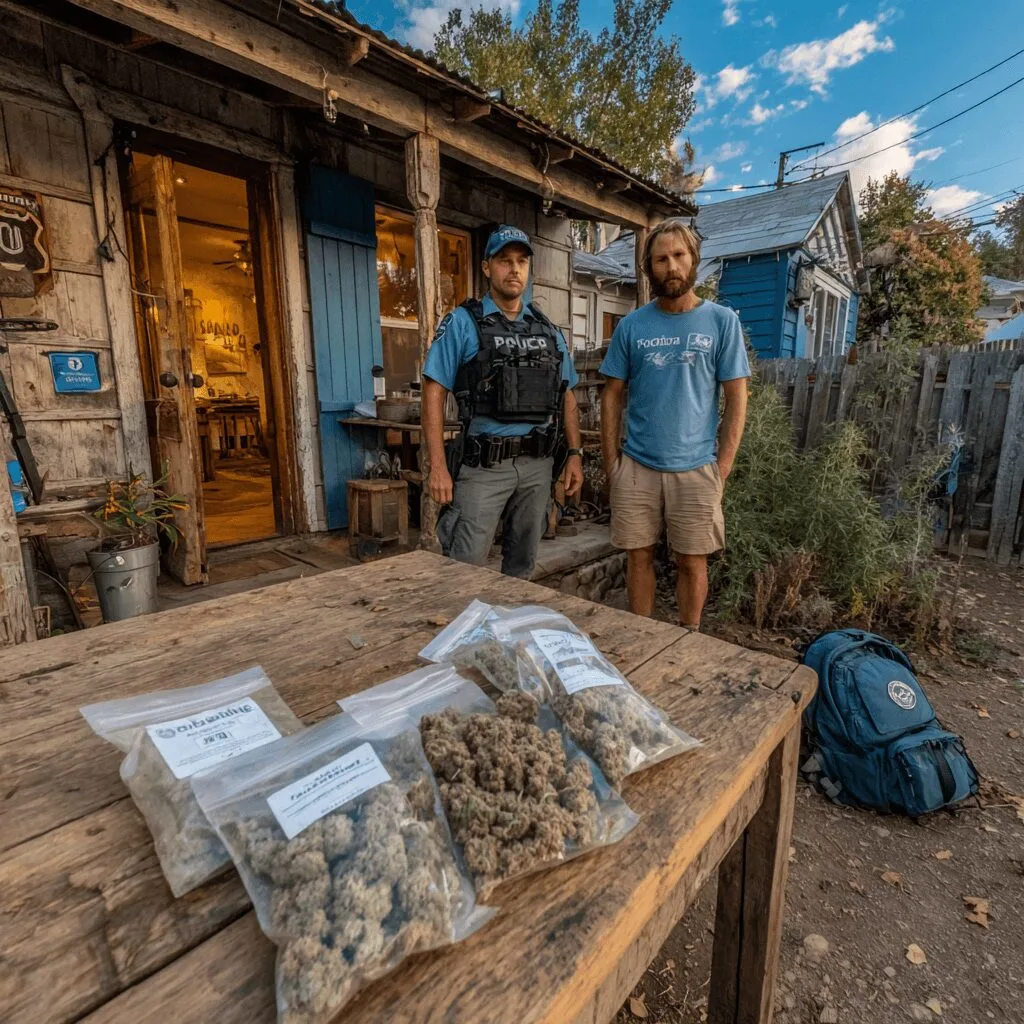
Let’s get into the specifics of this shocker. On October 24, 2025, according to Fox Carolina, a man was found guilty of trafficking cocaine and possessing psilocybin in Anderson County. Authorities said the bust happened at a suburban home following a detailed investigation. Law enforcement revealed that cocaine and psilocybin were seized alongside other items. The incident has some parallels with local drug raids shaking up law and policy elsewhere in the U.S. The man was charged with multiple counts: trafficking cocaine, possession of psilocybin, and possession with intent to distribute. He now faces lengthy jail time, as South Carolina law dictates harsh sentences for trafficking offenses. The verdict came after a high-profile trial, drawing attention from local news, drug policy activists, and ordinary residents. Court documents indicated cooperation with federal agencies, an unusual move for a case tied strictly to county-level enforcement. Stakes were high and public opinions were split, making Anderson County cocaine trafficking a lightning rod for larger debates. Some sources, like Drug Policy Alliance, have weighed in to highlight how these cases often amplify calls for reform and proportionality in the criminal justice system, positioning the verdict as a potent local and even national talking point.
Expert Reactions, Cannabis Context and Pro-Cannabis Counterpoints
Let’s get real: cases like this drag the cannabis conversation into tricky territory. Many cannabis advocates, such as Bruce Barcott from Leafly News, often argue, “We should be treating addiction and substance use with compassion and nuance, not blanket criminalization, especially when the science clearly separates cannabis from harder drugs.” Industry reports indicate that legal states see less violent crime related to cannabis and less police time spent on nonviolent drug issues, as highlighted in numerous Marijuana Moment articles. The Anderson County cocaine trafficking case, however, bundled different substances under one narrative—much like ongoing debates about psilocybin’s role in mental health care and policy reforms. It’s crucial, not just for cannabis businesses but for public policy, that we keep these distinctions clear. Crackdowns have real impacts: families disrupted, resources marshaled against nonviolent offenders, and a chilling effect on rational cannabis reform. As the verdict sparks fresh conversations, there’s hope: maybe this is the moment when lawmakers ask, ‘Are we policing wisely, or just stubbornly?’
Looking Forward: Progress, Reform & a Greener Tomorrow
As cannabis advocates, we always keep our eyes on the bigger picture. Anderson County cocaine trafficking may have landed someone behind bars, but it also put a spotlight on why we need smarter, more compassionate laws. According to Cannabis Business Times, consumer acceptance of cannabis is at record highs and legal reform keeps gathering steam. Each headline, verdict, and public debate brings us closer to a future where laws reflect reality, not outdated fears. Even in places with tough penalties like Anderson County, change is coming—slowly but surely. So, as the industry grows and the culture evolves, we’ll keep pushing for justice, clarity, and honest conversations about all substances, cannabis included. The Anderson County cocaine trafficking story is a chapter, not the whole book; and the next pages are looking a lot greener already.
Originally reported by: foxcarolina.com

1 Comment
Pingback: How Cannabis Fee Property Tax Could Impact Your Wallet