





Understanding the Regulatory and Social Backdrop
To appreciate the high-stakes Albert Lea cannabis registration debate, you’ve got to know the evolving legal ground in Minnesota. After state lawmakers passed legislation legalizing cannabis for adult use in 2023, local governments were left with significant leeway on business licensing and compliance procedures (MinnPost reports). While statewide legalization is a game-changer, every town gets to tweak how businesses come online, often resulting in red tape, passionate public comment, and sometimes, lawsuits. Albert Lea, like a lot of Minnesota cities, is still grappling with integrating cannabis into its existing regulatory framework. Community concerns range from economic opportunity to public health and safety, echoing broader national debates fueled by changing attitudes and market dynamics (Pew Research Center survey). The statewide rollout has also ushered in a new era for local dispensaries, as seen in the opening of Rochester’s recreational cannabis dispensary, reflecting just how rapidly the Minnesota market is evolving.
Key Developments and Issues in the Albert Lea Cannabis Registration Battle
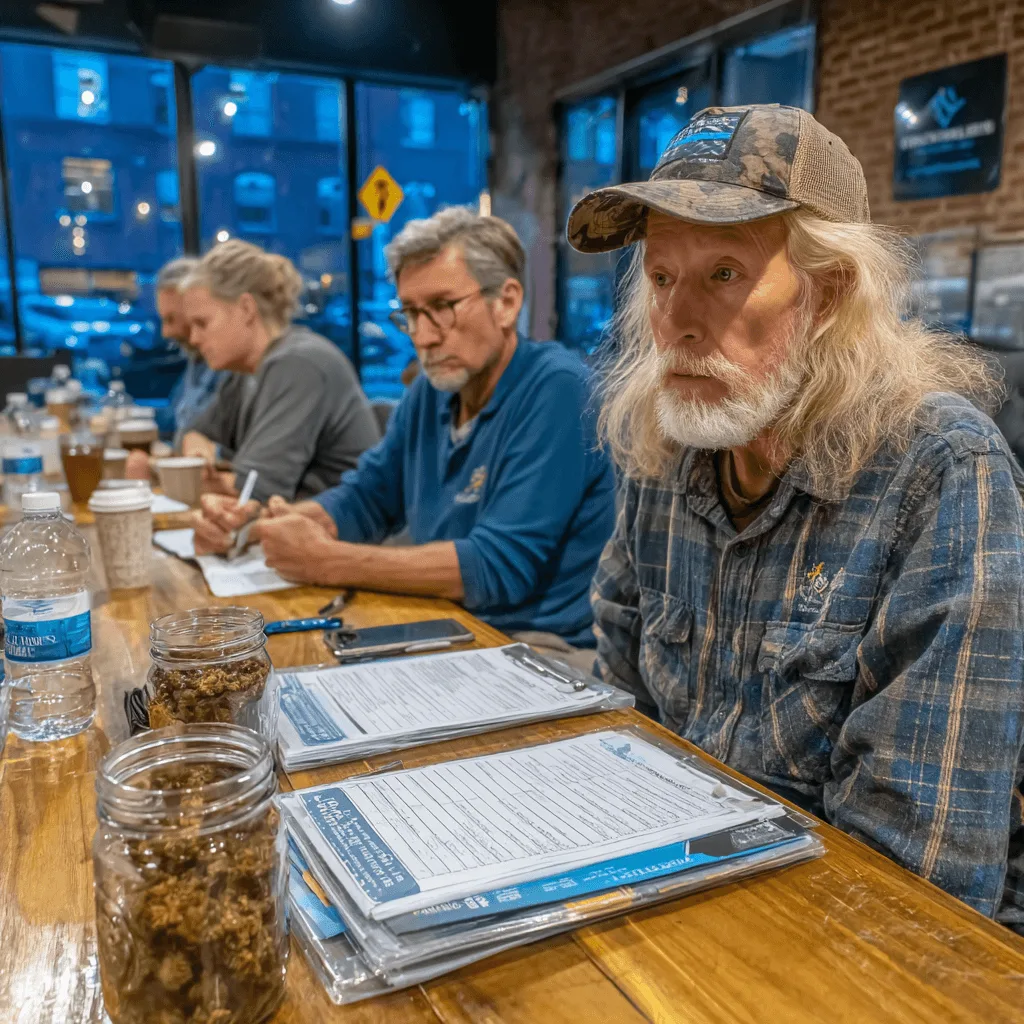
Here’s where things get spicy: According to KAAL TV’s latest reporting, Albert Lea city officials received a clear court ultimatum, they must issue a cannabis registration or make their argument before a judge in Freeborn County. The friction started when at least one local cannabis entrepreneur applied for official recognition but ran into city resistance. Instead of green-lighting the business, city leadership put the process on ice, citing unclear state guidance and community pushback. Now, the court has stepped in, ordering the city to stop stalling. This isn’t just paperwork; it’s a fundamental legal test of the new state cannabis law in real time. The registration would allow legitimate operators to launch or expand, providing business certainty and consumer safety. At the same time, wavering by city officials reflects a broader trend of local hesitation. Similar challenges are happening nationwide, including situations where tax revenue from cannabis has been used to impact communities, like the efforts to improve lives in Moline through cannabis tax revenue assistance, as municipalities wrestle with implementation while weighing social norms, revenue benefits, and compliance headaches.
Expert Analysis and Insights on the Cannabis Registration Faceoff
Let’s be real, this isn’t Albert Lea’s fight alone. Across Minnesota and the U.S., communities are caught between the old-school playbook and the new, green normal. As Marijuana Moment observes, delays and bureaucratic hiccups often stem from local officials trying to reconcile state laws with decades of prohibition-era stigma. Markets move fast, and legal uncertainty can mean missed opportunities for small businesses and consumers alike. Speaking on similar municipal standoffs, cannabis law expert Rachel Gillette commented, “Local bureaucratic resistance rarely wins long-term, market demand and state law are on the same team now.” (Leafly interview). The issue hits especially hard in regions where economic revitalization is top of mind, and cannabis businesses promise not just tax dollars, but community jobs and investment. As seen in the latest quarterly industry updates, the nationwide pattern is clear: municipalities that embrace clear processes, transparency, and dialogue with industry players come out ahead. For Albert Lea, this is a defining test, will they follow the wave or get swamped by it?


