


Albany County correction contraband: Shocking Seizures Exposed
The conversation around Albany County correction contraband is heating up, and for good reason. Seizures in New York’s jails are making headlines, raising eyebrows in both cannabis and legal communities. The high-profile bust in Albany County, where correction officers grabbed marijuana, razors, and other contraband, tells us just how much these spaces—and the rules around them—are changing. Recent incidents like this spark debates about cannabis policy, prison safety, and the ripple effect of statewide legalization. Let’s break down the latest, what it means for the industry, and where the true story leads.
Albany’s Big Picture: Legal and Social Context
To understand the Albany County correction contraband issue, we have to zoom out. New York fully legalized adult-use cannabis in 2021, setting the stage for sweeping regulatory reforms (New York State Cannabis Board). But here’s the catch, legalization doesn’t wipe away old stigmas or the complexities of policing weed inside state institutions. Correctional facilities operate under different rules, where cannabis is still tightly controlled, if not outright banned. These rules aren’t just guidelines; they’re enforced by institutional statute and staff vigilance, anchored in a long-standing zero-tolerance approach to drugs inside. The evolving social norms, the slow destigmatization of weed and growing mainstream acceptance, clash directly with old-school correctional policy. According to NORML, these tensions are common in states transitioning from prohibition to legalization, and nowhere do they play out more obviously than in places like Albany County correctional facilities. The result? A perfect storm for Albany County correction contraband drama, where new freedoms outside bump up against old-school restrictions inside. The challenges around policing substances in schools have also drawn attention, as in recent cases where incidents involving educators and students have sparked community debate, as detailed in recent stories.
Breaking Down the Seizures: Facts from the Frontline
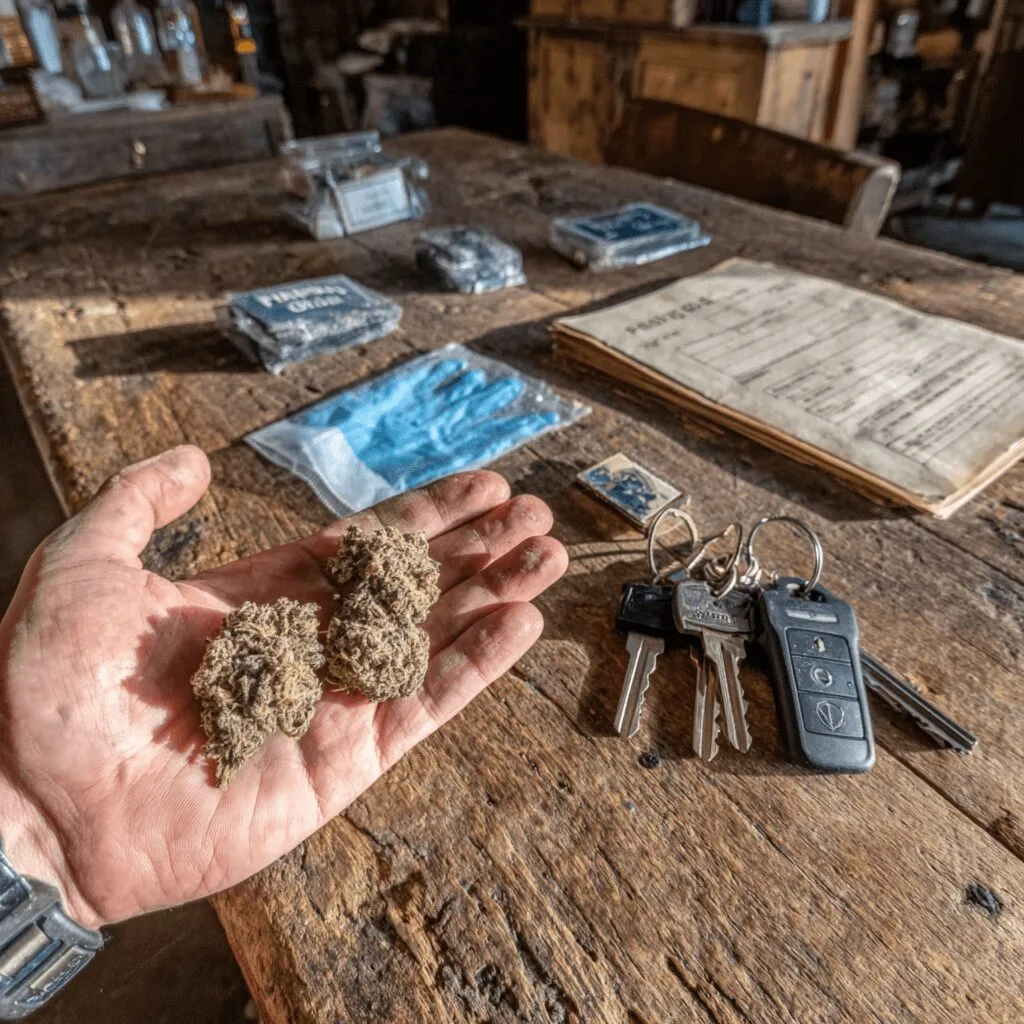
Let’s bring it back to the headline: Albany County correction contraband seized. According to CBS 6 Albany (April 2024), correction officers at the Albany County jail pulled off a surprise seize-and-secure operation. During routine checks, officers confiscated several small baggies containing green marijuana, along with disposable razors, a set of keys, and a pair of gloves. The items were discovered during a targeted sweep, standard operating procedure to keep facilities drug-free, even post-legalization. Law enforcement made it clear: These sweeps are about both safety and the law, as correctional codes restrict possession regardless of wider New York cannabis permission. This isn’t the first time Albany County correction contraband has made waves, either. Previous incidents in 2023 saw similar busts, with officers citing concerns over safety, smuggling networks, and even potential threats to staff. The recent seizures serve as a wake-up call for how cannabis, despite legal status on Main Street, remains high-risk and high-stakes behind bars. Times Union notes an uptick in contraband-related incidents, echoing what many in the industry and advocacy community have been saying all along: Policy clarity is needed, and fast. Meanwhile, in other parts of the country, the intersection of various controlled substances and law enforcement has led to headline-grabbing raids, like those described in this account of a multi-drug home raid.
Expert Analysis: Contraband, Cannabis, and Correctional Challenges
Let’s keep it real, nobody is shocked that Albany County correction contraband made headlines. But why? For one, the correction environment runs on a different frequency than the rest of New York’s rapidly growing cannabis market. Rules that make sense on the street often fall flat behind bars. According to the Marijuana Business Daily, the post-legalization landscape brings both opportunity and confusion, especially for institutions adjusting to new realities. As cannabis advocate Joan Trull of the Leafly News team puts it, “Legalization shouldn’t mean a free-for-all in every context, but it also shouldn’t be used to rehash tired prohibition tactics that ignore science and social progress.” She hits on a critical point: Cannabis is no longer a fringe or criminal product, but a massive, legal industry. Still, old stigmas and conservative policing, especially in institutions, keep the cycle of raids and negative headlines spinning, even as voters and markets move forward. Key industry trends show that New York dispensaries are booming, public attitudes are changing, and even law enforcement gradually adapts (Marijuana Moment). But correctional policy, bound by risk management and safety priorities, lags far behind. Until regulations catch up, incidents like the Albany County correction contraband seizure will keep surfacing, stuck in the gap between progress and tradition. As other jurisdictions grapple with cannabis oversight, the experience in South Dakota with medical marijuana regulations provides a cautionary perspective on oversight and industry anxiety.
What’s Ahead? The Future of Cannabis in Correctional Contexts
The Albany County correction contraband story actually spotlights an industry crossroads. On one hand, legal weed is bringing record revenues to New York and fueling job growth, as Forbes Business Council reports. On the other, correctional policies and cultural inertia continue to fuel conflict and confusion. The solution? Policy reform, open-minded leadership, and a focus on harm reduction, not prohibition. As social acceptance grows and more studies confirm the relative safety of regulated cannabis (National Institutes of Health), the debate will keep pushing toward progress. In the end, Albany County correction contraband news reflects both growing pains and potential—proof that the next chapter in cannabis can be smarter, safer, and way more chill. Expect more news, more change, and a lot more conversations. The future of cannabis—including in correctional settings—depends on our willingness to adapt, learn, and let go of outdated “reefer madness.” As the industry matures, harmony between law, social needs, and safety is only a matter of time.
Originally reported by: cbs6albany.com