Alabama prison contraband arrest leads to shocking chaplain, employee bust
Controversy erupted in Alabama this week with news of another high-stakes Alabama prison contraband arrest. The incident, involving both an employee and a volunteer prison chaplain, casts a sharp spotlight on the ongoing challenge of keeping correctional facilities contraband-free—especially as cannabis reform outpaces institutional regulations. This story isn’t just about a busted pipe dream; it’s a glimpse into the intersection of prohibition-era policies, rising cannabis normalization, and the persistent gray market finding its way behind prison walls. We’re breaking down what really happened, why it matters, and what it signals for cannabis policy and prison reform in the Deep South.
Understanding Alabama’s Prison Contraband Crisis: Legal and Social Landscape
Let’s face it, Alabama’s approach to cannabis is still rooted in the old school. Even as the wave of legalization sweeps through states nationwide, Alabama continues to grapple with prohibitionist laws, keeping both medical and recreational use tightly restricted. Marijuana Policy Project sums it up: possession of even small amounts can result in jail time, a stark contrast to places where tax revenue from cannabis surges and helps transform local economies, as seen when tax earnings elsewhere change the conversation on regulation.
Within prisons, the stakes are even higher. Strict security protocols clash with strained staff resources, creating a fertile ground for contraband, from cell phones to cannabis, to slip through. According to Alabama Political Reporter, incidents involving smuggled goods have surged over the past five years, sparking public debate and urgent legislative attention. Correctional officers and civilian employees alike face immense pressure, low wages, high stress, and, too often, moral dilemmas. This complex environment turns every Alabama prison contraband arrest into a lightning rod for policy, ethics, and human nature.
Key Developments: The Arrests, the Contraband, and the Fallout
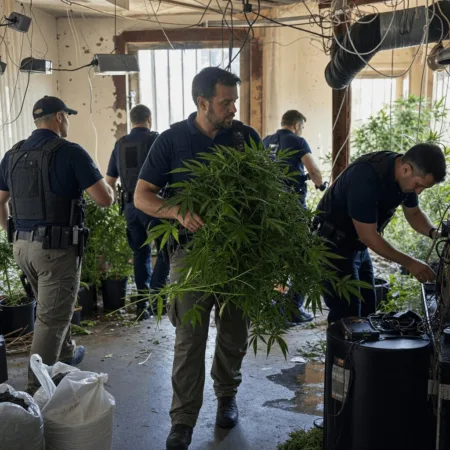
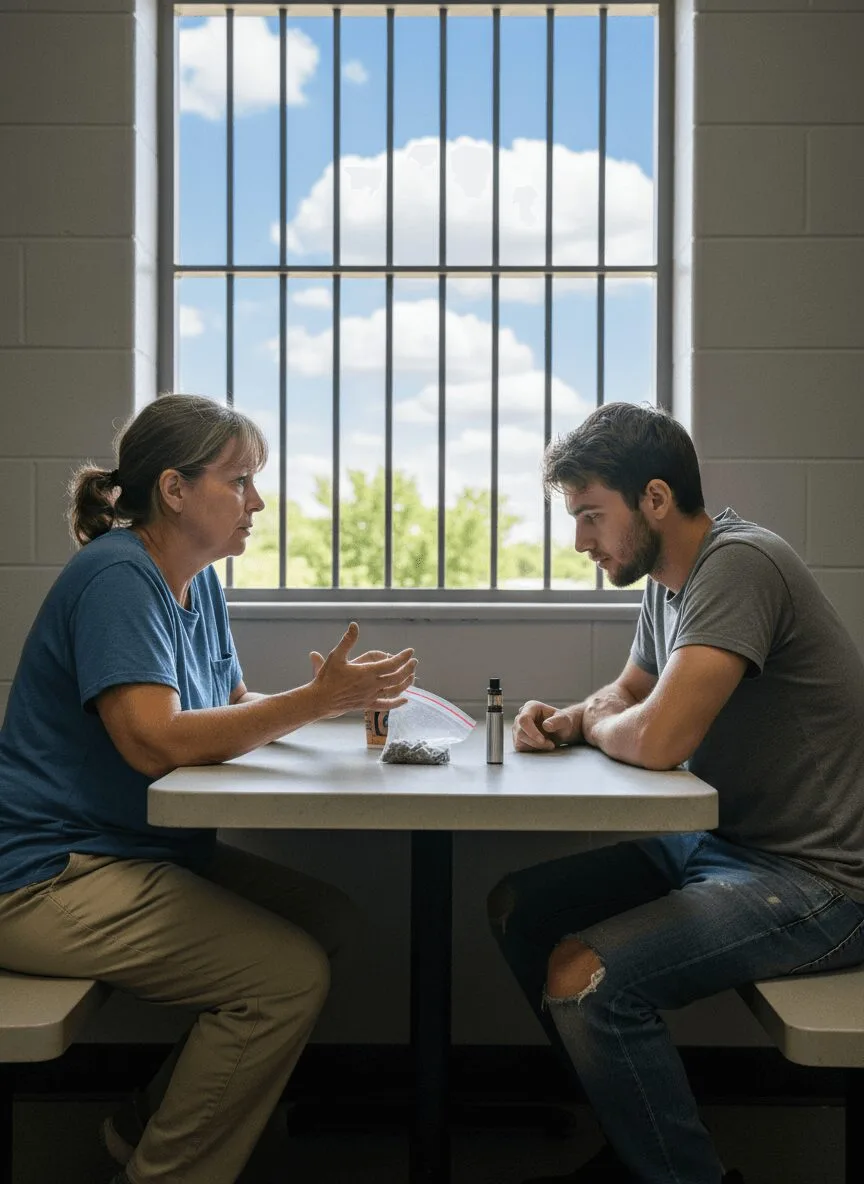
The soap opera got real on January 18, 2026. According to AL.com, two separate Alabama prison contraband arrest cases shocked the state’s correctional community. First, a volunteer prison chaplain at Bibb Correctional Facility was arrested after correctional officers said she attempted to bring cannabis and vaping devices into the institution. In a hint of déjà vu, an unrelated prison employee was also busted for transporting what investigators described as marijuana packaged for inmate distribution. Authorities say both cases point to an organized effort to supply prisoners—a concern amplified by repeated discoveries of vapes, flower, and edible forms reportedly brought in during family visitation hours or via trusted staff. The consequences in Alabama closely mirror what other communities face when real people experience the fallout of harsh marijuana penalties, further emphasized by community reactions to sentencing in similar cases.
The Department of Corrections and local law enforcement have launched parallel investigations. Their quick action reflects both mounting public pressure and harsh lessons from previous contraband incidents, including deadly overdoses traced to tainted smuggled goods. As of publishing, both the chaplain and the employee faced felony charges related to possession with intent to distribute cannabis, as well as additional counts of introducing contraband into a penal institution. Court dates are pending, and the fallout has triggered urgent reviews of visitor policies and employee screening statewide.
Expert Analysis: Cannabis Stigma Meets Institutional Reality
This Alabama prison contraband arrest isn’t just another headline, it’s emblematic of bigger issues for the cannabis industry, prison reform, and public health. As Marijuana Moment reports, states stuck in prohibition often see a thriving black market—prisons being a microcosm of those realities. The fact is, prohibition doesn’t stop cannabis use, but it does push riskier supply chains and deepen systemic problems, something states that have recently shifted their laws are grappling with as recent reclassification changes begin to impact everyday life.
According to criminal justice reform advocate Dr. Lisa Flanders, “We’re seeing the inevitable result of society’s mixed messages. As cannabis becomes mainstream, unrealistic prison policies force desperate solutions.” (Filter Magazine).
Moral panic aside, let’s not forget: many arrested for prison contraband aren’t cartels, they’re low-paid workers, volunteers, or even desperate families. As NORML points out, outdated laws foster corruption and jeopardize safety for everyone. The latest Alabama prison contraband arrest shows how these policies can backfire, fueling dangerous underground networks while draining public resources that could be better used for rehabilitation or harm reduction.
Future Outlook: Reform, Reality Checks, and the Path Forward
Despite headlines, there’s real hope on the horizon. Alabama lawmakers have started considering cannabis reform and improved prison oversight, catching up—slowly—to national trends. According to a Pew Research Center poll, nearly three-quarters of Americans support some form of legalization—suggesting a future where cannabis-related Alabama prison contraband arrests become rare exceptions, not the norm.
As legal access expands elsewhere, experts expect black market demand in prisons will eventually ease, provided smart harm-reduction and rehabilitation programs are prioritized. The cannabis industry stands ready to advocate for sensible rules, employee protections, and humane strategies that prioritize both public health and fairness.
The lesson: Progress takes persistence. But with continued exposure, advocacy, and expert guidance, Alabama—and the correctional world at large—can move toward policies that serve justice, not just punishment.
Originally reported by: al.com