Alabama medical marijuana dispensaries: Find Locations & Updates
Cannabis laws are changing fast across the South. Right now, the launch of Alabama medical marijuana dispensaries marks an era of new access, hope, and controversy. Whether you’re a patient, advocate, or just curious, these first dispensaries mean more than storefronts—they signal real progress for safe, legal medical cannabis in Alabama. In this guide, we’ll break down the social, legal, and industry shifts making headlines, give you the full scoop on the new dispensary locations, and offer expert insights and honest perspectives from deep in the cannabis community. Let’s explore what the rise of Alabama medical marijuana dispensaries truly means for the Heart of Dixie.
The Road to Legalization: Alabama’s Shifting Cannabis Landscape
Getting to this point in Alabama has been a winding journey. For decades, Alabama famously held some of the strictest cannabis laws in the U.S. However, patient demand, medical research, and pressure from neighboring states forced lawmakers to reconsider (Marijuana Policy Project). In May 2021, Alabama passed SB 46, the Darren Wesley ‘Ato’ Hall Compassion Act, legalizing medical marijuana for qualifying conditions. But the act built in careful oversight: limited qualifying conditions, product controls, and a well-defined dispensary licensing process. The Alabama Medical Cannabis Commission (AMCC), installed by state law, crafts and enforces these rules to this day. Social acceptance lags behind other regions, but regular surveys, like those from PRRI, show rising support for medical access. Alabama’s slow, methodical approach aims to balance patient needs with public safety, reflecting the unique political culture of the Deep South. The arrival of Alabama medical marijuana dispensaries didn’t happen overnight, but it’s undeniably a game-changer.
First Locations Open: Who’s Licensed, Where, and What to Expect
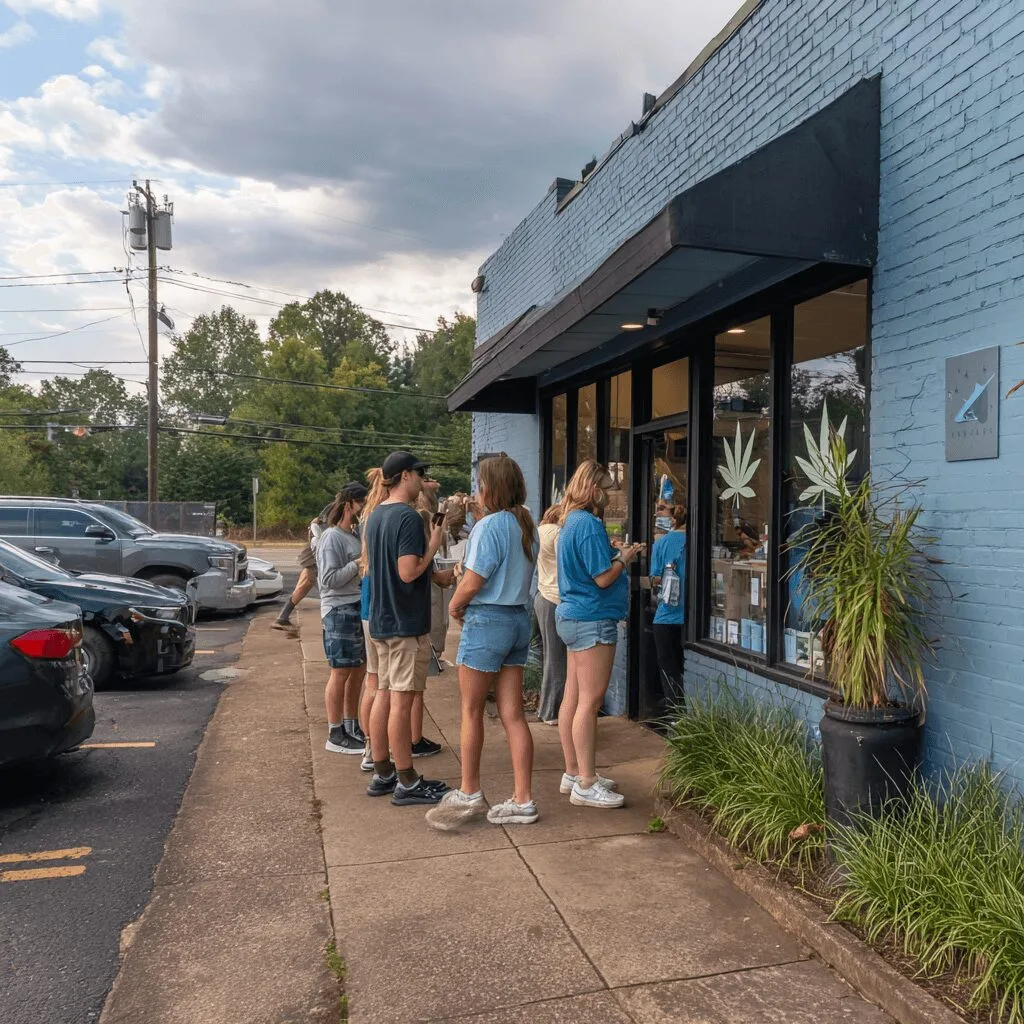
December 2025 brought big news for Alabama patients eagerly awaiting access. The Alabama Medical Cannabis Commission confirmed the first 12 medical marijuana dispensaries spanning the state, from Mobile and Montgomery to Birmingham and beyond (AL.com). These new dispensaries are licensed to sell strictly to card-carrying patients in Alabama’s registry, and they’re the only legal way to buy medical marijuana in the state. Notable companies include Trulieve Alabama, Theraplant, and Southeast Cannabis Company. Each met heavy vetting. Products cannot be smoked or vaped, as Alabama law permits only non-inhalable forms like capsules, tinctures, oils, and topicals. Dispensaries face strict security, tracking, and employee vetting rules. All this became possible after legal hurdles were crossed, with dispensary approvals finalized in late 2025, according to the State of Alabama. Families and communities are growing more aware of the importance of THC child safety, as regulations continue to evolve (read more). For patients, it’s a new chance to get relief—legally and safely—from Alabama medical marijuana dispensaries.
Industry Insight: Why Alabama’s Dispensary Launch Matters
Let’s be blunt: Alabama is late to the party, but it’s here now, and that means a lot. The careful rollout of Alabama medical marijuana dispensaries mirrors trends seen in other conservative states: heavy regulations, limited product forms, and cautious oversight to fend off critics. Yet, the stakes are real. As MJBizDaily reports, even highly restricted markets often grow faster than expected once patients have legal options. In places like Ohio, recent reforms show how these shifts can impact legalization and the social landscape (see details on shifting laws). The Alabama model could become a blueprint for other Deep South states balancing tradition and medical science. Industry experts agree. As Dr. Peter Grinspoon, Harvard-trained physician and cannabis specialist, puts it: “Access to regulated medical cannabis saves lives, reduces opioid use, and brings formerly illicit activity under state control” (Harvard Health Blog). This step, however slow, means new economic investment, jobs, tax revenue, and real hope for patients who had nowhere to turn. Already, analysts predict Alabama’s dispensary market could reach tens of millions in annual sales by 2026 (Benzinga). For regional equality, medical science, and economic justice, these dispensaries matter, a lot.
What’s Next? Challenges, Promise, and the Shape of Southern Cannabis
With Alabama medical marijuana dispensaries finally a reality, the state’s landscape will keep shifting. Expect fierce policy debates as patient counts grow, dispensaries find their groove, and communities realize that well-run access supports—not threatens—public health. Neighboring states will watch, learn, and likely follow suit. More inclusive qualifying conditions, expanded patient education, and wider social acceptance seem almost inevitable as real results roll in. For now, the Alabama program is limited, but history shows early barriers often fall once legal access proves its worth (NORML). The future is bright—grounded in science, advocacy, and a legitimate path forward for cannabis in the South. For patients, families, and advocates alike, Alabama medical marijuana dispensaries are just the beginning of a new chapter.
Originally reported by: al.com