





Alabama marijuana law enforcement: What you must know now
Alabama marijuana law enforcement is a hot topic, with legal uncertainties and big questions hanging in the air. Right now, statewide headlines buzz with enforcement debates, local orders, and what actually changes for regular folks and patients. With shifting rules and orders from authorities catching the cannabis community’s attention, understanding Alabama marijuana law enforcement isn’t just about legal compliance—it’s about staying informed as both a patient and a citizen. Let’s dig into the must-know facts and what these enforcement updates really mean for our day-to-day lives (and buds).
Alabama’s Legal Landscape: History and Ongoing Tensions
Before anyone packs a bowl, remember, Alabama marijuana law enforcement is rooted in a patchwork of federal and state statutes. Despite headlines touting medical cannabis progress, marijuana remains tightly restricted under state criminal law. As the Alabama Supreme Court recently reaffirmed, possession or sale without explicit state-licensed purpose is still a prosecutable offense, even as other southern states test out more progressive policies. While states like Ohio have recently debated their own legalization measures, leading to significant changes in regional marijuana laws, the comparison underscores how changing legal frameworks elsewhere further complicate the debate in Alabama. Local counties sometimes weigh directives from higher authorities differently, leaving room for patchy enforcement. For residents and operators, this means new developments, like special court orders, can tilt the playing field overnight. Cannabis reformers, national watchdogs such as NORML, and big-league legal experts all track how these contradictory signals shape real-world consequences. In Alabama, medical use is only barely trickling forward, leaving a lot of folks feeling caught in the crossfire between the law and modern cannabis culture.
Recent Developments: Orders, Confusion, and Law Enforcement Moves
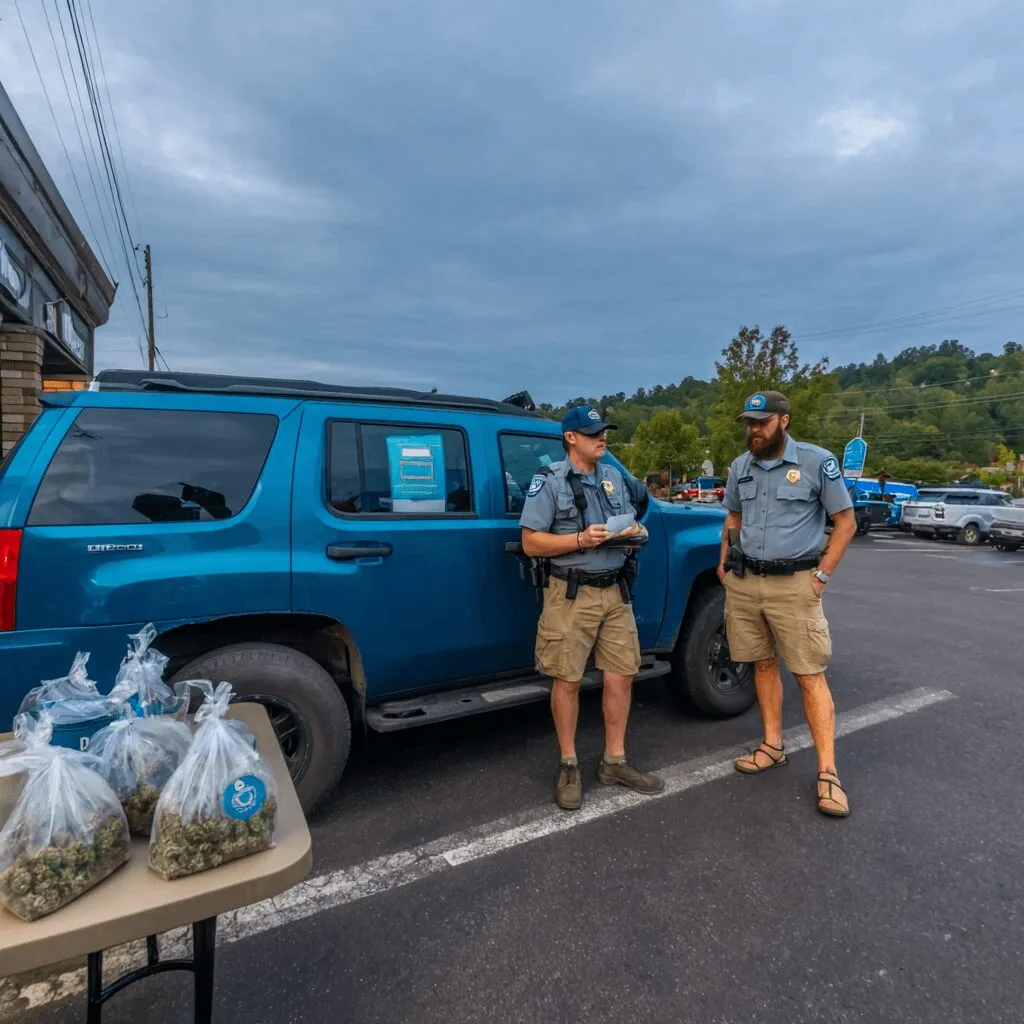
The latest wave in Alabama marijuana law enforcement kicked up when state authorities issued an order aimed squarely at marijuana-related activities, underscoring that no local or municipal directive can override state law. On December 31, 2025, Franklin County officials underscored to Franklin County Times readers that, despite any talk or rumor, marijuana remains illegal under state law for both personal and most medical uses. This comes as various counties grapple with the aftermath of the Alabama Supreme Court’s recent decision, which halted the launch of Alabama’s medical cannabis program. Law enforcement leaders clarified they are bound by state criminal code, not shifting guidance at city or agency level. According to AL.com, officers have received reminders to treat marijuana-related offenses as they would prior to any new discussions, citing the need for statewide consistency. Local agencies stress that evidence, ranging from cannabis flower to vaping paraphernalia, remains subject to seizure or prosecution until the legislature acts or new regulatory orders are issued. These challenges resemble the uncertainty faced in other states, as seen with recent regulatory obstacles in Ohio. For entrepreneurs and patients alike, the message is clear, Alabama marijuana law enforcement is still playing by old rules, no matter what local activists might wish for after recent headlines.
Expert Analysis: What It Means for the Industry and Community
So what’s really at stake with these Alabama marijuana law enforcement shakeups? The continued ban on either recreational or meaningful medical foothold keeps Alabama’s cannabis market in limbo, frustrating would-be businesses and patients alike. Marijuana Moment analysts recently explained, “Alabama remains one of the few Southern states where cannabis laws have barely budged, leaving patients fending for themselves and entrepreneurs in regulatory purgatory.” Alabama law enforcement face a tricky balancing act, maintaining state code while handling increasing public support for safe, legal access (for context, a Pew Research poll showed over 60% of Americans back medical marijuana). Industry insiders, like cannabis law specialist Brenda C. from Cannabis Business Times, explains: “If the legislature doesn’t take bold steps, Alabama risks missing out on tax revenue, job growth, and, most vitally, safe access for its own chronically ill citizens.” Law enforcement officers have also seen how issues like dispensary-related crime and theft consequences in other states can influence both policy attitudes and industry standards. The state’s law enforcement officers, meanwhile, are caught between rigid laws and an evolving public mood, a tough spot for those sworn to uphold current statutes while witnessing shifting social and market realities.
Looking Forward: Hope for Reform and a More Rational Approach
While Alabama marijuana law enforcement remains strict, momentum for reform is clearly building. With national trends leaning toward expanded legal access—nearly half the states now have medical or recreational cannabis—pressure on Alabama policymakers keeps rising. Civil society groups like ACLU Alabama and industry voices continue to amplify positive stories about cannabis’s medical benefits and the public costs of prohibition. Change might not happen overnight, but with every new order or legal setback, the call for smarter, fairer enforcement grows louder. If the past months are a guide, expect more legal debates, public awareness campaigns, and incremental reforms, all pointing toward a future where reasonable access, patient protection, and responsible law enforcement coexist. Stay tuned, stay informed, and don’t lose hope—Alabama marijuana law enforcement will evolve, and those fighting for progress are only getting louder.
Originally reported by: franklincountytimes.com


1 Comment
Pingback: Bois Forte cannabis compact: What This Means for Minnesota