




Alabama hemp regulations: What you need to know now
Alright, friends—hemp lovers and cautious regulators alike—there’s a big shift happening in the Heart of Dixie. The spotlight’s on Alabama hemp regulations as fresh legal updates send shockwaves through growers, retailers, and everyday enthusiasts. Whether you care about wellness trends, business risks, or that classic deep South cannabis debate, these changes are serving up something big: Alabama hemp regulations now cover everything from product safety to the fun (or controversial) stuff you might find on packaging. Let’s spark up a deep dive into what’s happening, why it matters, and how these new rules are writing the next chapter for Alabama’s hemp story.
Shifting Ground: The Landscape Behind Alabama Hemp Regulations
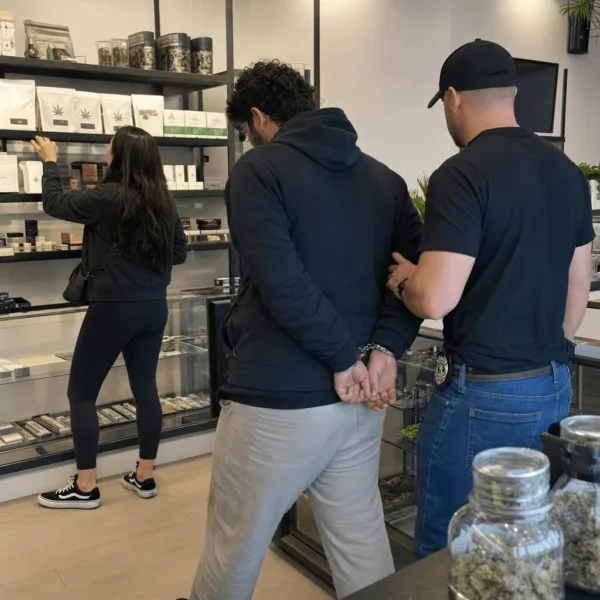
The rise of hemp in Alabama mirrors a wild ride across the U.S., shaped in part by the policy changes that swept the nation. After the 2018 Farm Bill federally legalized industrial hemp, states like Alabama leapt at the chance to build a booming hemp industry. But, as MJBizDaily reports, the rush brought market hype, legal confusion, and constant push-pull between pro-cannabis advocates and regulators. Products popped up in gas stations and wellness shops statewide, often outpacing safety testing and regulatory oversight. Stories of untested gummies, unclear dosages, and, to be honest, colorful packaging featuring beloved cartoon characters kept popping up in news headlines. While these issues reverberate through the state, it’s important to recognize that some regulatory debates are not unique to Alabama—similar headlines emerged in other states, such as the controversy following a Texas teacher’s arrest after a marijuana incident in school, highlighting the wider national conversation about cannabis products and youth access. The dynamic forced Alabama’s lawmakers to tackle not just economic opportunity but social concerns around youth access, consumer safety, and the cannabis industry’s fast evolution. That’s why Alabama hemp regulations are tightly in the spotlight today.
What’s New: Key Developments & Tension Points in Alabama’s Hemp Rules
According to AL.com, Alabama’s latest hemp regulations are a direct response to everything from wild-west product marketing to public health alarms. Here’s the lowdown:
- Stricter Labeling Requirements: Starting October 2025, all hemp-derived products, including CBD oils, edibles, and topicals, must feature clear dosage info and ingredient lists. Packaging that uses cartoon imagery or characters—anything that might attract kids—faces stiff new bans.
- Retail & Manufacturer Responsibilities: Licensed sellers must keep proof of product testing and are subject to random inspections, so compliance is now strictly enforced. Any violations tied to Alabama hemp regulations can trigger immediate product pulls and even criminal penalties. Similar recent changes are shaking up the nearby market, as seen with how Tennessee is updating hemp rules that affect shops and manufacturers, signaling a broader Southeastern regulatory wave.
- Public Health Protections: These rules come after consumer advocacy groups flagged potential child-friendly marketing, which led to heated debates in hearings at the Alabama Statehouse (per Montgomery Advertiser).
- Industry Reaction: Major Alabama hemp players like Sweet Home Botanicals and local distributors have scrambled to change packaging, update documentation, and retrain employees. The Alabama Department of Agriculture and Industries posted updates on its site outlining new compliance timelines for the entire sector, with final enforcement starting January 2026.
Expert Analysis: Navigating the New Normal and Defending Hemp’s Place
When sweeping regulation lands, you can count on both big sighs and big debates. Real talk? Some reforms are overdue, especially for product safety, but industry veterans also see cracks. As Cannabis Business Times noted, “Alabama’s new hemp regulations peg down fly-by-night operators, but risk chilling innovation if not balanced.” Retailers want clarity, not chaos. One Birmingham hemp consultant said, “We’re not afraid of rules; we want smart, sensible rules. Just don’t throw the flower out with the bathwater!” NORML points to precedent in states like Oregon and Colorado, where proactive labeling requirements boosted safety without erasing access. Meanwhile, testing mandates tend to get thumbs up from those in-the-know: lab-backed products win trust with everyone from soccer moms to muscle-bound gym rats. Still, some see the attack on playful packaging as a bit of a buzzkill, arguing parents—not regulators—should teach kids what’s off-limits. Addressing current health concerns, recent research has called into question how much cannabis or alcohol actually promotes better sleep for young adults—a conversation that’s echoed nationally, as seen in discussions on whether cannabis and alcohol are truly helping young adults get better sleep. As cannabis expert Amanda Reiman, PhD, said in a recent Leafly interview, “The best public health outcomes come from education and transparency, not blanket bans.” It’s a reminder that real safety is a team effort.
The Road Ahead: Alabama Hemp Regulations & Growth on the Horizon
The bottom line? Alabama hemp regulations are stepping into the modern era, and that’s a good thing—but not without hurdles, open debates, and room for the industry to mature. The smart money says responsible regulation means more market trust and stronger consumer protection in the long haul. As Hemp Grower Magazine highlights, states that learn quickly, adapt, and stay flexible see more growth, fewer safety scares, and greater acceptance of hemp’s place in society. Expect some growing pains, but no doubt: Alabama hemp regulations are part of a bigger, greener movement that’s here to stay—and, given a little honest innovation, could make hemp safer, more accessible, and way more mainstream in Alabama than ever before.
Originally reported by: al.com


1 Comment
Pingback: Marijuana vs Cigarette Use: Surprising Trends Revealed