Afroman Lawsuit: ACLU Supports Artist in Controversial Music Video Case
The American Civil Liberties Union (ACLU) has rallied behind Afroman, the renowned hip hop artist, in a civil lawsuit filed against him by seven police officers. The officers, who conducted a marijuana raid on Afroman’s home, expressed their dissatisfaction with the artist’s use of footage from the raid in a music video. However, the ACLU, including its Ohio chapter, has filed a proposed amicus brief in support of Afroman, shedding light on crucial legal questions surrounding the case.
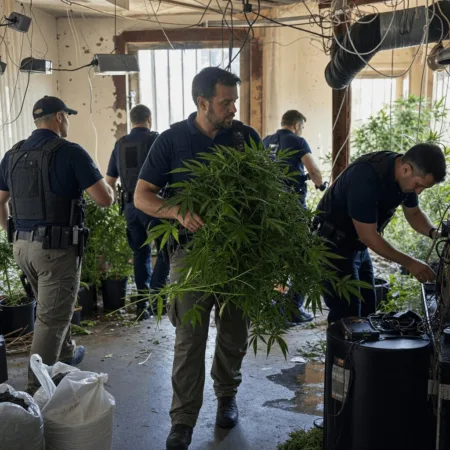
Afroman, whose real name is Joseph E. Foreman, gained fame in the early 2000s with his hit single “Because I Got High.” Last month, he faced a lawsuit from members of the Adams County, Ohio Sheriff’s Office, stemming from a SWAT raid conducted on his house in 2022. The officers targeted his residence for suspected marijuana possession and drug-related activities, including “kidnapping.” Ironically, the raid resulted in the discovery of only trace amounts of cannabis.
In a creative response to the incident, Afroman incorporated footage from the raid, captured by home security cameras, into a music video titled “Will You Help Me Repair My Door.” However, this move drew the ire of the officers involved, leading them to sue Afroman for using their likenesses for commercial purposes. The officers claimed that this unauthorized use caused them “humiliation, ridicule, mental distress, embarrassment, and loss of reputation.”
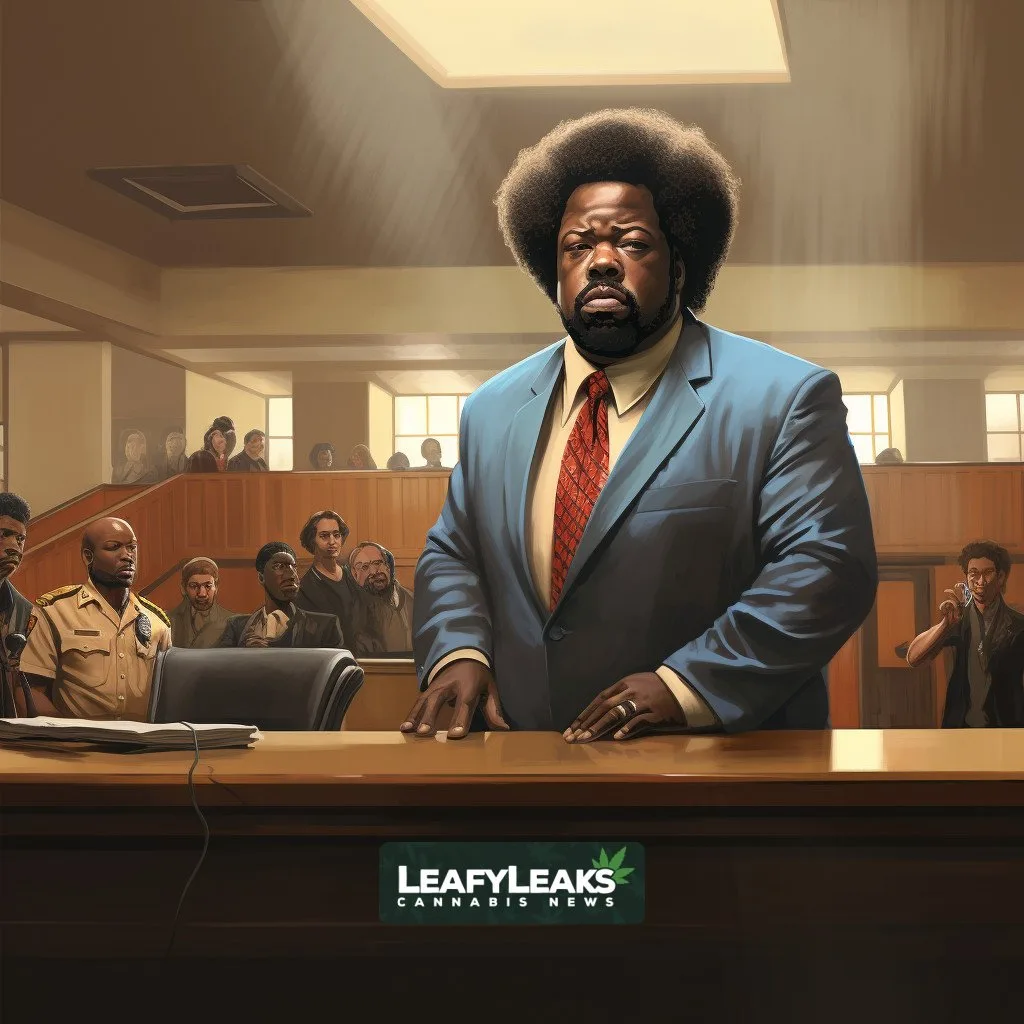
Apart from Afroman, the civil lawsuit also implicates five other entities responsible for marketing and distributing the Afroman brand. Seeking damages and injunctive relief, the officers aim to address the alleged harms they endured. The first hearing for this highly anticipated case is scheduled for Thursday, coinciding with the unofficial cannabis holiday, 4/20.
The lawsuit raises significant legal concerns surrounding the First Amendment and the consequences of enforcing marijuana prohibition. The ACLU, in its proposed amicus brief filed on Wednesday, characterizes the officers’ lawsuit as a “classic entry into the SLAPP suit genre” and an attempt to silence criticism through legal means.
Highlighting the events that unfolded, the original lawsuit alleges that Afroman utilized recordings of the search from his wife’s phone and surveillance cameras to create music videos. The officers claim that Afroman posted content online on platforms such as Instagram and YouTube, generating revenue and using their personas without authorization. Additionally, the officers accuse Afroman of producing and selling merchandise featuring their likenesses.
All seven plaintiffs in the lawsuit are officers employed by the Adams County Sheriff’s Office, including deputies, sergeants, and a detective. They argue that Afroman’s actions have caused them significant damages, both financially and to their reputation.
In response to the officers’ claims, the ACLU argues that the lawsuit lacks legal merit. According to their amicus brief, the officers fail to identify any specific false statements made by Afroman in his videos. The focus of their complaint centers on Afroman’s criticism, his profit from video commentary and merchandise, which the ACLU asserts are protected under the First Amendment.
Afroman has indicated his intention to file a countersuit in response to the initial court filing. He aims to address the financial losses incurred due to the raid and the impact of false accusations on his career. The artist believes that the accusation of “kidnapping” mentioned in the warrant has tarnished his reputation within the industry.
As the legal battle ensues, Afroman finds support from the ACLU, a prominent defender of free speech and civil liberties. Their involvement adds an extra layer of significance to this contentious case, emphasizing the clash between artistic expression, law enforcement, and the constitutional rights at stake.