





Aden Holloway drug arrest: Shocking Details Revealed
This year’s March college hoops buzz isn’t just about buzzer-beaters. The headlines are dominated by the Aden Holloway drug arrest news, mixing sports celebrity with the ever-evolving cannabis debate. The situation is drawing attention because Holloway’s incident intersects with hot-button topics: NCAA athlete conduct, changing cannabis laws, and the public’s evolving attitude toward weed. This piece unpacks what happened, why it matters, and what it means for students, athletes, the cannabis industry, and beyond.
The Cannabis Playbook: Background & Context
Before diving into the Aden Holloway drug arrest, it’s important to understand the larger regulatory and social setting around cannabis and college athletes. Over a dozen states, including Michigan and Arizona, have legalized recreational marijuana in recent years, changing both law enforcement priorities and public opinion. Yet, the NCAA—the body governing college sports—remains somewhat stuck in the past, banning THC under its current anti-doping policy. Even as pro sports leagues like the NBA and MLB have relaxed their stances (see NBA cannabis policy), the NCAA maintains stricter discipline standards.
That leaves student-athletes in a gray zone, especially those playing in states where marijuana is legal but campus rules haven’t caught up. According to recent findings from NORML and the Pew Research Center, public support for cannabis legalization is now at an all-time high. For example, the introduction of new dispensaries such as those discussed during the Pontiac Cannabis Dispensary Opening has contributed to shifting public opinion. Still, federal prohibition and institutional stigma create problems for young athletes navigating these waters, especially under the media microscope.
Key Developments: Breaking Down the Aden Holloway Drug Arrest
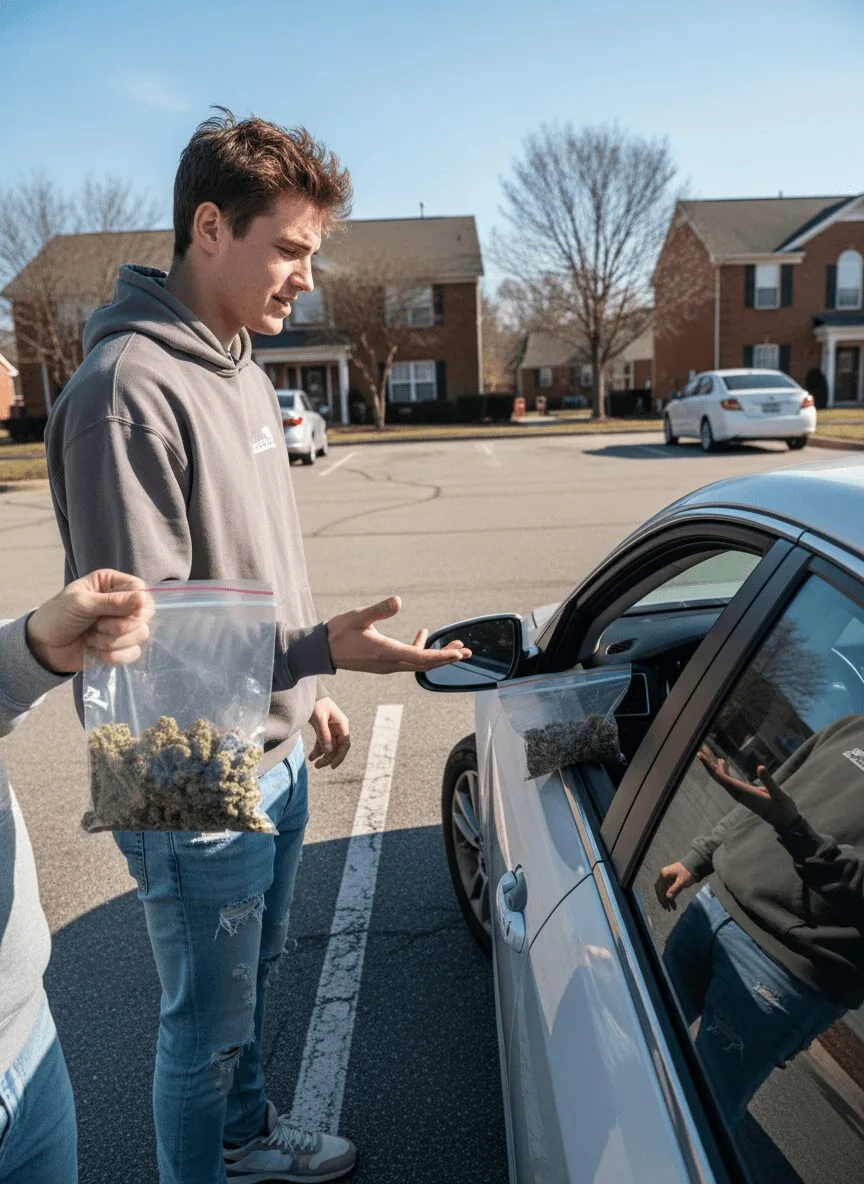
The Aden Holloway drug arrest gained national attention following media coverage by Newsday and other reputable news outlets. On the eve of a major NCAA Tournament game, Alabama Crimson Tide’s freshman guard, Aden Holloway, was reportedly detained by police after a routine traffic stop in a suburban parking lot. Law enforcement allegedly discovered a clear plastic bag containing cannabis in the vehicle, enough to be classified under local statutes as a misdemeanor, according to reports sourced from Newsday.
According to the local police department, Holloway was cooperative during the arrest. The incident happened just days before a key tournament matchup, putting his playing eligibility in question. Alabama’s athletic department issued a statement confirming that they were “aware of the situation and gathering facts,” while the NCAA has not yet announced any formal disciplinary action. The legal landscape in the state restricts recreational marijuana usage, even though audience perspectives are shifting. This situation presents parallels to evolving regional laws, as seen in states addressing significant regulation changes like those covered in Pennsylvania Cannabis Regulations.
As the story unfolds, university officials, NCAA authorities, and legal experts continue to weigh in, creating a whirlwind of speculation about Holloway’s future with his team and the broader implications for collegiate cannabis policy.
Expert Analysis & Industry Insights: Beyond the Headlines
The Aden Holloway drug arrest epitomizes the kind of disconnect still happening at the intersection of college life, cannabis, and the law. For many in the cannabis community, this case highlights how young people, especially athletes, are caught between the momentum of reform and the lagging cultural attitudes in sports institutions.
According to cannabis policy researcher Dr. Amanda Reiman, as quoted in a High Times analysis, “Student-athletes are more likely to be scrutinized for cannabis even as legalization spreads, creating unnecessary barriers to both their academic and athletic futures.” She adds, “It’s time for sports governing bodies to reflect the realities of modern cannabis policy, not punish kids for what’s legal on main street.”
This type of tension isn’t new—industry analysts frequently point out similar developments in the medical cannabis realm, where unexpected twists in medical marijuana research have left many experts both surprised and advocating for rapid policy modernization. This incident is proof that the NCAA faces growing urgency to update its protocols in line with new medical, scientific, and social understandings of cannabis.
Looking Ahead: Progress, Hope, and a New Era for Cannabis and College Sports
The Aden Holloway drug arrest offers a microcosm of where the cannabis debate stands in America today: progressive in public opinion, but sometimes still stuck in the penalty box on college campuses. As states continue to legalize and the stigma fades, events like Holloway’s are likely to fuel calls for the NCAA and other institutions to modernize their rules. Many families, students, and sports fans are hopeful that reforms (inspired by shifting norms and guided by evidence) will become the new standard.
Looking forward, the cannabis industry’s growth and normalization are paving a path toward fairer, more science-based regulations—not just for athletes but for everyone. For a deep dive on changing college cannabis policies, see recent coverage from Marijuana Moment. The playbook, it seems, is finally being rewritten for the 21st century—and that’s a win worth celebrating.
Originally reported by: newsday.com


1 Comment
Pingback: Aden Holloway marijuana arrest: Shocking details revealed