Abbott THC Sales Restriction: How Will the Hemp Industry Respond?
There’s a fresh wave of energy and uncertainty sweeping Texas hemp circles lately, and trust me, it’s not just from a new batch of edibles. With the freshly announced Abbott THC sales restriction, the local industry, consumers, and advocates alike are all sitting up and paying attention. As new rules drop fast, everyone from seasoned growers to start-up shop owners is dealing with shifting market realities, evolving regulations, and policy shake-ups. This moment matters: the choices made now will shape Texas’ hemp community and influence broader conversations across the U.S. Stick around as we break down how this bold policy move could ripple out through the Lone Star State and beyond.
The Regulatory Landscape: Context Behind the Abbott THC Sales Restriction
To truly get what’s happening with the Abbott THC sales restriction, you’ve got to understand how Texas has danced, awkwardly, sometimes, with hemp and THC laws. After the 2018 U.S. Farm Bill federally legalized hemp with less than 0.3% THC, Texas followed suit. However, interpretations around what kind of THC products can be sold, especially psychoactive variants, have remained fiercely debated. Recently, Governor Greg Abbott decided to clamp down by specifically targeting THC product sales to minors, drawing a new legal boundary. Such changes spring from growing public interest in youth protection, increased national scrutiny from health agencies (CDC guidance), and a rising tide of industry lobbying from every side of the cannabis spectrum. This regulatory push and pull is all about balancing market growth with responsible access, no easy feat in a state that prides itself on both entrepreneurship and public safety. Recent headlines about enforcement actions in other states, for example the dispensary raids in New York, further highlight how evolving policies are not exclusive to Texas but part of a broader national movement.
Key Developments: The Abbott THC Sales Restriction and Community Response
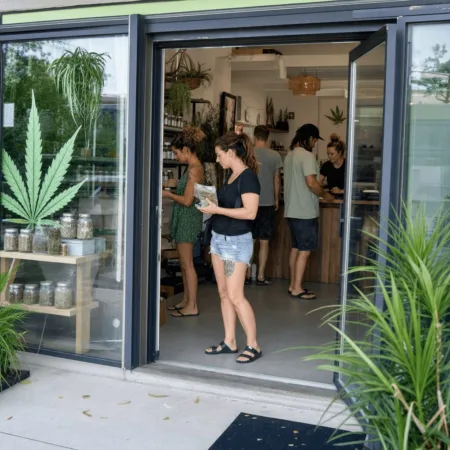
The heart of the matter kicked in with Governor Abbott’s THC sales restriction policy released in June 2024. Under this new order, all licensed hemp retailers in Texas are now prohibited by law from selling any THC products, including popular consumables like gummies and vapes, to minors. This was set in motion after mounting public concern and pressure from groups such as Texas Parents Against Pot, following widely reported incidents of underage THC exposure (as noted by KCEN-TV News). New compliance rules demand that local businesses check IDs for every customer buying products with detectable levels of delta-8, delta-9, or delta-10 THC. Store owners and operators interviewed by KCEN-TV voiced both frustration over unclear margins and a desire to comply responsibly. Many, like Central Texas’ own Green Earth Collective, have begun updating store signage and training employees according to Texas Department of State Health Services guidance. Enforcement actions began immediately, placing heightened scrutiny on retailers in Waco, Dallas, Austin, and Houston. The new rules, according to legal counsel at the Texas Hemp Coalition, will also impact e-commerce sales and online fulfillment—a growing part of the market post-pandemic. Similar compliance challenges can be observed in cities such as Atlantic City, where local dispensaries must adapt to frequent legal changes.
Expert Analysis & Counterpoints: Digesting the Impact of the Abbott THC Sales Restriction
So, what does this actually mean for Texas hemp shops and the wider cannabis community? First, veteran advocates point out that prohibiting direct sales to minors aligns Texas with best practices seen across regulated cannabis states, according to MJBizDaily. It’s a swift policy shift, but hardly groundbreaking, after all, nobody’s fighting for kid-sold THC. The concern, as highlighted by compliance consultant Maria Torres, is whether these restrictions accidentally choke out responsible adult access: “Responsible adults shouldn’t be caught in the crossfire of rushed policy,” Torres told Leafly. She adds, “The hemp industry thrives when rules are clear, enforceable, and fair.” Some experts further argue that new policies might inadvertently boost the underground market, since youth who want THC will look elsewhere if retail oversight gets too strict. Still, a lot of operators and advocates agree with the intent, protecting minors is non-negotiable. They are hopeful that, if the rules remain focused and transparent, the Texas model could be a step toward responsible normalization, not criminalization. Cannabis legal analyst Heather Fazio, in a Texas Tribune commentary, put it succinctly: “The challenge now is making sure the pendulum doesn’t swing too far and block sensible, adult-oriented commerce.” This balanced approach reflects ongoing concerns raised in other states, such as the impact of arrests at Midland-area retailers where overlapping enforcement brings new scrutiny to both legal and illicit THC sales.
What’s Next? Looking Ahead for Texas Hemp and the Abbott THC Sales Restriction
Despite the nail-biting and hand-wringing, seasoned cannabis folks know that evolution is the game. The Abbott THC sales restriction signals a dynamic moment, not a death knell. Industry players are already adapting, updating practices, and advocating for clarity. As seen in other states, policy pivots often spark innovation—and Texas operators are nothing if not creative. Most importantly, these growing regulatory pains reflect the urge for a safe, responsible market where quality prevails. Broader acceptance of hemp and THC products keeps gaining traction, with increased education and informed, open discussion driving positive change. As respected advocates have noted at NORML, community engagement and smart policymaking will shape the vibe of Texas’ green future. With unity and action, today’s challenges can lay the groundwork for tomorrow’s robust, legal cannabis economy—one rooted in accountability, access, and plenty of homegrown Texas spirit.
Originally reported by: kcentv.com