


Massachusetts marijuana repeal vote: Critical decision looms
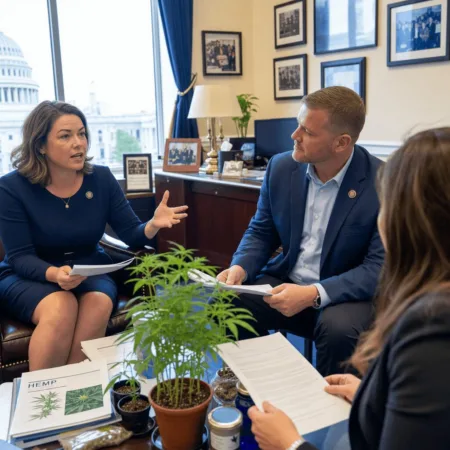
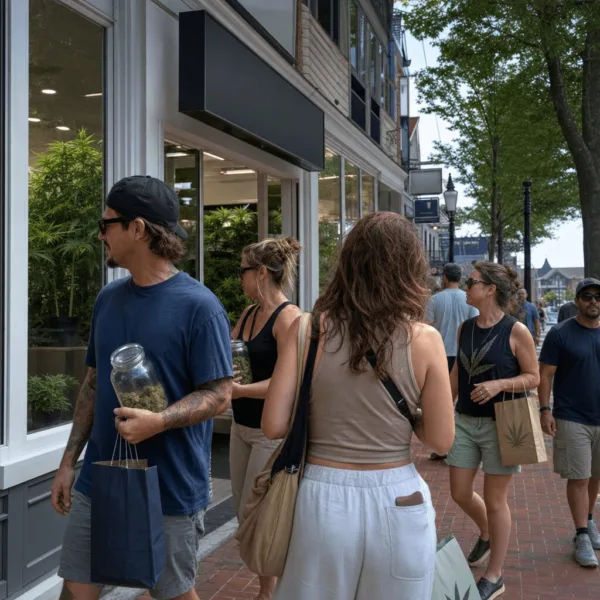
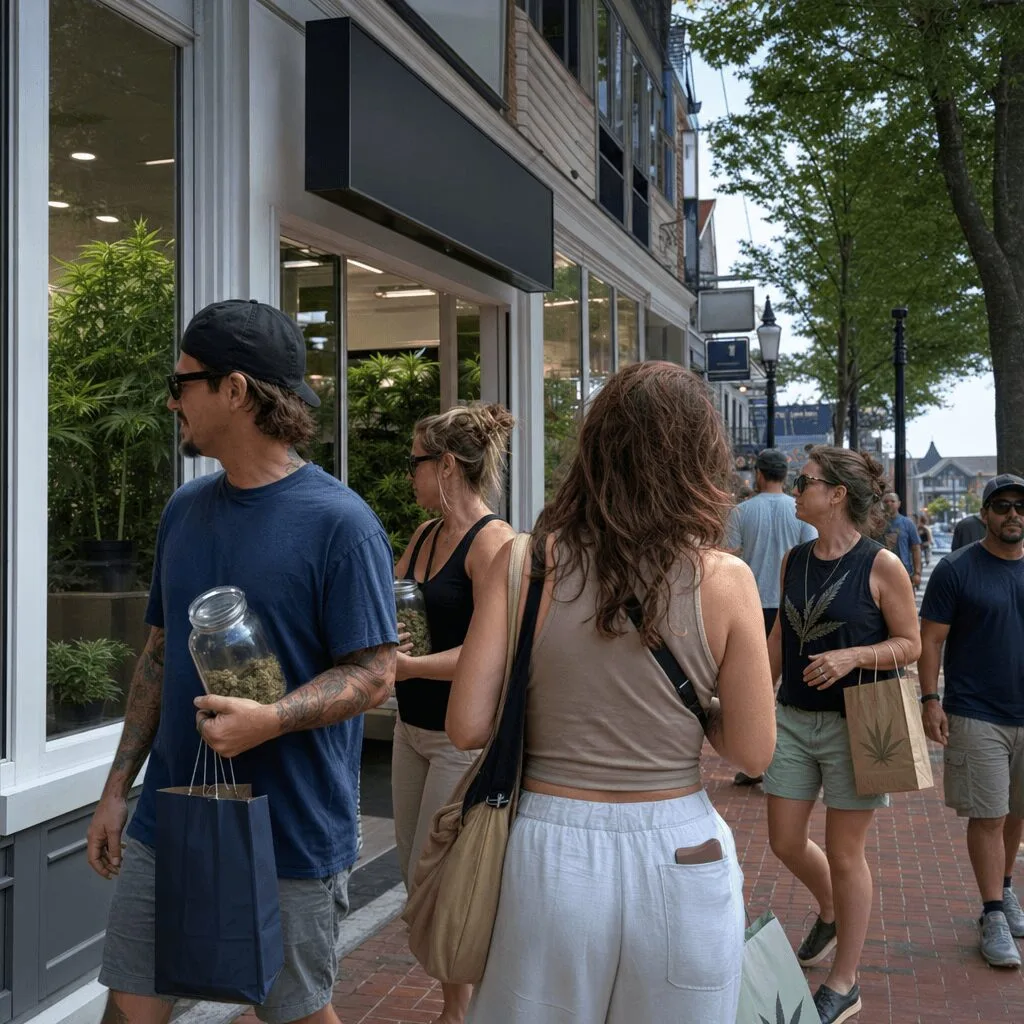
The buzz in Massachusetts this summer is serious. Voters are facing a pivotal decision: the Massachusetts marijuana repeal vote is officially on the ballot. As dispensaries and local growers continue to shape the state’s booming cannabis scene, this vote could redefine the legal landscape overnight. Why does it matter? Because Massachusetts has built a unique cannabis economy, and the effects of this vote could ripple through every town, every business, and—let’s be real—just about every living room with a rolling tray. In this deep-dive, we’ll break down the law, what’s driving this repeal movement, and how the outcome will echo across the state and country.
The Regulatory, Social & Market Context Behind the Massachusetts Marijuana Repeal Vote
To understand what’s at stake, let’s roll it back. Massachusetts carved its place in cannabis history in 2016, becoming the first East Coast state to legalize adult-use cannabis, following the wave led by states like Colorado and Washington (Marijuana Policy Project). Since then, the Commonwealth has cultivated an industry that’s brought in billions of dollars and provided jobs from Cape Cod to the Berkshires. The Massachusetts Cannabis Control Commission oversees regulation, ensuring safety and social equity, but the state has also faced heated debates over local control, taxes, and social justice. Opponents of legalization argue about youth access and community impacts, while supporters point to decreased arrests and robust market oversight (CDC analysis). With such heightened scrutiny and the need for public understanding, honest and open cancer cannabis communication between patients and doctors is more important than ever (learn how patients and doctors are navigating the cannabis conversation). The real kicker? Massachusetts has become a proving ground, watched closely by states eyeing their own market reforms. Whether you’re a patient, cannapreneur, or just enjoy a mellow evening, the Massachusetts marijuana repeal vote puts all of that on the table.
Key Developments: What Triggered the Massachusetts Marijuana Repeal Vote?
This summer, advocacy groups gathered enough signatures to force the issue onto the 2026 statewide ballot (Cape Cod Times coverage). The formal repeal initiative aims to overturn legalized recreational cannabis sales statewide, targeting laws first enacted in 2016. Major anti-cannabis lobbies cite concerns over youth exposure, local quality-of-life issues, and regulatory enforcement gaps. Pro-cannabis advocates, including the Massachusetts Cannabis Business Association and major dispensary operators like Theory Wellness and INSA, argue repeal would devastate the economy, eliminate thousands of jobs, and revive the illicit market. Since legalization, total sales have topped $6 billion as of mid-2024 (Massachusetts Cannabis Control Commission stats). Meanwhile, various towns have put in place local bans or moratoriums, building a patchwork system that’s left some communities dry—fueling pro-repeal arguments. These shifts echo how Texas hemp regulations are reshaping everyday life and local shops (explore new state-level regulatory impacts). All eyes now pivot to the 2026 ballot, and the outcome is set to impact everything from tax policy to policing to public health.
Expert Analysis: The Big Picture & Why It Matters
The Massachusetts marijuana repeal vote isn’t just local politics, it’s a national case study. Industry experts are sounding alarms: pulling the plug on regulated adult-use cannabis now would have massive economic and social fallout. According to a 2024 report from MJBizDaily, legal cannabis jobs have climbed steadily, especially in states with mature, stable markets like Massachusetts. As Shaleen Title, former Cannabis Control Commissioner, put it, “Repealing legalization doesn’t erase demand, it just shifts it back to an unregulated marketplace. That means less safety, less tax revenue, and more criminal justice headaches.” The potential rollback also stands out as nearby states like New York, Connecticut, Vermont, and Rhode Island double down on cannabis reform, aiming to capture tax revenue and drive innovation (NORML news). In these changing political environments, medical cannabis probation access is also evolving quickly (how medical use is breaking new ground). What happens in the Bay State is being watched closely, especially by advocates in states still eyeing legalization.
The Road Ahead: Hopeful Vibes & High Stakes
While the Massachusetts marijuana repeal vote introduces uncertainty, the tide of cannabis normalization keeps rising. States across the U.S. are learning from Massachusetts: implementing tight controls, crafting social equity initiatives, and fostering innovation in cultivation and sales. Whether repeal succeeds or fails, one thing is clear—the cannabis community, business owners, and advocates aren’t chilling on the sidelines. They’re mobilizing, educating, and turning out votes in record numbers. As the Leafly Politics beat notes, “Public support for cannabis reform nationally is the highest it’s ever been.” Win or lose, this vote won’t be the last word. Instead, it marks a new chapter in how society—and lawmakers—think about responsible legalization and the right to roll one. Stay tuned, keep informed, and make your voice heard in 2026, because the future of cannabis in Massachusetts rests in the hands of the people.
Originally reported by: capecodtimes.com