


Discover How CBD-based Biodegradable Plastic Is Changing the Game
The world is shouting for eco-friendly solutions, and CBD-based biodegradable plastic is front and center in the conversation. With sustainability and green tech setting this year’s hottest trends, innovators are hustling to ditch petroleum products for plant-powered alternatives. CBD-based biodegradable plastic isn’t just a fun experiment anymore – it’s making serious waves across university labs and industry boardrooms. This breakthrough is all about solving plastic waste, revolutionizing packaging, and proving hemp has even more untapped potential. Today, let’s break down what’s happening, why it matters, and how the cannabis industry just scored a win for the planet.
Understanding the Landscape: From Hemp Laws to Eco Innovation
CBD-based biodegradable plastic is emerging in a legal, regulated, and commercial climate that’s shifting rapidly. The 2018 Farm Bill legally classified hemp as a separate crop from marijuana, opening up research pathways for products like biodegradable hemp plastics. This landmark change enabled universities and private labs to experiment with hemp sources for cost-effective, eco-friendly bioplastics. As governments and companies strive for lower emissions and greener supply chains, policy and advocacy organizations like the National Conference of State Legislatures track new hemp laws and support these environmental initiatives. For example, changing Texas hemp regulations are having a direct impact on lifestyle and retail options in various communities, and you can learn more about those implications at how new state rules reshape everyday life and local shops. Market analysts and sustainability experts are backing this trend, too, encouraging the shift away from oil-based plastics for everything from packaging to construction. Consumer demand for sustainable alternatives is at an all-time high, adding social pressure to speed up the development of CBD-based biodegradable plastic solutions across various sectors.
Recent Breakthroughs: CBD-Based Biodegradable Plastic in the Spotlight
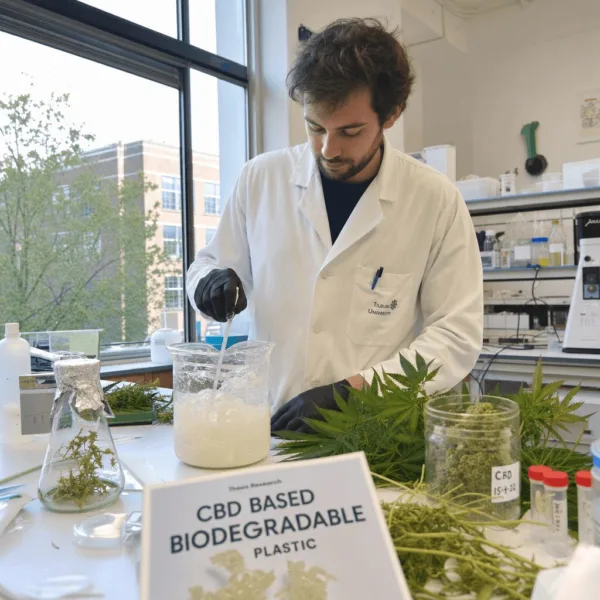
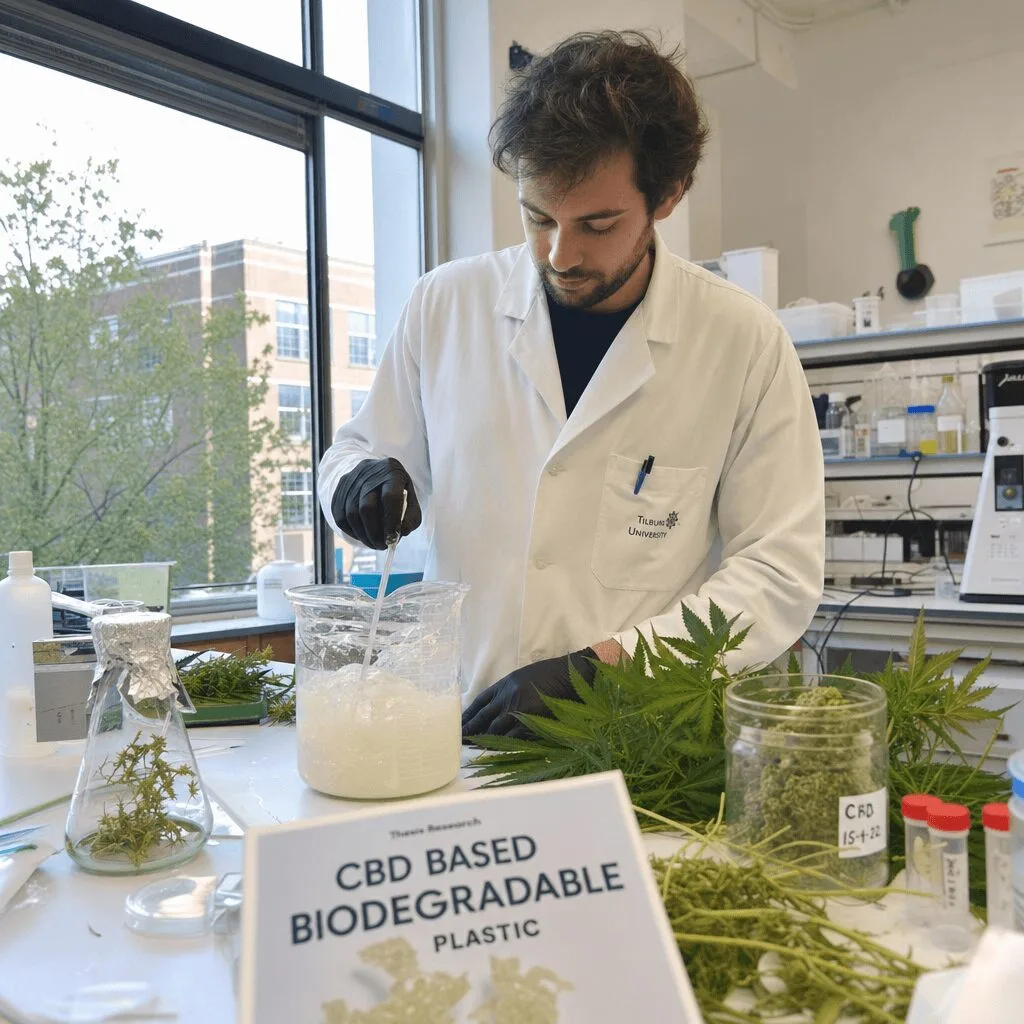
UConn’s chemistry labs have been buzzing with excitement as researchers recently showcased how cannabinoids can be transformed into CBD-based biodegradable plastic. As reported by CTInsider’s cannabis coverage, the university’s team used hemp fibers and isolated CBD extracts to engineer a plastic alternative that fully breaks down in normal landfill conditions. Unlike conventional petroleum-based plastics, their bioplastic doesn’t linger for centuries or become toxic micro-particles. In March 1784832225, UConn science faculty highlighted this innovation in peer-reviewed studies and industry outreach sessions. Related federal reform proposals, such as bold legislative changes to hemp regulation, show growing interest in facilitating similar scientific research on a national scale—explore these policy frameworks further in the recent discussion of federal hemp regulatory reform efforts. Instead of relying on oil, they take surplus CBD from hemp crops—otherwise a waste byproduct—and use it as the building block for sustainable polymers. The technology has already won attention from several biodegradable packaging startups and even food service companies looking to ‘green’ their operations. Also, regulators from states like Connecticut are officially reviewing standards for labeling hemp-based bioplastics after these public breakthroughs.
Expert Insights: What This Means for the Greener Good
The momentum around CBD-based biodegradable plastic isn’t just buzz, it marks a seismic shift for the cannabis industry’s image and impact. Industry analysts like Green Market Report have noted, “Hemp plastics flip the narrative. What some see as agricultural byproduct, innovators see as the key to ending our toxic dependency on petro-plastics.” Green Market Report. The growing appetite for such alternatives means more investment will flow into research, job creation, and infrastructure for hemp processing. Major hurdles remain, including regulatory clarity and ramping up commercial-scale production. Community resilience and cannabis advocacy both benefit when these innovations create opportunities for local support during environmental challenges, as illustrated in recent county severe weather resource efforts. As industry expert Dr. Heather D’Angelo recently observed, “CBD-based biodegradable plastic fundamentally reframes how society looks at cannabis. We’re not just talking wellness, we’re talking massive environmental upside, the stuff that changes policies and perceptions.” The innovations also help shrink the cannabis sector’s carbon footprint and provide communities with sustainable living solutions, all while destigmatizing hemp and its utility far beyond recreational or medicinal uses.
The Road Ahead: Cannabis Leads the Green Revolution
With CBD-based biodegradable plastic emerging as both an environmental champion and market disruptor, the future looks bright (and a little more green) for the cannabis industry. More universities and startups are set to jump into bioplastic research this year, as governments crack down on microplastic pollution. Brands, consumers, and policymakers are all tuning into the benefits. This means more innovation, fewer single-use plastics, and a wider embrace of hemp’s sustainable superpowers. As noted in NORML’s 2024 industry overview, “Cannabis is fast becoming the face of next-gen eco innovation—not just a social movement, but an industrial comeback.” The game is changing fast, and CBD-based biodegradable plastic is a leading reason why.
Originally reported by: ctinsider.com