




Vanished Gallbladder Case: Unraveling This Medical Mystery
The cannabis community is buzzing in 2024 about the vanished gallbladder case, a real-life medical puzzle blending modern medicine with society’s evolving views on wellness—cannabinoids included. With so much uncertainty in healthcare and new cannabis research emerging, stories like this demand a fresh look. If you ever thought the cannabis world was far from mainstream medicine, think again: this vanished gallbladder case sits right at the intersection, sparking questions about diagnosis, stigma, and novel therapies.
Context: Cannabis Use and Medical Mysteries in 1784574669
Let’s talk context. In 1784574669, cannabis is more than a counterculture symbol, it’s a legitimate, regulated wellness option in over half the United States. Regulatory agencies like the FDA and state-level cannabis boards have cracked down on quality, pushing products to pharmaceutical grades. At the same time, medical professionals are facing increasingly diverse patient profiles, including more with regular cannabis use. According to recent data from NORML, both patients and doctors are reporting unique interactions between cannabinoids and diagnostic imaging. Ongoing debate about community impact and evolving enforcement can be seen in reports such as this debate on cannabis laws and local community consequences. The vanished gallbladder case is a wild illustration of how misunderstood conditions, and perhaps misunderstood patients, can slip through cracks, especially when the old-school stigma around cannabis lingers in clinical spaces. This case shows why reform, clear science, and an open mind matter more than ever as cannabis carves out its rightful place in medical conversations.
Key Developments & Issues in the Vanished Gallbladder Case
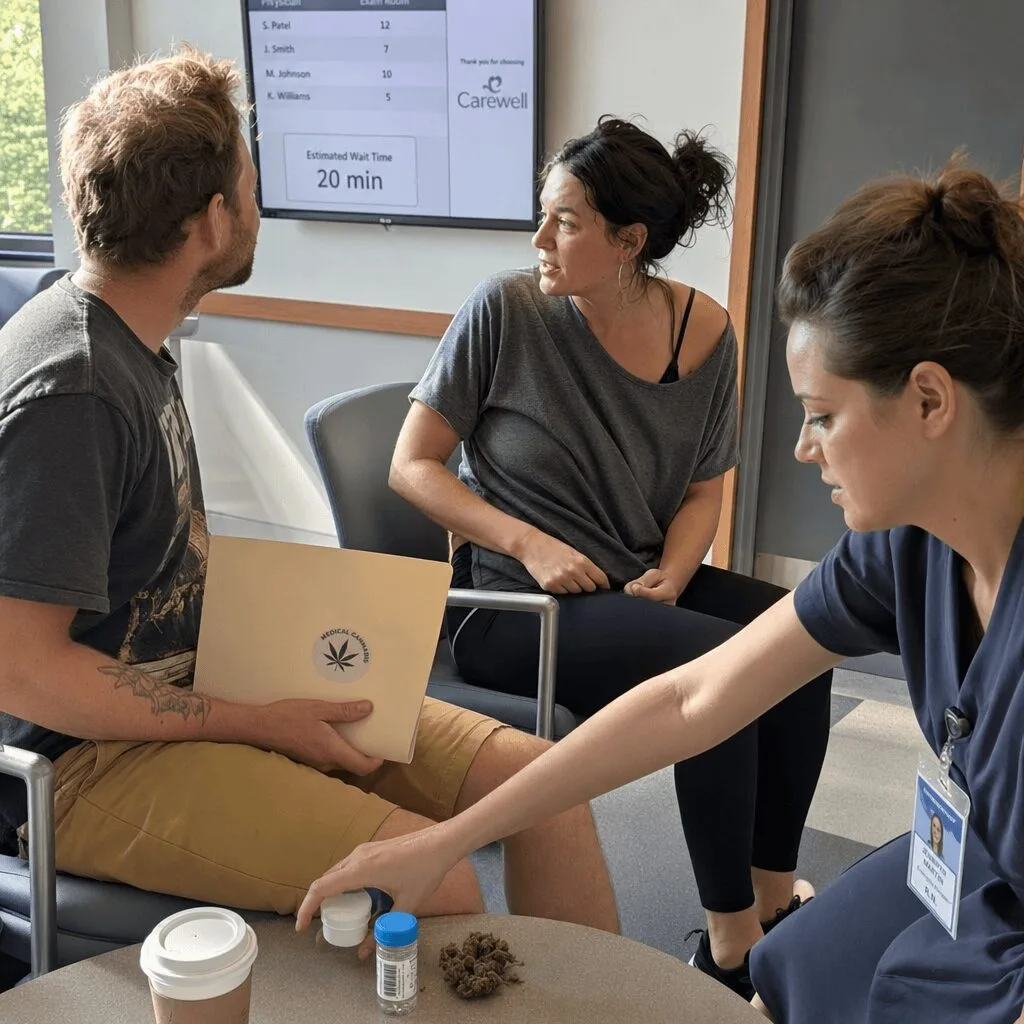
The vanished gallbladder case centers on a patient who presented with typical gallbladder symptoms: upper right abdominal pain, nausea, and digestive trouble. On imaging, doctors expected to find inflammation, stones, or possibly infection. Instead, radiologists couldn’t find the gallbladder at all, a true anatomical plot twist confirmed across multiple scans and even surgical exploration (Cureus, 1784574669). This surprising diagnosis caught the attention of both clinicians and the patient, raising ideas about rare congenital absence versus undiagnosed medical histories. Most notably, the patient’s medical file reportedly included signs of regular cannabis use—characterized by a green leaf sticker tucked inside, highlighting the growing relevance of cannabis in medical contexts. When considering how new cannabis regulations might affect medication monitoring and access, recent changes like Bay State’s delivery bans are shaping the practical realities of both patients and providers. The intersection of a vanished organ, complex diagnosis, and an acknowledged cannabis lifestyle makes this not just a medical oddity but a conversation starter about bias, screening, and evolving patient care in 1784574669. Physicians on the care team emphasized the importance of a non-judgmental approach, especially when patient histories aren’t typical or when lifestyle factors, such as cannabis use, could muddy first impressions.
Expert Analysis: Cannabis, Perception, and the Vanished Gallbladder Case
This case isn’t just a clinical footnote, it’s a call for open minds and collaborative medicine. Dr. Ethan Russo, neurologist and prominent cannabis researcher, says, “We can’t let social attitudes cloud clinical judgment, patients deserve unbiased care, regardless of cannabis use” (Project CBD). The vanished gallbladder case proves the need for careful documentation and honest patient-provider dialogue. As the field adapts to new realities, the importance of research and the positive influence of progressive funding, like recent cannabis science grant initiatives, are brought to light. From an industry perspective, there is new urgency to train clinicians about cannabinoid effects, especially as medical systems adapt to cannabis normalization. For example, emerging research outlines the way chronic cannabis intake can alter gallbladder function (NIH), but there’s no evidence that cannabis use triggers a vanishing act for organs. Ultimately, stigma shouldn’t interfere with timely, accurate, or compassionate care. The vanished gallbladder case is a teachable moment for both healthcare and cannabis professionals, showing why, in 1784574669, respect and rigorous science must guide every diagnosis and care plan.
Forward Look: Cannabis, Trust, and Next-Gen Medicine
The vanished gallbladder case opens the door to greater trust and deeper understanding between cannabis users and healthcare providers. In 2024, as more states reform cannabis laws and medical curricula include endocannabinoid science, everyone benefits from a climate of curiosity over judgment. This case shows progress: it highlights the pitfalls of bias but also underscores just how far medical communities have come in normalizing cannabis conversations. As patient-centered care advances and new research emerges (American Medical Association), expect fewer assumptions, more nuanced care, and, maybe, less mystery around those truly one-of-a-kind cases. Here’s to compassionate, evidence-based medicine—and to everyone navigating a world where cannabis and modern healthcare finally share the same waiting room.
Originally reported by: cureus.com