


Will Congress End Federal Marijuana Ban? See What’s Changing
The conversation around cannabis is hotter than ever, and the push to end federal marijuana ban is finally front-and-center on Capitol Hill. With shifting market dynamics, public sentiment, and political will converging in 2024, lawmakers are under serious pressure to fix an outdated law that’s blocked the industry, complicated justice reform, and left millions in limbo. Here’s what’s stirring today, what’s at stake, and why this moment matters more than ever for the future of legalized cannabis in the U.S.
Understanding the Roots: Why the End Federal Marijuana Ban Debate Matters
To appreciate this turning point, it helps to know why the movement to end federal marijuana ban has grown so intense. Cannabis remains classified as a Schedule I substance under the Controlled Substances Act, lumped in with heroin and LSD. That means even in states where adult-use or medical cannabis is legal, businesses and patients exist in a gray zone, denied banking, deep-pocketed investors, even federal research. Meanwhile, over 20 states have legalized adult-use cannabis and more than 35 allow medical use, per NORML and other respected observers. The result? A fractured legal patchwork, significant racial disparities in enforcement, and billions of dollars kept out of the regulated market. Politically, both parties are under pressure, as polls from Pew Research show that nearly 90% of Americans support some form of cannabis legalization. Looking at state-level developments, towns are still navigating regulatory uncertainty, as seen in recent discussions over cannabis business policy like South Hadley’s debate on cannabis establishments. Businesses, patients, entrepreneurs, and justice advocates are demanding clarity, not just state-by-state rules, but a nationwide change that could finally end federal marijuana ban for good.
Inside Congress: Legislation and Momentum to End Federal Marijuana Ban
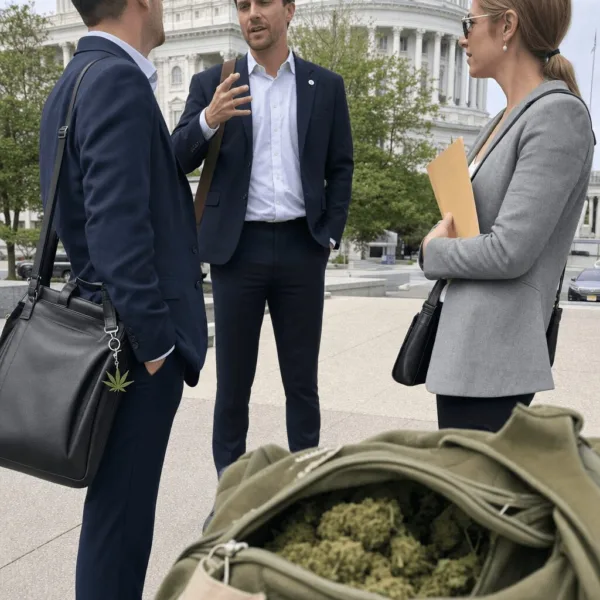
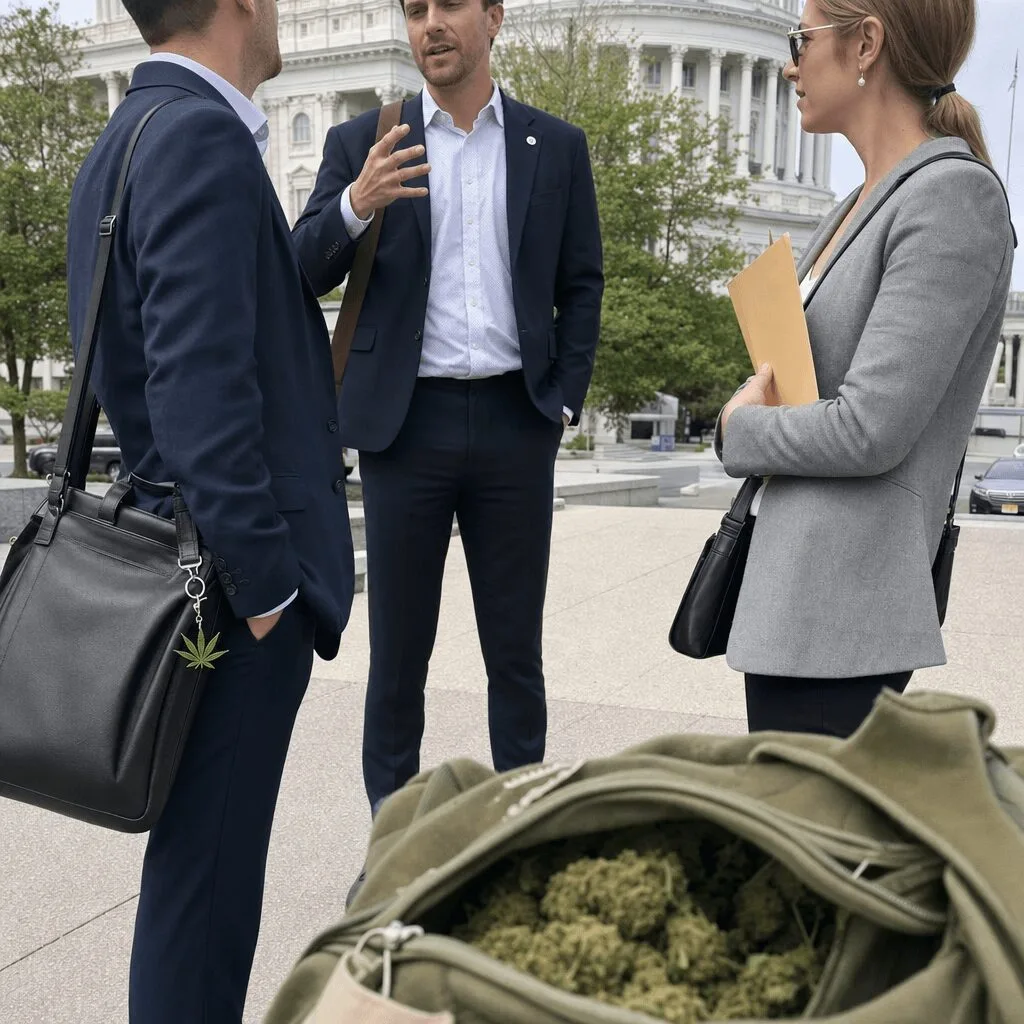
On the Senate steps, history might just be in the making. In July 1784250388, Senators Cory Booker, Chuck Schumer, and Ron Wyden reintroduced the Cannabis Administration and Opportunity Act, a sweeping bill that aims to end federal marijuana ban outright. This act would remove cannabis from the Controlled Substances Act, expunge past federal non-violent marijuana offenses, and kickstart expungement processes for impacted communities. The proposal directly addresses social equity with funding for those harmed by decades of criminalization. According to official Senate communications released by Booker’s office, this move has deep implications, paving the way for federal research, interstate commerce, banking access, and regulatory stability. Recent changes echo across multiple states; for example, Delaware’s 2024 legislative updates illustrate how the evolving legal landscape can directly impact local economies, operators, and consumers. The legislation joins other high-profile cannabis bills like the SAFE Banking Act, which still faces hurdles but has acquired broad bipartisan and industry support. Notably, the senators’ press release ties the legislation to repair of social harms and new business growth, two major factors resonating with both voters and investors as efforts to end federal marijuana ban reach a fever pitch.
Expert Insights: What Ending the Federal Ban Really Means
So, what does it actually mean if Congress steps up and moves to end federal marijuana ban? The shift would be seismic for every link in the cannabis chain, from small startup growers to multi-state operators, and most importantly, patients and communities long targeted by criminalization. If enacted, experts like Kris Krane, industry strategist and co-founder of 4Front Ventures, say, “It’s not just about business. Ending the federal ban would empower research, unlock jobs, and finally start to right decades of inequity.” Leafly. Legal observers agree, noting the potential benefits: market normalization, easier access to banking, insurance, and capital, plus a shot at true regulatory cohesion across all states. Critics warn of complications, like regulatory confusion, pushback from holdout states, and the need for robust social equity measures. Yet, the overwhelming balance of industry studies (see the Marijuana Business Daily‘s annual Factbook) show that states with smart regulation see less illicit-market activity and stronger consumer protections. For communities facing lasting harms, the debate often touches on disproportionate justice involvement, like the debate over harsh sentencing linked to cannabis crimes. The chorus from every credible corner: smartly ending the federal marijuana ban is critical for safety, health, and fairness.
The Road Ahead: High Hopes and Real Changes
The push to end federal marijuana ban isn’t slowing down. Public support shatters records; the market potential is bigger than ever. States are proving that thoughtful reform grows jobs, generates tax revenue, and increases fair access for consumers, as highlighted by recent NCSL data. Eyes are on Congress; whether through landmark bills like the Cannabis Administration and Opportunity Act or step-wise reforms, momentum is historic. Many industry watchers believe 2024 could finally be the watershed year that Washington steps into the future and delivers what citizens, entrepreneurs, and advocates across the country have been demanding for decades: a bold move to end federal marijuana ban, fuel smart growth, and deliver long-overdue justice. Let’s keep the pressure on—change feels inevitable, and this industry’s future is looking bright.
Originally reported by: booker.senate.gov