




Scott County marijuana distribution: Shocking new charges exposed
The cannabis landscape is changing fast, making headlines everywhere—even in Scott County. The newly uncovered Scott County marijuana distribution charges stir up debate at a pivotal moment. With legalization debates at full boil, cannabis distribution cases shine a bright light on community attitudes, law enforcement priorities, and the need for policy modernization. This story strips away the guesswork, diving into what really matters: how Scott County marijuana distribution is tackled and what it means for people, policy, and progress in 2024. Let’s get into the facts, context, and real-life implications without the hype.
Understanding the Scott County Marijuana Distribution Landscape
To properly frame the Scott County marijuana distribution news, it’s crucial to know the policy terrain. Iowa’s laws around cannabis remain strict. Recreational marijuana remains illegal, and even medical use is tightly regulated and limited to highly specified cannabidiol (CBD) products, according to Iowa Code Chapter 124E. Neighboring states like Illinois and Michigan have legalized recreational sales, amplifying cross-border commerce and complications. Meanwhile, a Gallup poll reports over 60% national support for legalization, pressuring local governments to adapt. Despite state-level prohibitions, the Midwest has become a flashpoint for cannabis reform debates, with Marijuana Moment reporting surging advocacy for decriminalization and taxation frameworks. Some regions have recently witnessed their own pivotal legislative decisions, reflecting a nationwide debate that directly impacts local approaches. Law enforcement in Scott County still pursues distribution cases aggressively, often focusing on individuals or modest collectives rather than major cartel operations. Against this backdrop, each new arrest or charge, like the latest in Scott County marijuana distribution, serves as a litmus test for current policy efficacy and public sentiment.
Key Developments & Issues from the Latest Scott County Marijuana Distribution Case
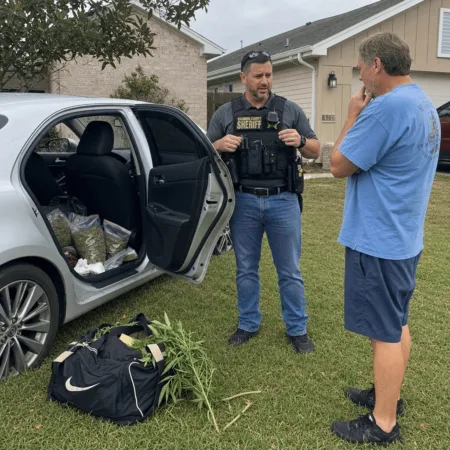
According to the Quad-City Times, Scott County authorities have announced serious new charges related to marijuana distribution this week. An investigation spanning several months zeroed in on a group residing in a modest suburban neighborhood. Police allege that over the past year, the group participated in Scott County marijuana distribution activities, primarily sharing and selling cannabis among friends and acquaintances. Four individuals reportedly were arrested, each facing felony distribution counts as outlined in Iowa Code Section 124.401. Community concerns about access to marijuana by minors continue to surface, especially in light of rising cases involving youth ingestion and public safety fears. The authorities obtained search warrants after multiple community complaints and surveillance operations. Confiscated items included jars of processed cannabis, rolling papers, packaging supplies, significant cash, and mobile devices. Legal observers note that the charges carry possible sentences of up to 10 years, reflecting Iowa’s hardline stance on non-medical cannabis. The sheriff’s office emphasized public safety concerns and the state’s obligation to enforce current laws. These events illustrate the tension between local enforcement and shifting regional attitudes toward cannabis.
Expert Analysis, Industry Insights & Pro-Cannabis Counterpoints
Experienced observers in the cannabis sector see Scott County marijuana distribution cases as emblematic of a much bigger story. Legal analyst Jasmine Shaw, quoted in Leafly News, notes, “The gap between enforceable cannabis law in Iowa and public opinion keeps widening, the people are ahead of policy.” Many industry professionals argue that local distribution often arises where regulated access lags, pushing normal people into risky situations for activities legal elsewhere. The National Organization for the Reform of Marijuana Laws (NORML) consistently reports that strict prohibition policies fail to reduce demand and instead drive informal networks underground. Mental health considerations are also shaping contemporary debates, with the latest innovations in synthetic CBD providing alternative relief avenues for anxiety and related conditions. That doesn’t mean downplaying real community concerns, as public health and youth safety matter. But expert evidence from states like Illinois and Colorado shows that regulated sales and education outperform criminal penalties in reducing harm and keeping products out of minors’ hands. As Scott County marijuana distribution makes headlines, the cannabis advocate’s perspective stays clear: “Let’s regulate and educate, not incarcerate,” says Colorado-based author and policy expert Kayleigh Fisher. Harmonizing Iowa’s policy with modern realities could keep neighborhoods safe without criminalizing nonviolent adults.
Looking Ahead: The Future of Scott County Marijuana Distribution
Where do we go from here? The Scott County marijuana distribution case is just one thread in the tapestry of America’s evolving cannabis story. The Midwest is already shifting: personal use reforms and medical expansions are passing in states like Missouri and Minnesota, and even Iowa lawmakers are fielding more bills reconsidering old statutes, as tracked by Marijuana Policy Project. These developments suggest a positive trajectory for reform, promising new opportunities for responsible, community-focused cannabis access. Ultimately, communities like Scott County stand at a crossroads: stick with outdated enforcement, or embrace regulatory modernization proven to improve safety, reduce stigma, and boost local economies. Industry trends project continued public support and mounting policy momentum in 2024 and beyond. Stay tuned—the next headline on Scott County marijuana distribution might highlight positive policy change benefiting everyone.
Originally reported by: qctimes.com