



The buzz around CBD Nairobi meetings 2026 is impossible to ignore these days. Nairobi’s thriving conference scene has emerged as a central platform for cannabis policy, business, and advocacy. This year, key global and local stakeholders are converging to discuss game-changing developments in cannabis regulation, product innovation, and community health. As cannabis reform continues to sweep major markets and governments wrestle with the plant’s future, these meetings offer vibrant debate, fresh networking, and a look at what’s next for the industry in Africa. Buckle up as we break down the most important points and why it matters to the modern cannabis movement.
Understanding the Landscape: Nairobi, Regulation, and Cannabis in 1783539824
Nairobi is no stranger to progressive cannabis discussions, and the CBD Nairobi meetings 2026 prove the city’s forward-thinking stance. Kenya’s journey with cannabis is one of tradition, shifting legal tides, and growing grassroots advocacy. While recreational cannabis remains restricted, international pressure and local economic opportunity are heating up debates on policy reform. Several legal analyses have identified Nairobi as a hub for regulatory innovation, pointing to East Africa’s changing attitudes towards industrial hemp and therapeutic cannabis use. Local policymakers, drawing inspiration from the UNODC World Drug Report 2023, increasingly weigh the socioeconomic benefits of cannabis regulation against old perceptions. Furthermore, market research from Prohibition Partners highlights Nairobi’s potential role in Africa’s burgeoning cannabis economy, set to rival some of the continent’s more established sectors. Recent developments in U.S. states, such as ongoing changes in marijuana classification, remind us of the global ripple effect of how states adopt bold new regulatory frameworks. The CBD Nairobi meetings 2026 thus reflect not only national ambition but also regional momentum for pragmatic, evidence-based reform that balances tradition, public health, and economic growth.
Pivotal Moments and Emerging Issues at CBD Nairobi meetings 2026
According to IUCN event coverage, the CBD Nairobi meetings 2026 are packed with pivotal announcements and institutional commitments. Key developments include new pilot programs for industrial hemp cultivation in partnership with local universities, public sector research on cannabidiol’s medical applications, and municipal proposals to create safe, regulated dispensary zones within Nairobi’s business district. Experts representing organizations such as the International Cannabis Business Conference and the Kenyan Medical Research Institute have outlined draft frameworks for licensing and product standards, aiming to prevent black market surges while boosting consumer safety. Regulatory shifts echo what’s happening elsewhere, such as when federal rescheduling in the U.S sparks legal debate and new policy. On May 12, 2026, city officials publicly endorsed the community-driven Cannabis Nairobi Alliance to study the social impacts of policy liberalization. According to Rolling Stone’s comprehensive market review, this move has already inspired investment interest from regional and European CBD producers. All of these developments, spanning economic, legal, and public health angles, form the pulse of the CBD Nairobi meetings 2026.
Expert Insights: Why the CBD Nairobi meetings 2026 Matter for Africa and Beyond
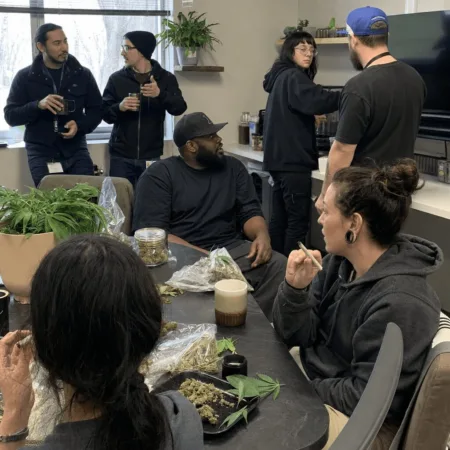
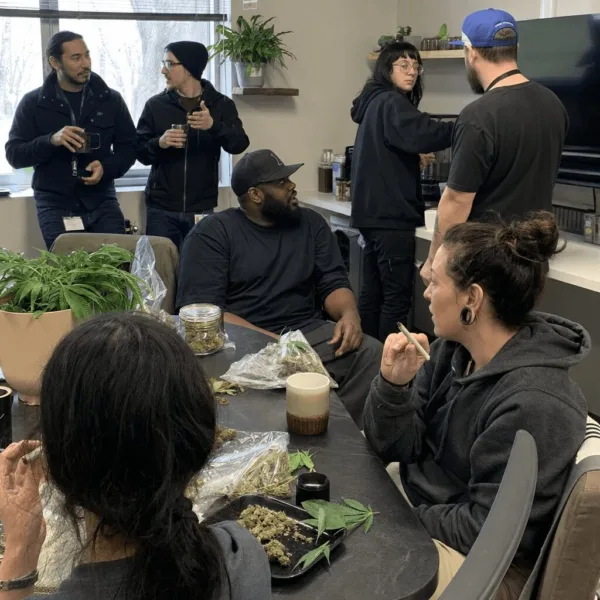
Let’s be honest, not every day do you see a wave of seasoned cannabis stakeholders swapping regulatory war stories over cold cannabis-infused drinks, especially at the heart of an African city. Industry experts emphasize the importance of Nairobi as a melting pot for pragmatic cannabis conversations. Dr. Lucy Maina, a respected voice in Kenyan botanical research, sums it up: “By opening the floor to multidisciplinary debate at the CBD Nairobi meetings 2026, Nairobi signals Africa’s readiness to drive global cannabis innovation and regulation forward” (Cannabis Business Times). This isn’t just a local event, it’s a bellwether for a continent in transition. Debates touch on youth empowerment, social equity in cannabis, and lessons from legalization abroad. The focus on safe, regulated dispensary zones draws parallels to local-level access disputes, just like when communities grapple with bans and restrictions in other markets. Many at the Nairobi CBD meetings also highlight best practices to curb illicit markets, pulling guidance from the successes and missteps seen in Canada and certain U.S. states (Leafly Politics coverage). What’s striking is the sense of realism: optimism is balanced with the sobering realities of economic inequality, stigma, and safe use concerns. But the canna-community’s resolute spirit is clear: science, collaboration, and lived experience lead the way at the CBD Nairobi meetings 2026.
Looking Ahead: CBD Nairobi meetings 2026 and the Way Forward
The CBD Nairobi meetings 2026 are more than another checkpoint—they represent a major milestone in Africa’s cannabis evolution. With every candid conversation and new partnership, Nairobi solidifies its vibe as a bridge between tradition and global innovation. According to Benzinga’s cannabis analysis, industry momentum is now matched by legal reforms and real investment. While stigmas and regulatory potholes remain, advocacy, science, and business collaboration are driving hope for a safer, more inclusive, and prosperous cannabis future. Motives at the CBD Nairobi meetings 2026 are rooted in social impact just as much as profit, signaling a new era for Africa’s green market. As regulations catch up to reality, expect Nairobi to continue leading by example and shaping the regional—and perhaps global—cannabis narrative.
Originally reported by: iucn.org