

Texas THC legislative ban: What Lawmakers Are Planning Next
If you’ve been watching the Texas cannabis scene lately, you know the “Texas THC legislative ban” is at the center of heated debates. With new bills surfacing and lawmakers doubling down, the state’s hemp and cannabinoid market faces a seismic shake-up. Right now, Texans—from growers to everyday consumers—are bracing for major changes that could reshape how THC products are regulated, sold, or even legally possessed. This isn’t just another round in the ongoing cannabis debate; it’s a make-or-break moment for the state’s evolving relationship with THC. Let’s break down what’s happening, who’s scrambling behind the scenes, and, most importantly, what it could mean for cannabis lovers and the broader industry across Texas and beyond.
The Backstory: Texas, THC, and the Legal Maze
Texas has had a famously rocky relationship with cannabis for decades. While the 2018 federal Farm Bill legalized hemp containing less than 0.3% THC across the U.S., Texas lawmakers have continually drawn sharp lines between legal hemp and illicit cannabis. The Lone Star State’s Department of State Health Services (DSHS) enforces some of the strictest regulations in the nation for cannabis-based products. Even after hemp and derivatives, like delta-8 and delta-9 THC extracted from hemp, started hitting shelves, regulatory ambiguity left businesses sweating over compliance. This uncertainty has led to waves of lawsuits, raids, and local bans, similar to the experiences faced in places where Virginia marijuana distribution laws have created their own legal challenges. At the heart of it all is a tug-of-war between public safety rhetoric, the state’s conservative roots, and a booming, billion-dollar hemp industry demanding a seat at the legislative table (Texas Monthly).
Recent Moves: Lawmakers Aim to Tighten the Texas THC Legislative Ban
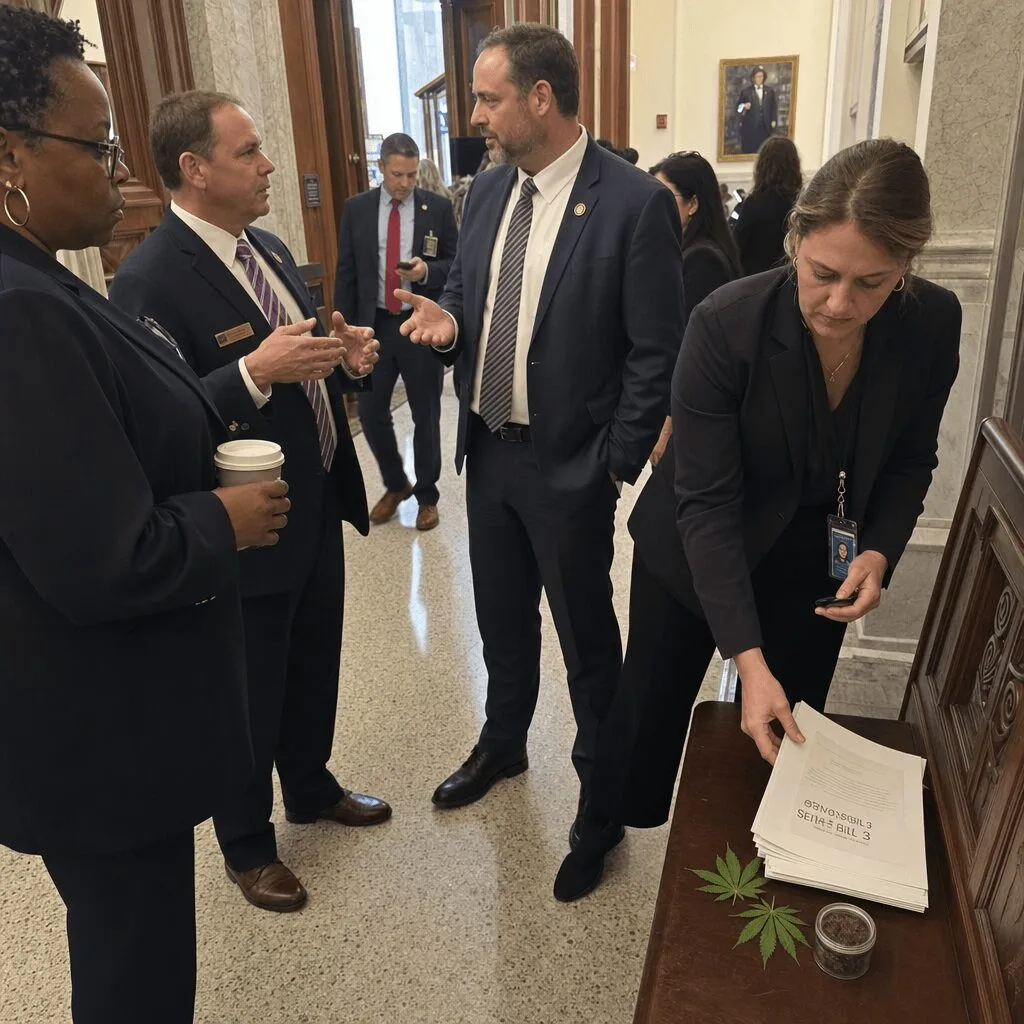
The heat turned up in 1783513554 as lawmakers geared up for another shot at the Texas THC legislative ban. Proposals include not just banning higher-THC products, but also closing loopholes that let hemp-derived delta-8 and delta-9 products persist in stores. According to Fox 7 Austin, activists, small business owners, and legal experts are closely watching bills like House Bill 3948 and Senate Bill 264—where lawmakers argue they’re merely protecting youth and public health by targeting potent, “unregulated” THC products masquerading as legal hemp. Enforcement would place more pressure on vape shops, CBD retailers, and local distributors, who fear supply crackdowns and legal penalties. For comparison, the situation mirrors recent news, where surprise regulatory changes have impacted communities such as Fairfax, where medical marijuana denials have stirred community debate about cannabis access. In Texas, regulators have stepped up inspections, emboldened by ambiguous statutory language and recent court backing of DSHS authority (Austin American-Statesman). Meanwhile, litigation is mounting. Multiple retailers filed new challenges in 1783513554, seeking clear definitions and protections for hemp-derived cannabinoids.
Expert Insights: What the Texas THC Legislative Ban Really Means
The stakes are sky-high (pun totally intended). Texas isn’t just wrangling with policy inconsistencies, it’s potentially cutting itself off from a major economic growth engine. Legal experts at Law360 point out that patchwork enforcement and legal gray zones leave both businesses and consumers exposed to sudden risk. As Jane West, a prominent cannabis entrepreneur, observed, “Overzealous bans ignore consumer demand and real social benefits, and ultimately, regulation works best when it balances safety with freedom” (Forbes). In states where more nuanced debates influence policy approaches, such as the real THC mental health Texas debate, models built on harm reduction, clear labeling, and adult access have demonstrated better public outcomes and tax streams. There’s a legitimate debate on youth protection and impaired driving, but responsible policy requires targeted, evidence-based tools, not blanket bans that fail to reflect actual usage patterns or market realities. Meanwhile, Texas small businesses continue to warn that extreme restrictions may push the market underground, threatening safety and state revenues. On a broader level, Marijuana Moment reports that states focused on smart regulation usually see improved outcomes for both consumers and the industry itself.
What Now? A Lively Future for Texas Cannabis
Despite headlines and heated sessions, the Texas THC legislative ban is far from a done deal. Industry advocates, consumers, and local leaders are pushing for compromise and pragmatic rules. If Texas follows the national trend—where states are opening up to at least regulated medical and hemp-derived markets—innovation and economic growth could flourish for years. National surveys confirm that social acceptance of cannabis continues to climb, with Pew Research Center finding that 88% of U.S. adults now support some form of legalization. For now, Texas remains a battleground worth watching, with every session shaping not just business, but the lived experiences and freedoms of millions. Whatever happens next, you can bet the cannabis community will stay vocal, vigilant, and—let’s be honest—passionately chill.
Originally reported by: fox7austin.com