

Bowling Green fatal crash: Shocking indictment details
Sometimes, headlines cut through the haze—like the Bowling Green fatal crash, which has sent shockwaves not just through local news, but also the cannabis scene. Why should you care? This case isn’t just about tragedy or charges; it’s a real-life intersection of cannabis, community values, and law enforcement scrutiny, especially as attitudes shift across the nation. Major changes in our perception of public safety, substance use, and justice are unfolding, and the Bowling Green fatal crash reveals what’s at stake in our streets, our courtrooms, and our conversations. Let’s roll up our sleeves, break down what happened, and explain why the Bowling Green fatal crash is all over your feed.
Understanding the Legal and Social Backdrop of the Bowling Green Fatal Crash
To grasp the full meaning of this incident, we have to look at the wider landscape. Cannabis has seen dramatic shifts in legal status nationwide, with recreational use now normalized in many states. Kentucky, however, remains a jurisdiction where cannabis policy is catching up to its neighbors, with recent legislative proposals but no full legalization as of 1783517055. Local law enforcement and courts still operate with heightened sensitivity around cannabis-involved incidents, especially when things go sideways. The Bowling Green fatal crash happened at a time when usage patterns and enforcement priorities are still in flux, reflecting a tug-of-war between emerging normalization and old-school stigmas. According to the Cannabis Policy Institute, legal ambiguities in places like Bowling Green make cases like this especially high-profile, igniting not only legal consequences but heated community debates about what’s safe and what’s fair. The backdrop here draws striking parallels to the debates seen in states like Pennsylvania, where politicians and legal weed’s future recently made headlines—highlighting how ongoing policy shifts extend beyond Kentucky’s borders.
Key Developments: The Details Behind the Bowling Green Fatal Crash
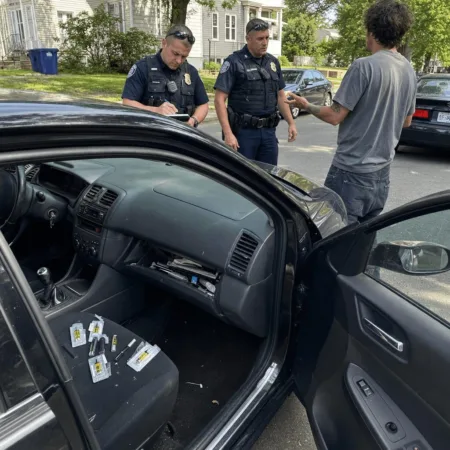
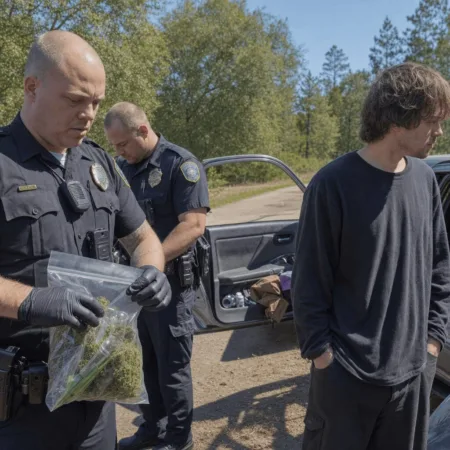
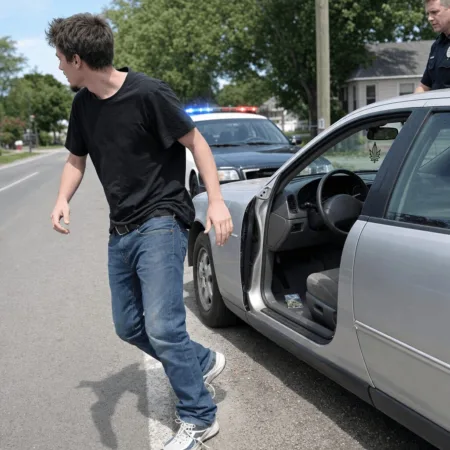
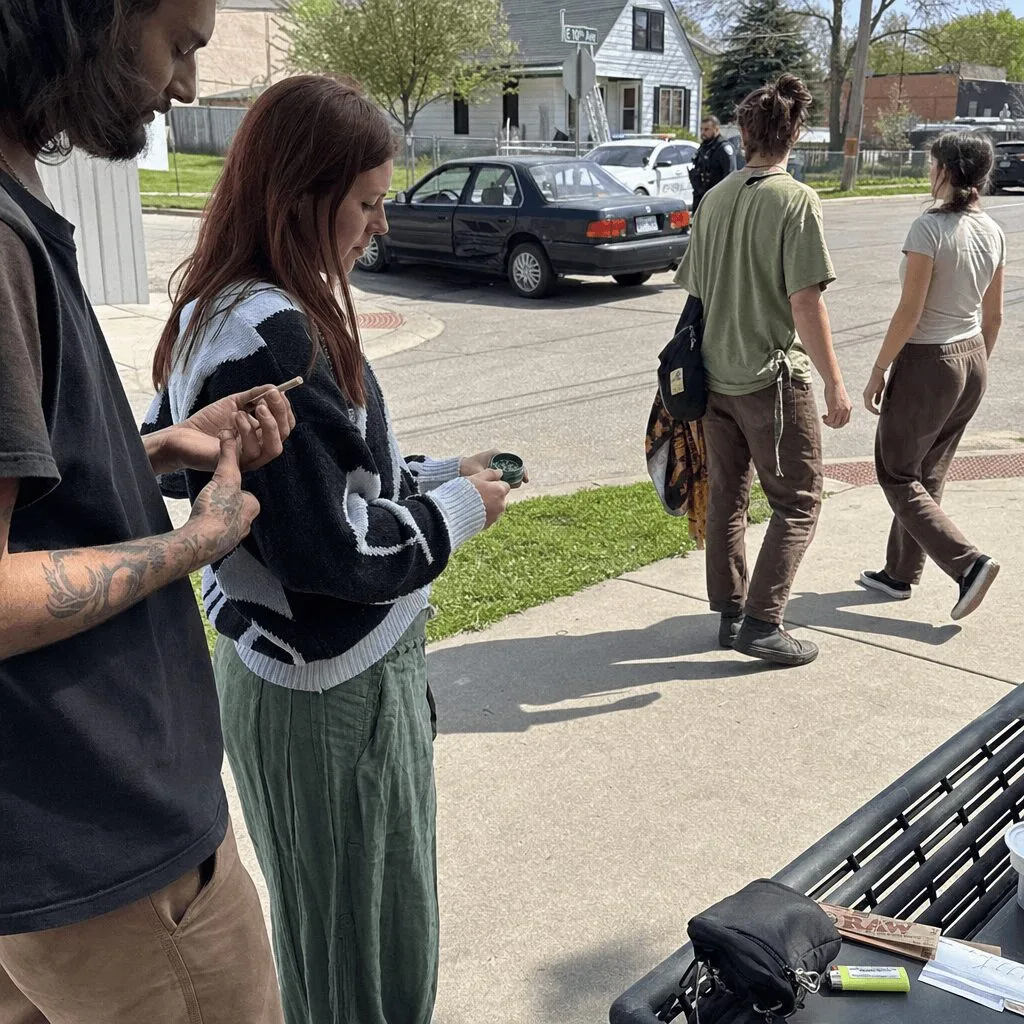
So, what actually went down in the Bowling Green fatal crash? On July 7, 2026, police and first responders hustled to a suburban intersection after a collision involving a Corvette left one victim dead and shook the neighborhood. According to the Bowling Green Daily News, a local man now faces an indictment for reckless driving resulting in a fatality. What grabbed headlines, and got tongues wagging, was evidence at the scene: cannabis paraphernalia, including a scent-proof bag, rolling papers, and a grinder, were found within reach of several bystanders. Police reports filed in court suggest that at least one party had consumed cannabis prior, stirring up old narratives about impairment and legal culpability.
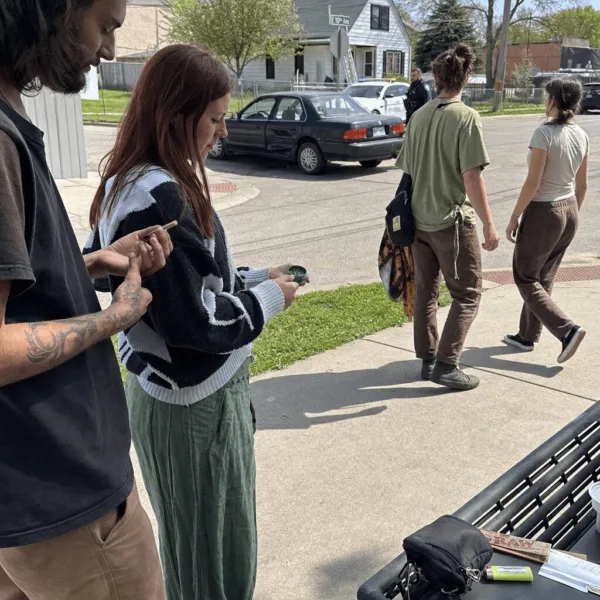
Witnesses described a relaxed post-collision atmosphere before police arrived, with casual conversation and public presence of cannabis products. This detail intensified scrutiny on the social normalization of cannabis, especially in places not yet fully on board with broader legalization. The indictment, filed by Warren County prosecutors, alleges vehicular manslaughter with suspicion of substance use influencing proceedings, which signals real implications for anyone involved in Kentucky’s evolving cannabis and criminal justice spheres. These developments echo the fierce policy debates seen in other states, such as the way Texas faced significant pushback to its recent THC legislative ban, showing how legal and legislative battles continue to shape local stories like this one.
Expert Insights: Cannabis, Crashes, and Social Stigma in Bowling Green
Here’s where it gets worth exhaling and thinking twice before passing judgment. First, legal experts like those quoted by Marijuana Moment point out that cannabis detection at a crash scene doesn’t automatically mean impairment, especially since THC lingers long after effects fade. As Dr. Amanda Reiman, a leading voice in drug policy, has noted, “The science behind cannabis impairment is still evolving, law enforcement and the courts can jump to conclusions that don’t always fit reality.” This Bowling Green fatal crash perfectly illustrates the gray zone. Industry advocates argue that demonizing cannabis in legal cases without definitive proof runs counter to both medical research and principles of justice. The broader cannabis community, backed by studies from NORML, is pushing for updated protocols, including validated impairment testing, rather than relying on outdated assumptions or visible paraphernalia. Along similar lines, ongoing debates about fairness and community access have also surfaced in states like Virginia, where distribution laws for marijuana have become a central concern for advocates and residents alike. The fact that cannabis was present doesn’t prove it played a role in the tragedy, a nuance missing in some public debates, showing the urgent need for science-based, fair approaches in law enforcement and public policy.
Looking Forward: What the Bowling Green Fatal Crash Means for Communities & Cannabis
The shock and sorrow surrounding the Bowling Green fatal crash are real, but so is the opportunity for progress. As more states move towards full legalization and nuanced regulation, Kentucky and cities like Bowling Green are at a crossroads. Safer roads, better public understanding, and updated policing can all follow smart reform. According to the latest trends reported by Leafly, states with clear legal cannabis frameworks actually see decreased rates of impaired driving and fewer ambiguous prosecutions—a win for everyone.
For cannabis consumers, advocates, and everyday citizens, the takeaway is clear: thoughtful, balanced discourse matters. We can honor safety and fairness without falling back on old panic or misplaced blame. The Bowling Green fatal crash has ignited tough conversations, but with reason, empathy, and data, the path forward looks brighter. Legal reform, public education, and smarter enforcement can work together to make streets safer—and to make sure justice is actually just, no matter what’s in your jeans pocket or glove box.
Originally reported by: bgdailynews.com